

Bella Baldwin
May 9, 2022Why the Best Time to Paint Your House Exterior is in the Spring
Updating your paint can be a smart investment, just make sure you take into account weather, humidity, curb appeal, and more! Find out what matters!
A fresh coat of paint can completely change or update the exterior of your home and enhance its curb appeal. Painting your home exterior is best done at certain times of the year, with spring being the optimal time for several reasons. Mid to late spring offers ideal exterior painting conditions because there is less rain and fluctuations in temperatures between day and night. Where you live may determine the best time during the spring to paint the outside of your home.
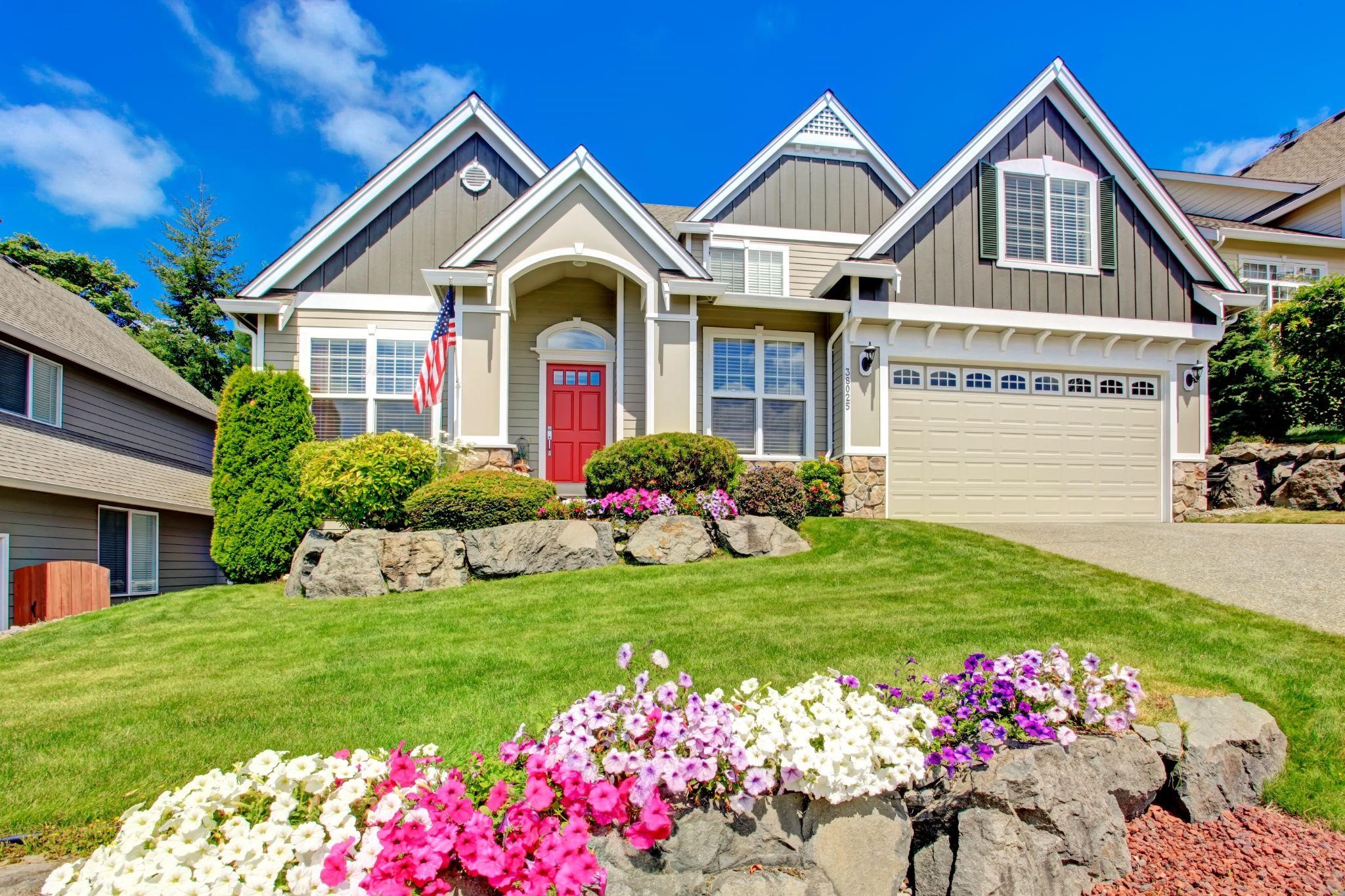
Weather Affects Exterior Paint Projects
Spring is optimal for painting the outside of a house because of this season’s moderate weather. The weather conditions and temperature at the time of application affect how paint dries. Ideally, warm, dry days are the best for applying paint because it is more difficult for paint to properly cure when it is too cold during winter months. During the summer, heat can cause problems with how paint dries. The extreme heat of summer months can cause paint to dry too quickly, which could leave a finish that is not smooth with brush marks and paint clumps.
Temperature fluctuations from day to night can also affect the curing process, which could result in a bumpy surface with cracking and peeling. Tip: Check the paint can to see the recommended minimum temperature that the paint can be applied, and give a buffer zone when temperatures are close to the minimum.
Drying time is another factor that is affected by the weather. For example, an exterior wall that was rained on the night before may take four hours to dry in sunlight with temperatures above 70 degrees. However, it is recommended to wait a full day for the surface to dry. Other flat surfaces that might take longer to dry are:
? Sections that do not get the sun
? Trim and molding
? Cracks in the siding
? Nail holes
Therefore, it is always important to check the weather forecast before starting an exterior paint project.

Humidity Level is Important Too
Moisture is always in the air, but painting in levels of high humidity can ruin an exterior paint project. Homeowners who live in a damp client must be careful since a moist surface is the main cause of a failed paint project. Once the humidity level reaches 70 percent, paint begins to take longer to dry. At 85 percent humidity level or above, the paint is gummy and may not correctly solidify.
The type of building material also plays into how the humidity will influence it. For example, wood siding needs several sunny days for the paint to properly dry. With weather conditions such as rain, dew, mist, or other high-moisture conditions, the main issue is not how damp the air is, but how the dampness translates to the surface that is going to be painted. The way in which humidity affects a painting surface is whether the water in the paint dries faster than the solvents in the paint. The water in the paint needs to evaporate faster than the solvents. If water interferes with how the solvents dry then the paint does not form a hard surface.
The optimal relative humidity level for exterior painting is between 40 and 50 percent. A certain amount of humidity helps the drying rate as a surface painted in hot, direct sunlight will dry so fast that brush marks will remain, and paint flashing will occur. Paint that dries at a slower rate will level out and remain consistent.
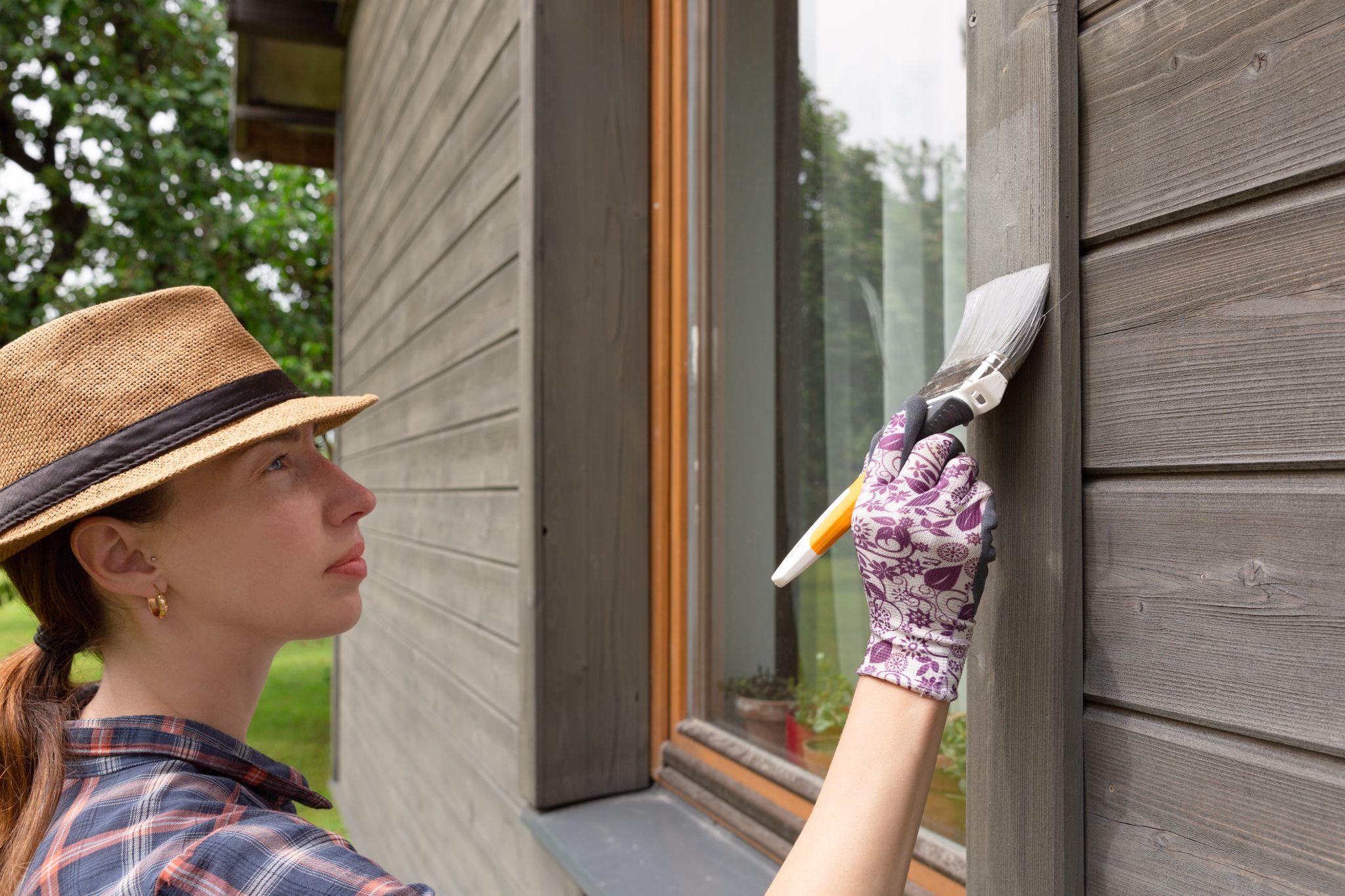
In very humid conditions, such as 85 percent, where the water cannot evaporate faster than the solvents, the paint may not cure or level correctly. The paint may stop coalescing and allow moisture to enter the painted surface. This prevents the evaporation process which could lead to surface staining and poor adhesion. When that happens, the only way to correct the paint is to strip the wet paint and start over. TIP: If you are painting uncoated, raw wood, keep in mind that it is extremely porous and easily retains moisture even if it looks dry. Make sure the day is warm, dry and sunny when painting this type of surface.

Boost Your Home’s Curb Appeal
Adding a coat of exterior paint is a cost-effective way to spruce up the home, which may be preferred if you want a new look without having to spend a lot of money. If you are considering selling your home, spring is the most active time of year for selling houses. A fresh coat of exterior paint will make the home look clean and inviting to potential buyers. A great exterior paint job gives a great first impression.
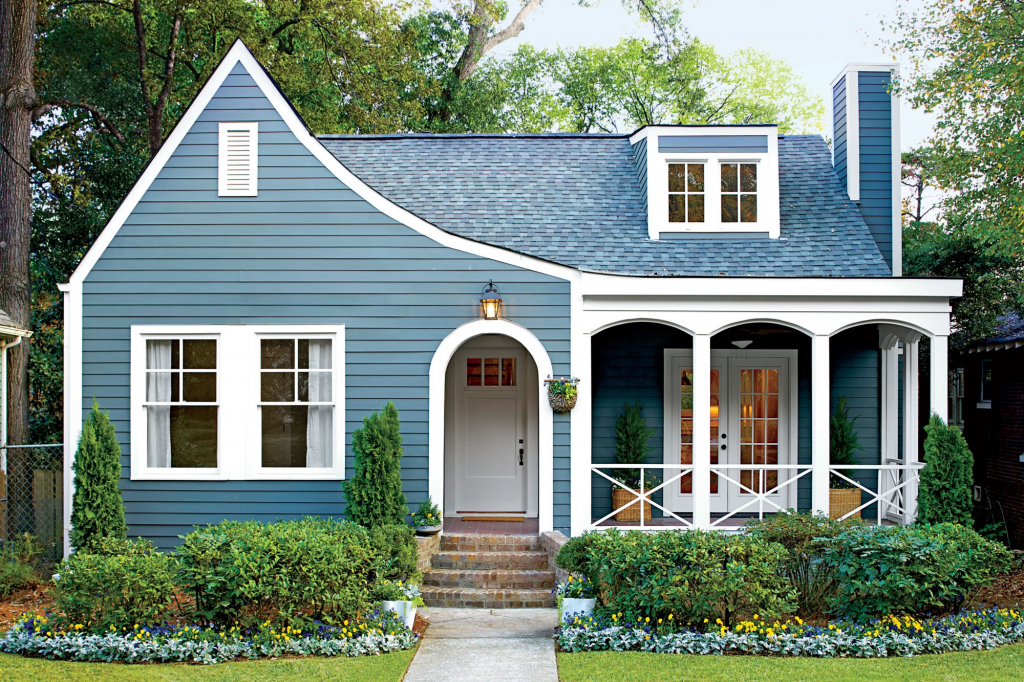
A home with great curb appeal not only boosts the value of your house, but also the neighborhood. A home with paint that is faded or chipped or is very outdated can decrease the market value of the house. An update to the home’s exterior paint will increase its curb appeal as well as its value. In fact it is estimated that the ROI on an exterior paint job is 51%.
And don’t forget about painting the front door, which is what people see as soon as they pull up to your house. That too can bring a ROI. A black front door correlates to an extra $6,000 in a home’s sale price as compared to similar homes. But even if you are not planning on selling your home, freshening up the paint will make the house look clean and updated. Semigloss paint has a smooth, slightly shiny sheen that is easy to clean. Fixing any chipped paint around the door’s trim is also an easy project that will go a long way in boosting the curb appeal.
Address Winter Weather Damage
The harsh winter weather can really cause wear on your home. Wind, rain, snow, hail, and icy conditions can wear the home’s exterior paint. While you assess any damage to the house after the winter you might find that the house is in need of spring maintenance, and a fresh coat of paint. Chips in the paint or the trim are common occurrences after a long winter and should be addressed once the weather warms up.
Not only does spring give homeowners an opportunity to assess any wear or damage after the winter, but it is a great time to do work on the outside of the homes, especially when it comes to painting. In the spring, most plants, shrubs, and trees are not in full bloom, which gives you full access to the house, both in the air and on the ground. You do not have to worry about navigating around any greenery that has bloomed, or possibly having to trim plants to get access to the house.
How to Choose a Color for Your Home’s Exterior
Once you have made the decision to paint the exterior of your home, it is time to choose a color. There are several considerations when it comes to choosing a color.
? Existing Features. If you are changing the color of exterior walls, you may want to work around existing brick, stonework, or other features that are remaining the same. The color for the house should complement these features.
? Interior Temperature. The exterior paint color will affect the interior temperature of the home, and whether you would like it to be hotter or cooler. This decision will depend on the climate of where the house is located, as well as if your house is in direct sunlight throughout the day.
? Style. Your personal style and preferences do factor into the color that you choose. Choose a color that fits your taste as well as the design of the home so that you are happy with the results.
? The Neighborhood’s Style. Standing out is great but picking a color that does not match the aesthetic of the neighborhood may make it difficult to sell the house at a later time. While you don’t need to conform to what exactly everyone else on the block is doing, it does help to match the general style if you plan on selling.
? Other Changes. If you will be making other changes to the home, such as a new roof, make sure that the exterior wall color is a complement to those anticipated changes. Any accents on the house should go well with the new paint color.
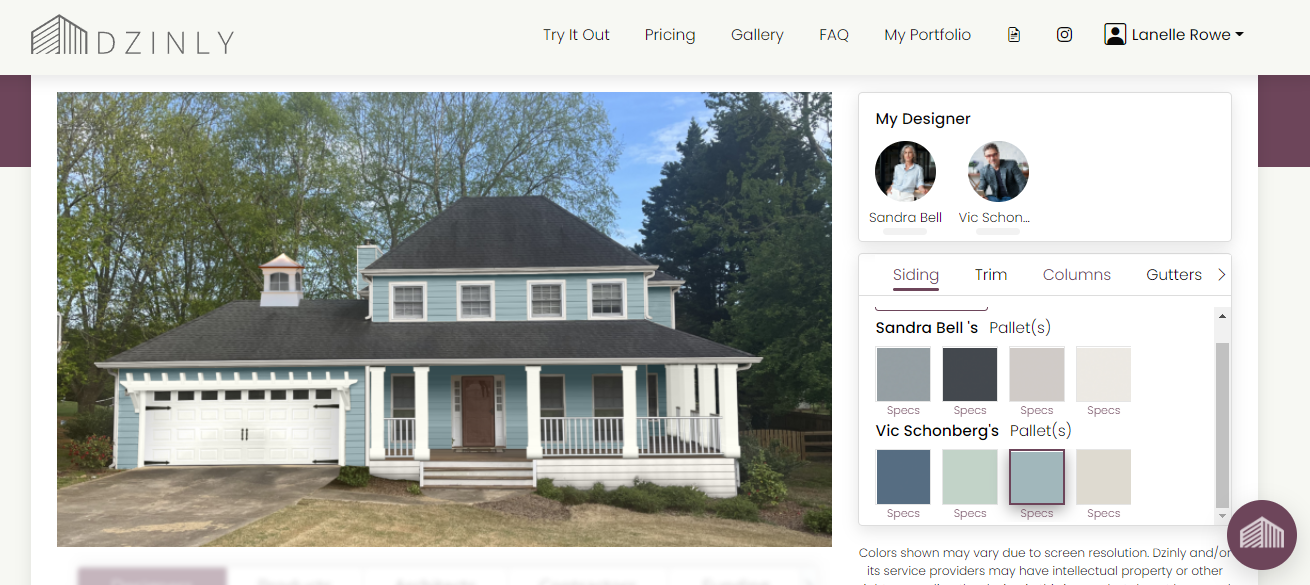
? See it at DZINLY. See your potential changes on your home at DZINLY. Take the stress and guesswork out of making color and material choices. DZINLY can show you exactly what your house would look like.
Personal Enjoyment
A home is meant to be appreciated, and spring is a time when most homeowners like to get outside to enjoy their property. Spring has optimal conditions for painting the outside of your house. Plus, when you paint the exterior of your home during spring months, you can enjoy it throughout the summer months, when you are outside the most.
A new coat of paint can make a big difference in the exterior of your home, but it can be a dramatic change that might be difficult to visualize until the house is actually painted. It’s important to consider multiple color options before making a final decision. Dzinly.com can help bring your vision of your house’s exterior paint to life and give you an idea of what a major paint change will look like on your home.
Discover more tags
Popular Posts
View All-

Emerging Trends in Home Construction and Renovation
Image source In the dynamic world of home construction and renovation, staying updated with the latest trends is essential for homeowners, builders, and designers. As we move deeper into 2024, several innovative trends are emerging, driven by technological advancements, sustainability concerns, and evolving aesthetic preferences. This blog will explore these trends, providing insights into what’s […]
-
Best Practices for Client Communication and Project Management
Image Source For design and construction, effective client communication and project management are key pillars that can make or break a successful project. From understanding client needs to delivering a finished product, every step requires clear communication and efficient management. Here are some best practices to ensure a smooth and successful journey from project initiation […]
-
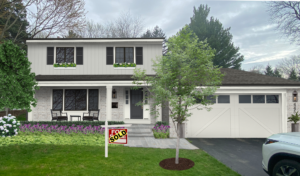
Why Isn’t Your Listing Selling? Actionable Steps for Real Estate Agents
Selling a home should be a smooth process, but sometimes listings sit on the market longer than expected. If a property isn’t generating interest or receiving offers, identifying the root cause is crucial. Here are common reasons why homes struggle to sell and actionable steps real estate agents can take to turn things around. Overpricing […]
-
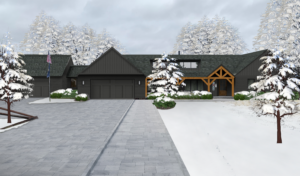
The Impact of Weather and Climate on Building Projects: What You Need to Know & How to Manage It
When it comes to building projects, weather and climate are often overlooked factors that can significantly impact everything from timelines to budgets. Whether you’re constructing a new home, renovating a commercial property, or working on any kind of building project, understanding how the elements affect your plans is crucial for a successful outcome. In this blog, we’ll explore how weather and climate influence construction and offer practical solutions to manage these challenges.