

Bella Baldwin
February 17, 2025The Impact of Weather and Climate on Building Projects: What You Need to Know & How to Manage It
Building around weather can be difficult; Dzinly offers tips on how weather and climate affect construction projects and offers practical solutions to manage delays, material degradation, and worker safety. Learn how to keep projects on time in any climate through the use of correct construction material, worker safety, and other tips.
When it comes to building projects, weather and climate are often overlooked factors that can significantly impact everything from timelines to budgets. Whether you’re constructing a new home, renovating a commercial property, or working on any kind of building project, understanding how the elements affect your plans is crucial for a successful outcome. In this blog, we’ll explore how weather and climate influence construction and offer practical solutions to manage these challenges.
1. Delays Due to Weather Conditions
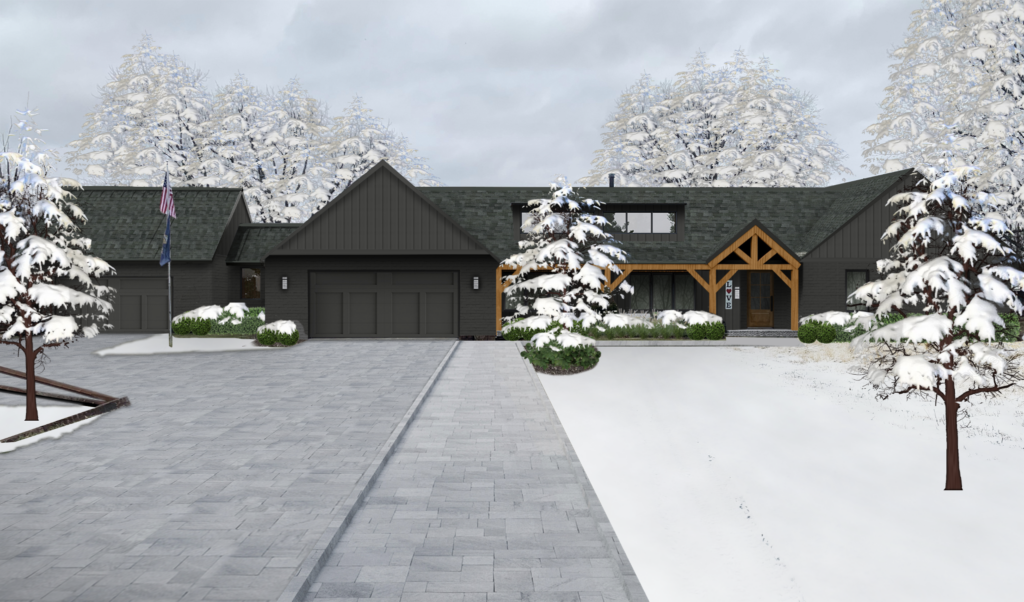
Weather-related delays are a common challenge in construction, with various conditions disrupting project timelines. Heavy rain can delay foundation work, prevent concrete from curing, and slow down exterior finishing. Cold weather, including snow and ice, can freeze materials, delay deliveries, and halt outdoor work, while high temperatures can reduce worker productivity and cause materials like asphalt or concrete to cure too quickly, resulting in cracks. These weather factors can significantly impact both the speed and quality of construction, requiring careful planning and adjustments to stay on schedule.
Solutions:
• Plan for Seasonal Delays: Consider local weather patterns and time your project to avoid the worst months for weather-related disruptions. For example, scheduling major groundwork before the rainy season or avoiding summer heatwaves for tasks like paving can help.
•Weatherproofing: Invest in temporary coverings (e.g., tarps or plastic sheeting) to protect materials and work areas from rain or snow. These can also help extend working hours during less-than-ideal weather.
• Flexible Timelines: Build in buffer periods to your project schedule to account for unexpected weather delays. Factor in the time needed to resume work after weather events.
Paying close attention to local forecasts and planning specific activities around anticipated conditions can save time, resources, and headaches. For instance:
• Roof Installation: Ensure roofing work is scheduled before the onset of the rainy season to prevent potential water damage to the structure.
• Concrete Pouring: Plan for concrete to be poured during moderate temperatures to allow proper curing. Avoid scheduling this task when a cold snap is expected, as freezing temperatures can weaken the material.
• Painting and Finishing: Exterior painting or finishing should be reserved for dry and mild days, as high humidity or extreme temperatures can negatively impact application and durability.
Being proactive and scheduling these weather-sensitive activities with seasonal patterns in mind ensures smoother progress and better results.
2. Impact on Materials
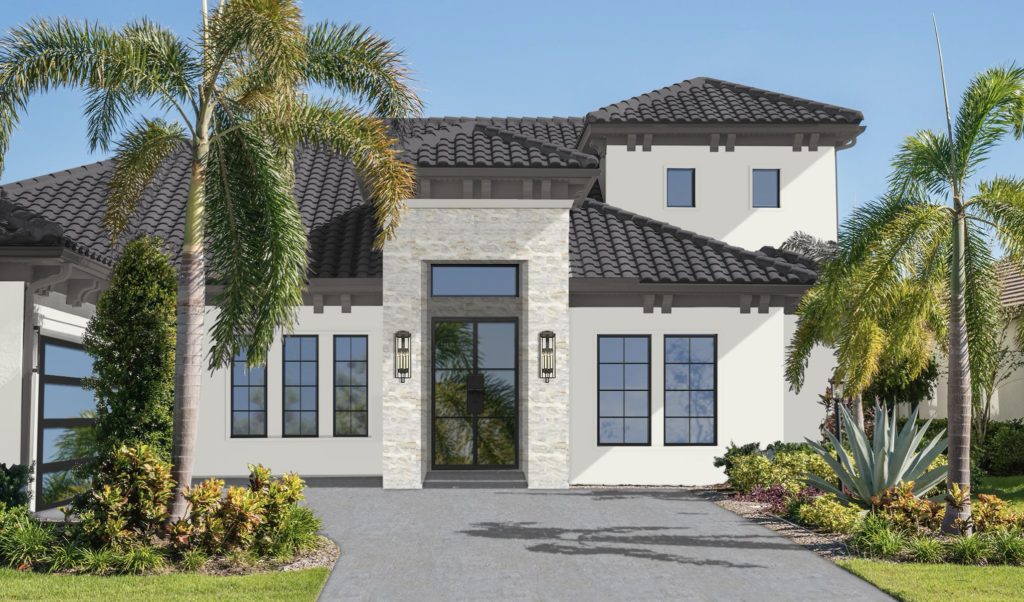
The climate in which a building project takes place plays a significant role in determining the durability and performance of the materials used. Ignoring these factors can lead to costly repairs, shortened lifespans for materials, and even structural failure. Here are a few examples to illustrate the impact:
- Wood in Humid or Wet Climates: In consistently damp environments, untreated wood can absorb moisture, leading to warping, swelling, or rot. For instance, a wooden deck built with untreated lumber in a rainy or humid region may become unstable or unsafe within a few years due to these effects.Conversely, in hot, arid climates, wood can dry out excessively, leading to cracking and shrinking that compromises its structural integrity.
- Metal Corrosion in Coastal Areas: Steel and aluminum structures or components in coastal environments are often exposed to salty air and high humidity, which accelerate corrosion. For example, metal railings or fasteners on oceanfront properties may rust within months if not appropriately treated or coated.Using galvanized or stainless steel in these situations can dramatically extend the life of the materials by resisting corrosion.
- Paints and Finishes in Extreme Temperatures: In very hot climates, paints and finishes can deteriorate quickly due to constant exposure to intense sunlight and UV radiation, leading to fading, cracking, or peeling.In humid conditions, traditional paints may not cure properly, leaving surfaces prone to mildew growth or premature degradation. For instance, exterior paint applied during a humid spell might develop bubbling or uneven surfaces, reducing its effectiveness and aesthetics.
Solutions for Managing Climate Challenges
- Choose Materials Designed for the Climate: In wet or humid climates, use moisture-resistant options like pressure-treated lumber, composite decking, or fiber cement siding. In coastal areas, opt for corrosion-resistant metals, such as stainless steel or aluminum with protective coatings. In hot, sunny regions, use high-quality, UV-resistant paints and sealants to protect surfaces from sun damage.
- Implement Proper Storage Practices: Materials like wood, drywall, or cement can be significantly impacted by exposure to moisture or temperature fluctuations during storage. Keep them in dry, shaded, or temperature-controlled environments to maintain their quality. For example, storing lumber in a covered area with good ventilation can prevent warping or mold growth.
- Consider Advanced Coatings and Treatments: Many modern materials come with advanced treatments that improve their resistance to environmental factors. For instance, decking materials treated with anti-mildew coatings or metal components coated with anti-corrosion layers can add years to a building’s durability.
3. Foundation and Site Preparation
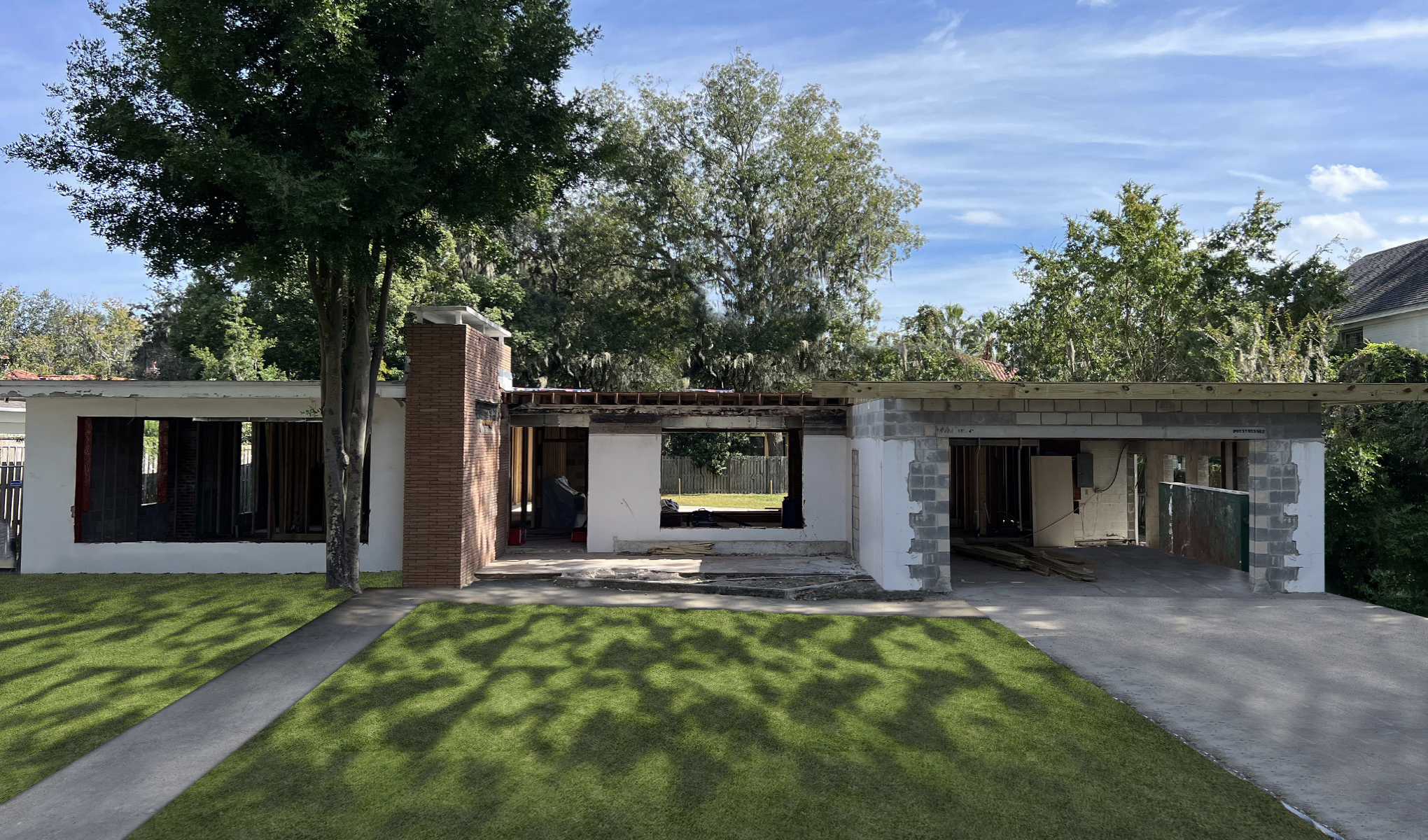
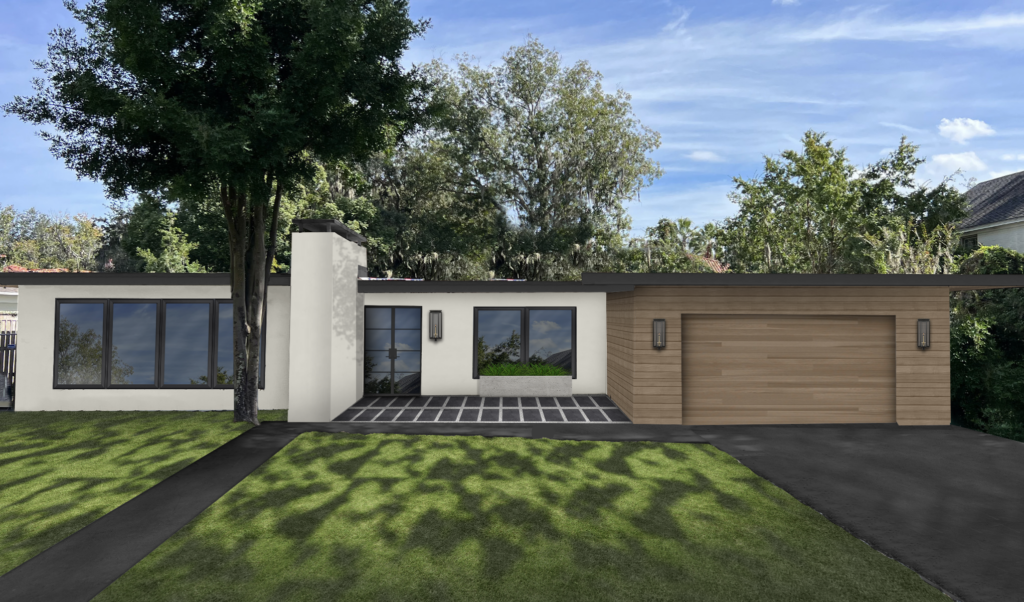
Site conditions, influenced by the local climate, play a crucial role in foundation stability, as weather can alter soil structure, cause erosion, or shift the ground beneath the foundation. Heavy rain can lead to soil erosion and delays in excavation, while drought conditions can cause dry soil to shrink and crack, potentially compromising foundation stability. In colder climates, freeze-thaw cycles can shift the ground, resulting in cracks or settling of the foundation. Understanding these factors is essential for ensuring a stable and secure foundation in varying weather conditions.
Solutions:
Soil Testing and Stabilization:
Conduct Soil Analysis: Before construction, hire a geotechnical engineer to analyze the soil’s composition, load-bearing capacity, and susceptibility to movement. This helps identify potential risks early.
Design for Local Climate and Soil Conditions:
- Frost Protection: In freeze-prone regions, use deeper footings or frost-protected shallow foundations to prevent frost heave. Incorporating insulation can also help maintain a consistent ground temperature.
- Flood-Resistant Design: In flood-prone areas, elevate the structure with raised foundations or pilings to minimize exposure to standing water and prevent damage.
- Drought-Resistant Techniques: In areas with expansive clays, consider using pier-and-beam foundations, which can adapt to soil movement more effectively than traditional slab foundations.
Proper Drainage Systems:
- Install a comprehensive drainage system around the site to direct water away from the foundation. This may include:
- Grading: Ensure the site slopes away from the building to prevent water pooling near the foundation.
- French Drains or Surface Drains: These systems help collect and channel water safely away from the structure.
- Gutter Systems: Properly functioning gutters and downspouts should direct rainwater well away from the foundation, reducing erosion and waterlogging risks.
Seasonal Timing and Monitoring:
- Plan foundation work to coincide with favorable weather conditions. For instance, avoid pouring concrete during heavy rains or freezing temperatures, as these conditions can weaken the material and compromise its integrity.
- Monitor the site for changes during construction and make adjustments as needed to address unforeseen weather impacts.
4. Worker Health and Safety
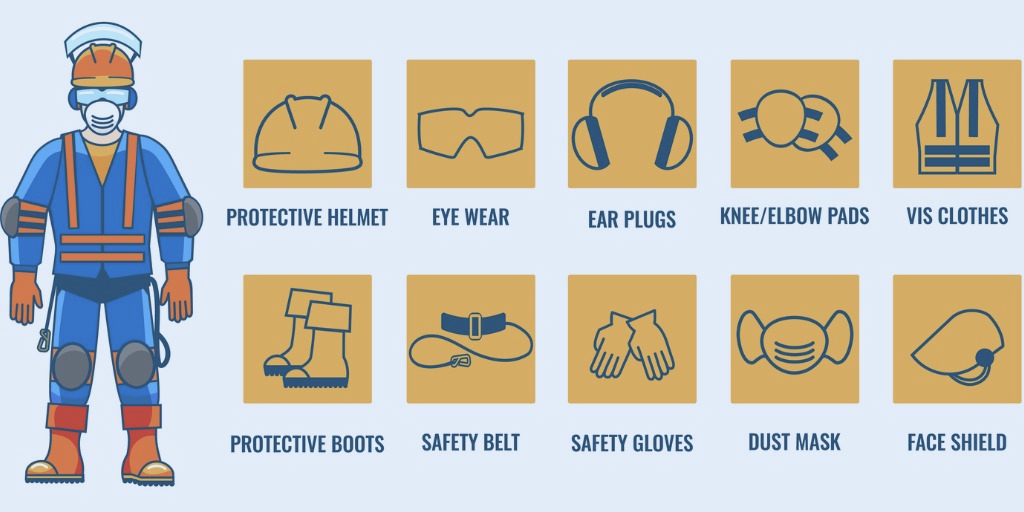
Extreme weather poses significant risks to worker health and safety, whether it’s excessive heat or freezing temperatures. Prolonged exposure to high temperatures can lead to heat exhaustion or heatstroke, while in colder weather, workers are at risk of frostbite, hypothermia, and slipping on icy surfaces. It’s essential to take precautions to protect workers from these hazards, adjusting schedules and providing proper gear for different conditions.
Solutions:
- Provide Adequate Gear: Ensure workers have the right gear for the conditions, such as sunscreen, wide-brimmed hats, and hydration systems in hot climates or insulated gloves and clothing in cold climates.
- Adjust Work Hours: In extreme heat, schedule outdoor work for early mornings or late afternoons when temperatures are lower. In winter, allow for longer breaks and ensure workers have a warm shelter to rest in.
- Safety Training: Offer regular safety training to recognize symptoms of heat-related illness or cold-weather stress, and encourage workers to take breaks and hydrate or warm up as needed.
5. Energy Efficiency and Long-Term Considerations
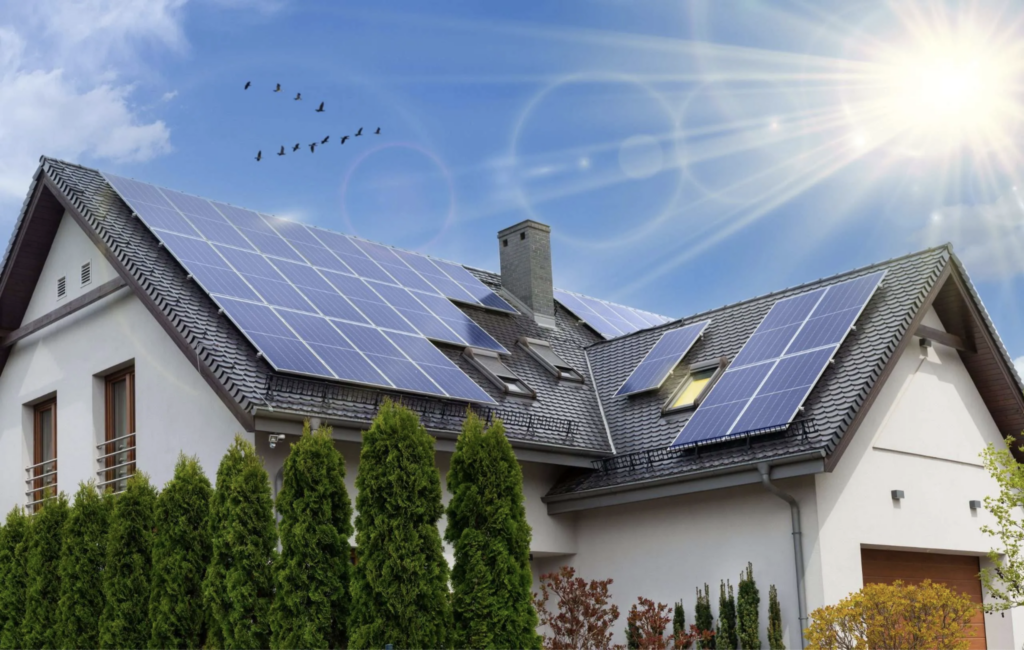
The local climate significantly affects both the construction process and the long-term energy efficiency of a building, with each climate requiring specific considerations. In hot climates, buildings need insulation to block heat and reflective surfaces to reduce cooling costs, while in cold climates, proper insulation is crucial for minimizing heat loss and lowering heating expenses. Homes in coastal climates must be designed to withstand salt exposure and more extreme weather, requiring durable materials and special design features to ensure longevity and energy efficiency.
Solutions:
Tailored Architectural Features:
- In hot climates, design elements like cross-ventilation, large overhangs, and light-colored exterior finishes reduce heat absorption and improve airflow.
- In cold climates, compact building shapes and airtight construction prevent heat loss, while strategically oriented windows maximize solar gain during winter months.
Green Building Techniques:
- Green roofs, which provide insulation and reduce heat absorption, are ideal for urban areas in both hot and temperate climates.
- Solar panels can adapt to any climate, providing renewable energy and reducing dependence on conventional heating or cooling methods. Passive solar heating, achieved through large south-facing windows in colder climates, captures natural warmth during the day to reduce heating demands.
Material Selection for Durability and Efficiency:
- In hot regions, reflective or cool roofs help maintain lower indoor temperatures, reducing cooling costs.
- Coastal areas benefit from corrosion-resistant materials and sealed structures that prevent moisture intrusion, which can compromise energy efficiency and structural integrity over time.
Conclusion
Weather and climate have a profound influence on every aspect of building projects, from initial planning to long-term performance. Factors such as delays, material degradation, worker safety, and environmental impact all hinge on how well projects account for local climate conditions. However, these challenges can be effectively managed with careful planning, strategic material selection, and forward-thinking design.
By understanding and addressing the specific climate conditions of your project location, choosing materials suited to those conditions, and preparing for potential shifts in weather patterns, you can ensure that your project not only stays on schedule but also delivers lasting durability and performance.
Taking a proactive approach by integrating weather-resistant features into your construction plans empowers you to navigate the unpredictable nature of the environment. The result is a building project that is not only successful but also resilient and sustainable for years to come.
Discover more tags
Popular Posts
View All-

Emerging Trends in Home Construction and Renovation
Image source In the dynamic world of home construction and renovation, staying updated with the latest trends is essential for homeowners, builders, and designers. As we move deeper into 2024, several innovative trends are emerging, driven by technological advancements, sustainability concerns, and evolving aesthetic preferences. This blog will explore these trends, providing insights into what’s […]
-
Best Practices for Client Communication and Project Management
Image Source For design and construction, effective client communication and project management are key pillars that can make or break a successful project. From understanding client needs to delivering a finished product, every step requires clear communication and efficient management. Here are some best practices to ensure a smooth and successful journey from project initiation […]
-
Why Isn’t Your Listing Selling? Actionable Steps for Real Estate Agents
Selling a home should be a smooth process, but sometimes listings sit on the market longer than expected. If a property isn’t generating interest or receiving offers, identifying the root cause is crucial. Here are common reasons why homes struggle to sell and actionable steps real estate agents can take to turn things around. Overpricing […]
-
The Impact of Weather and Climate on Building Projects: What You Need to Know & How to Manage It
When it comes to building projects, weather and climate are often overlooked factors that can significantly impact everything from timelines to budgets. Whether you’re constructing a new home, renovating a commercial property, or working on any kind of building project, understanding how the elements affect your plans is crucial for a successful outcome. In this blog, we’ll explore how weather and climate influence construction and offer practical solutions to manage these challenges.