

Bella Baldwin
March 24, 2025Emerging Trends in Home Construction and Renovation
Top 8 Latest trends shaping home construciton and renovating in 2024$ Learn how different techniques are emerging from sustainable practices and smart home technology to flexible living spaces.
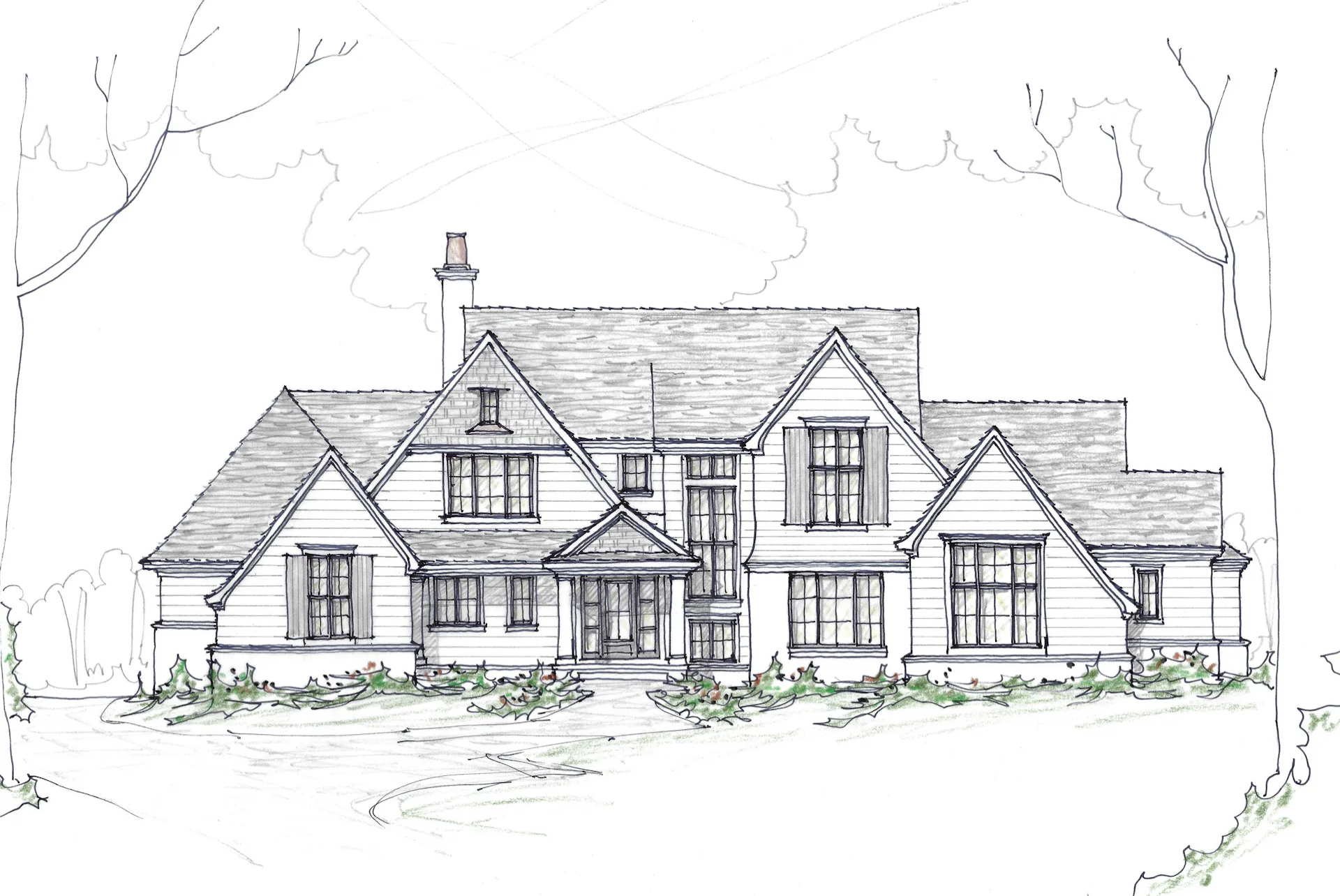
In the dynamic world of home construction and renovation, staying updated with the latest trends is essential for homeowners, builders, and designers. As we move deeper into 2024, several innovative trends are emerging, driven by technological advancements, sustainability concerns, and evolving aesthetic preferences. This blog will explore these trends, providing insights into what’s shaping the future of home construction and renovation.
1. Sustainable and Eco-Friendly Construction
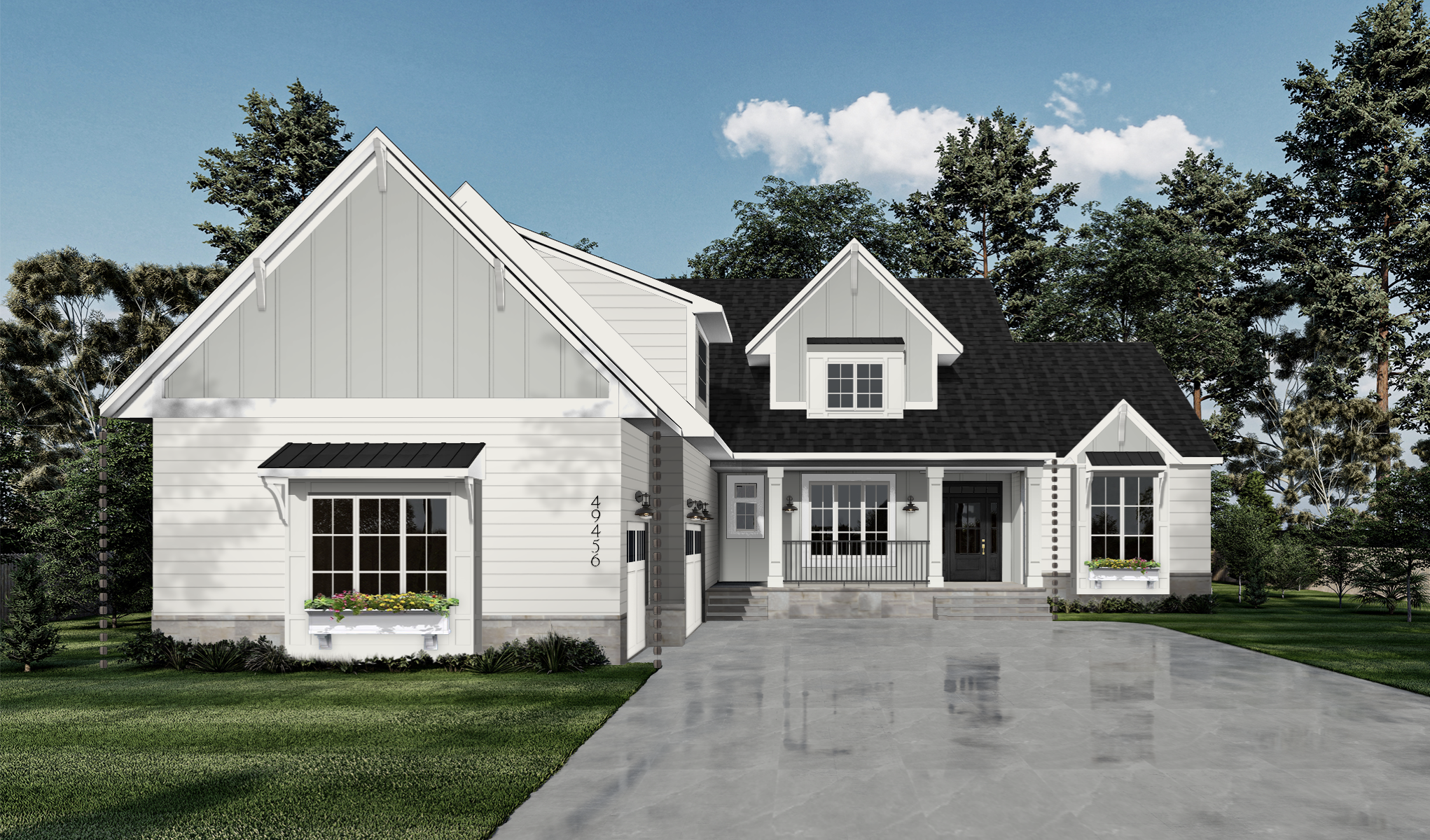
One of the most significant trends in home construction is the growing emphasis on sustainability. Eco-friendly construction practices are becoming mainstream, with builders and homeowners increasingly opting for sustainable materials and energy-efficient designs.
- Green Building Materials: The use of sustainable materials like reclaimed wood, bamboo, recycled metal, and low-VOC (volatile organic compound) paints is on the rise. These materials not only reduce the environmental impact of construction but also create healthier indoor environments. Reclaimed wood adds a rustic charm and unique character to homes, while bamboo, a fast-growing renewable resource, provides durability and versatility. Recycled metal is being used in innovative ways, from structural elements to decorative features, contributing to a reduced carbon footprint. Low-VOC paints and finishes improve indoor air quality by emitting fewer toxic chemicals.
- Energy Efficiency: Homes are being designed with energy efficiency in mind. This includes the installation of solar panels, energy-efficient windows, and insulation systems that reduce heating and cooling costs. Solar panels are becoming more affordable and efficient, allowing homeowners to generate their own electricity and reduce reliance on the grid. Energy-efficient windows with advanced glazing technologies minimize heat loss in winter and keep interiors cool in summer. High-performance insulation materials, such as spray foam and rigid foam boards, enhance thermal performance and reduce energy consumption. Smart home systems that optimize energy use are also becoming more popular. These systems can control lighting, heating, and cooling remotely, adapting to the homeowner’s schedule and preferences to maximize efficiency.
- Water Conservation: Sustainable construction also focuses on water conservation through the use of rainwater harvesting systems, low-flow fixtures, and drought-resistant landscaping. Rainwater harvesting systems collect and store rainwater for irrigation and household use, reducing dependence on municipal water supplies. Low-flow fixtures, such as faucets, showerheads, and toilets, use less water without sacrificing performance. Drought-resistant landscaping, or xeriscaping, involves planting native and adaptive species that require minimal water, thereby conserving water and creating resilient landscapes.
2. Smart Homes and Automation
The integration of smart technology into homes is transforming the way we live. Smart home automation systems are no longer a luxury but a standard feature in new constructions and renovations. Here’s how this trend is evolving:
- Home Automation Systems: Home automation systems allow homeowners to control lighting, heating, cooling, security, and even appliances remotely via smartphones or voice commands. These systems offer unparalleled convenience, enabling users to adjust settings from anywhere, whether at home or away. Voice-activated assistants like Amazon Alexa, Google Assistant, and Apple’s Siri are becoming central hubs for managing various smart devices, making daily tasks more efficient and seamless. The ability to create customized schedules and routines, such as dimming lights in the evening or adjusting the thermostat before arriving home, enhances the living experience and contributes to a more comfortable and efficient household.
- Energy Management: Smart thermostats, smart lighting, and energy monitoring systems help homeowners optimize energy use, reducing utility bills and environmental impact. Smart thermostats, such as those from Nest and Ecobee, learn the user’s habits and preferences, automatically adjusting temperatures for optimal comfort and efficiency. These devices can also be controlled remotely, allowing adjustments on the go. Smart lighting systems, like Philips Hue and LIFX, enable users to control brightness and color, set schedules, and even sync with other smart devices. Energy monitoring systems provide real-time data on electricity usage, helping homeowners identify high-consumption devices and make informed decisions to reduce energy waste.
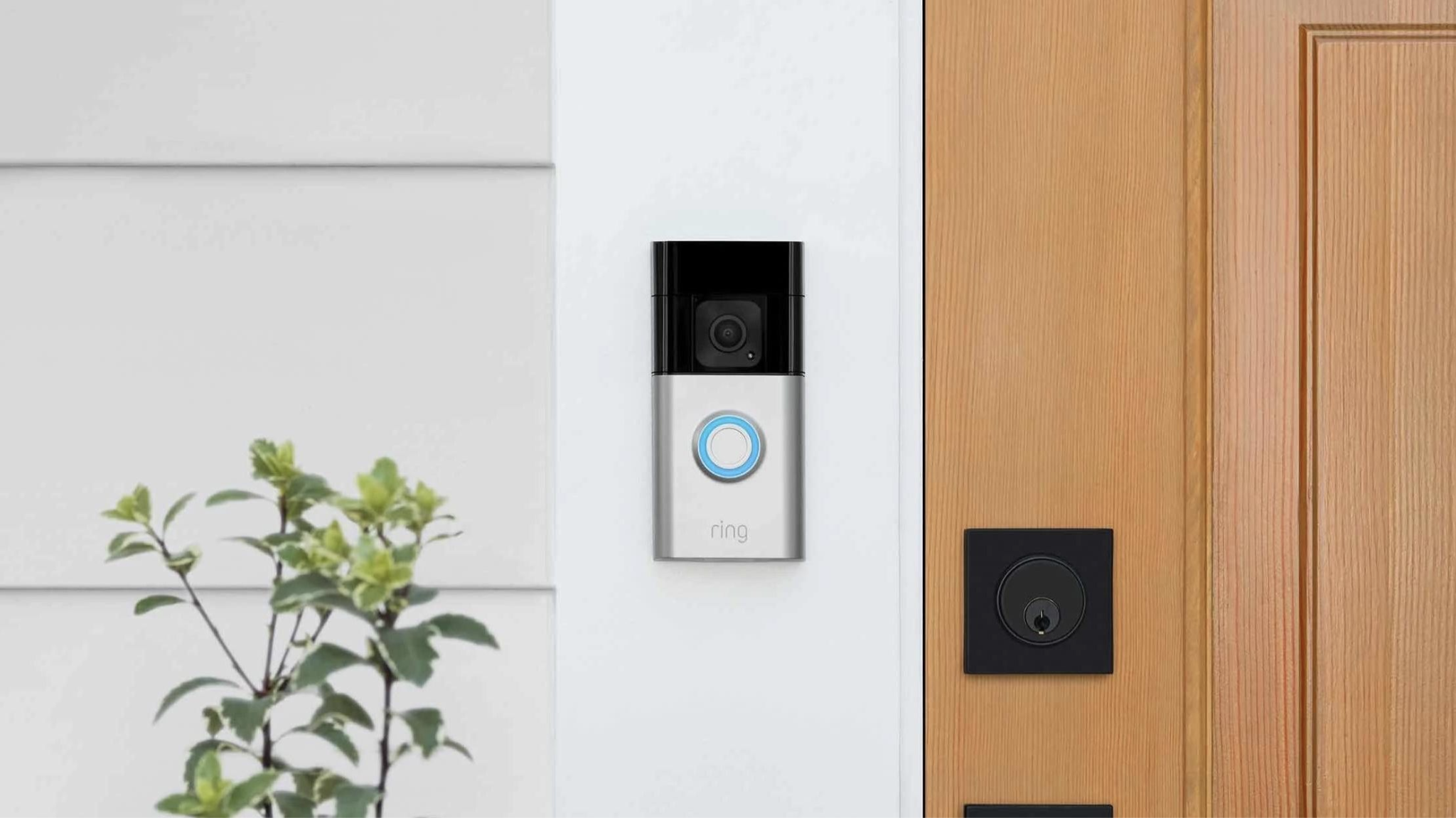
- Enhanced Security: Advanced security systems, including smart locks, video doorbells, and surveillance cameras, provide homeowners with peace of mind and greater control over their home’s security. Smart locks, such as those from August and Schlage, allow for keyless entry and can be controlled remotely, granting access to guests or service providers without the need for physical keys. Video doorbells, like Ring and Nest Hello, offer real-time video feeds and motion detection alerts, allowing homeowners to see and communicate with visitors from anywhere. Comprehensive surveillance systems with indoor and outdoor cameras provide continuous monitoring and can be integrated with other smart home devices for a cohesive security solution. Features such as facial recognition, night vision, and cloud storage enhance the capabilities and reliability of these systems.
3. Flexible and Multi-Functional Spaces
The COVID-19 pandemic has reshaped our living spaces, emphasizing the need for flexibility and multi-functionality. Homes are being designed to accommodate a variety of activities, from remote work and online learning to fitness and entertainment. Key elements of this trend include:
- Home Offices: The demand for dedicated home office spaces continues to grow. These spaces are designed with ergonomic furniture, soundproofing, and high-speed internet connectivity to create productive work environments. Home offices now often include built-in desks, ample storage solutions, and adjustable lighting to support long hours of work. Acoustic panels or soundproof doors can be added to minimize distractions and create a quiet, focused environment. Additionally, the incorporation of stylish decor and personal touches makes these spaces both functional and aesthetically pleasing, encouraging a productive and enjoyable work-from-home experience.
- Multi-Functional Rooms: Rooms are being designed to serve multiple purposes. For example, a guest bedroom might double as a home office, and a living room might incorporate a workout area. To achieve this, homeowners are investing in versatile furniture, such as fold-away desks, Murphy beds, and modular seating that can be reconfigured as needed. Built-in storage solutions help keep these multi-functional spaces organized and clutter-free. In children’s rooms, spaces are being designed to transition from play areas to study zones, accommodating their evolving needs. The ability to seamlessly switch between different functions within a single room maximizes space efficiency and enhances the overall utility of the home.
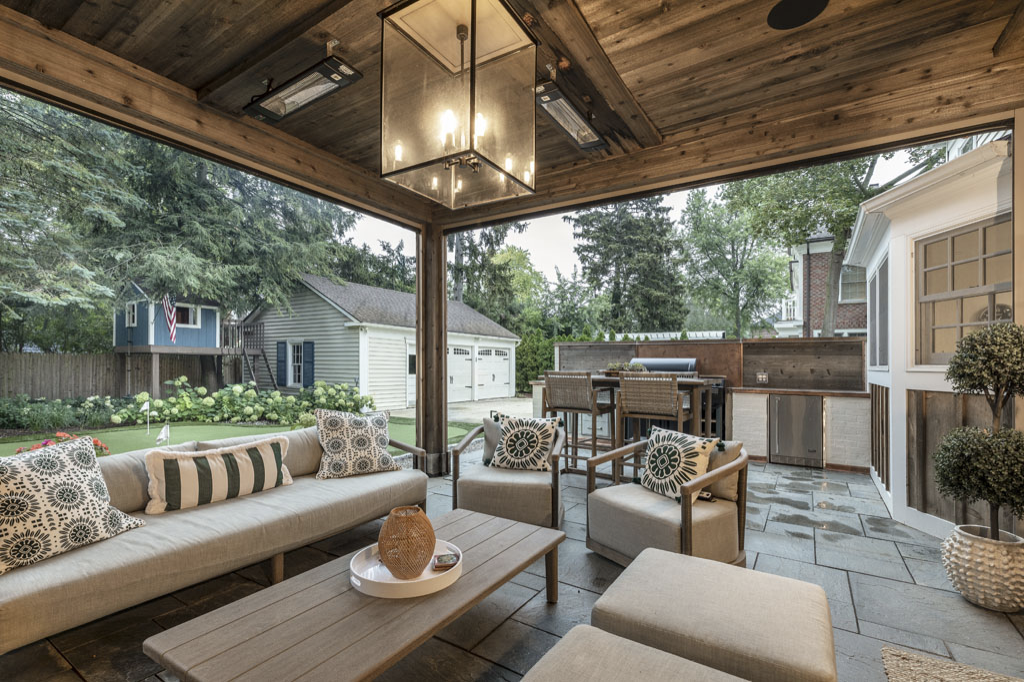
- Outdoor Living Spaces: With a growing emphasis on wellness and outdoor activities, homes are being designed with enhanced outdoor living areas. This includes patios, decks, outdoor kitchens, and even backyard offices or gyms. These spaces are equipped with weather-resistant furniture, outdoor lighting, and heating elements to extend their usability throughout the year. Outdoor kitchens often feature built-in grills, sinks, and refrigerators, creating a complete cooking and dining experience al fresco. Backyard offices and gyms are gaining popularity, offering dedicated spaces for work and exercise surrounded by nature. Additionally, features like pergolas, fire pits, and water features add to the aesthetic appeal and functionality of outdoor living spaces, making them ideal for relaxation and social gatherings. Checkout our blog about Maximizing Outdoor Space: Innovative Ideas for Exterior Design.
4. Innovative Building Techniques
Advancements in building techniques are driving efficiency, cost savings, and new design possibilities in home construction. Some of the most notable innovations include:
- Modular and Prefabricated Construction: Modular and prefabricated construction methods involve constructing sections of a home in a factory setting and then assembling them on-site. This approach reduces construction time, minimizes waste, and often results in cost savings. Prefabricated components are built in controlled environments, ensuring higher quality and precision. The factory setting allows for better resource management and reduced exposure to weather-related delays. Homes constructed using these methods can be customized to meet specific design preferences and requirements, offering flexibility and efficiency. Additionally, modular construction supports scalability, making it an ideal solution for both single-family homes and larger multi-unit developments.
- 3D Printing: 3D printing technology is making its way into the construction industry, allowing for the creation of complex architectural elements and even entire homes with reduced labor costs and material waste. This innovative technique uses large-scale 3D printers to layer concrete or other building materials precisely according to digital designs. 3D printing enables the production of intricate and customized structures that would be challenging and time-consuming to create with traditional methods. The automation involved in 3D printing reduces the need for manual labor, lowers construction costs, and accelerates project timelines. Moreover, 3D printing promotes sustainability by optimizing material usage and reducing waste.
- Advanced Framing Techniques: New framing techniques are improving the structural integrity and energy efficiency of homes. Advanced framing, also known as optimum value engineering (OVE), involves using fewer materials while maintaining strength and stability. This method reduces thermal bridging, which occurs when heat transfers through framing materials, improving the home’s overall energy efficiency. Advanced framing techniques include the use of insulated headers, two-stud corner framing, and aligning framing members with insulation materials. These practices not only enhance the energy performance of the home but also lower material costs and reduce construction waste. Additionally, advanced framing supports the integration of other energy-efficient features, such as thicker insulation and more airtight building envelopes, contributing to a home’s sustainability.
5. Aesthetic Trends and Personalization
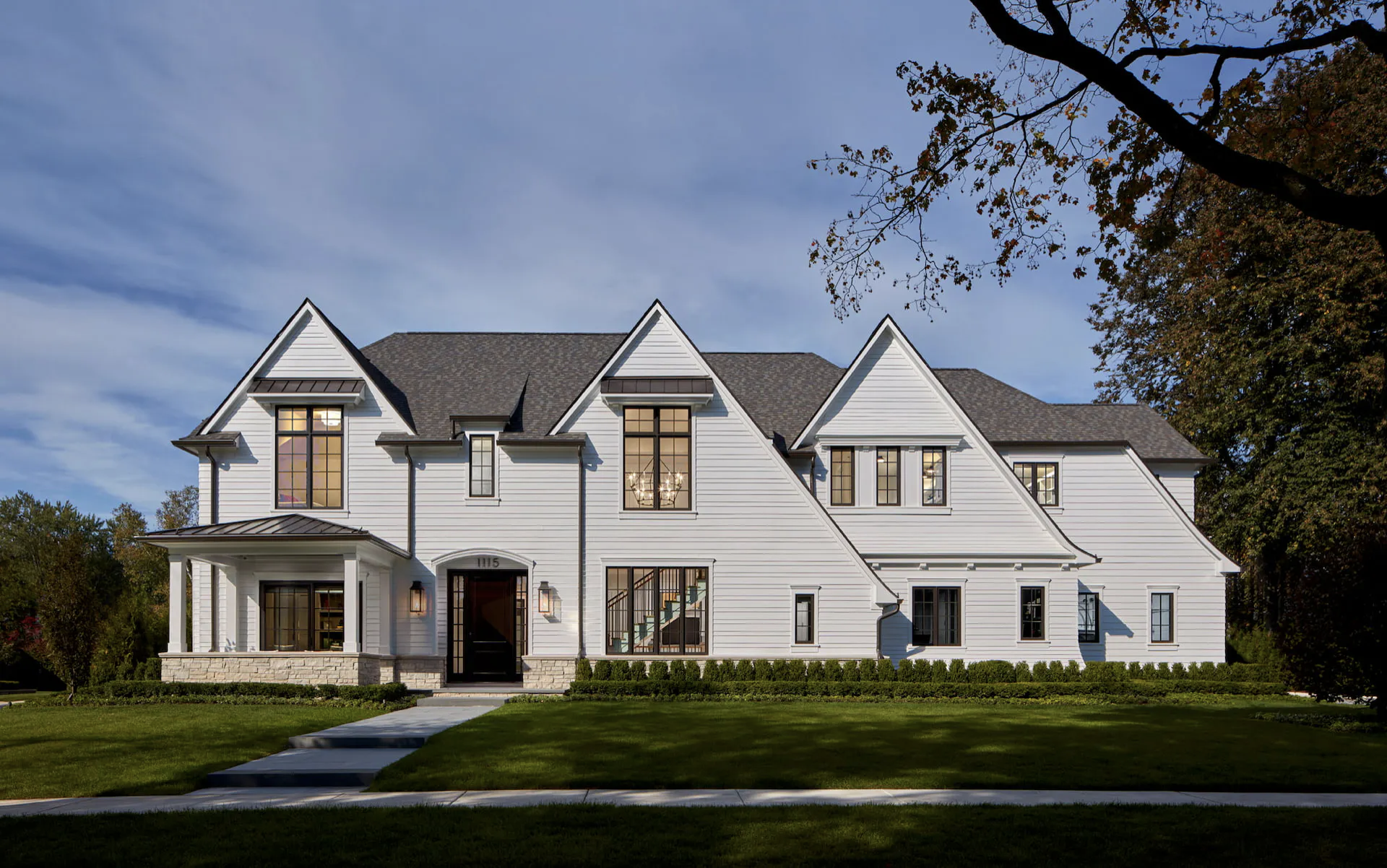
Homeowners are increasingly looking for ways to personalize their living spaces, making them unique and reflective of their individual tastes. Some current aesthetic trends include:
- Minimalist and Clean Lines: Modern homes are often characterized by minimalist designs with clean lines, open floor plans, and a focus on simplicity and functionality. This aesthetic emphasizes the use of neutral color palettes, uncluttered spaces, and sleek, modern furniture. The minimalist approach promotes a sense of calm and order, creating an environment that is both visually appealing and easy to maintain. Open floor plans enhance the flow of natural light and create a spacious feel, making homes more inviting and adaptable to various uses. Built-in storage solutions and concealed fixtures further contribute to the clean, streamlined look of minimalist interiors.
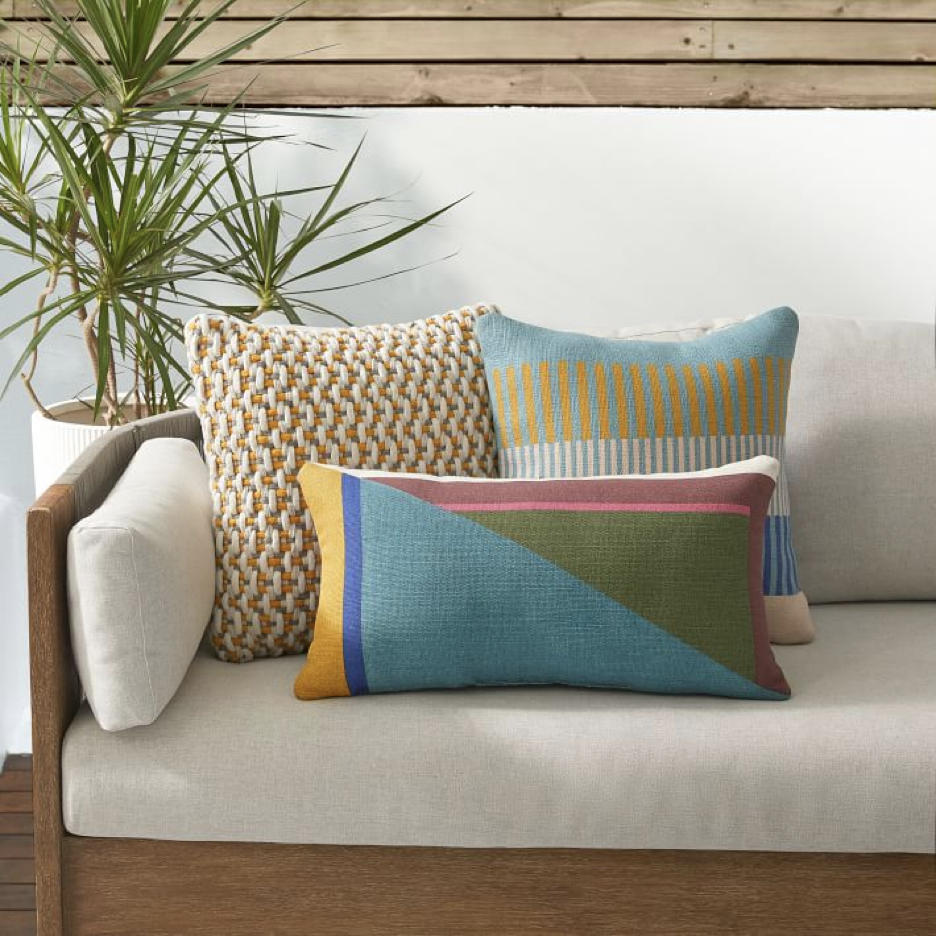
- Bold Colors and Textures: While minimalism is popular, there’s also a trend toward incorporating bold colors and textures to add personality and visual interest to spaces. This includes statement walls, textured finishes, and colorful accents. Homeowners are experimenting with vibrant hues, such as deep blues, rich greens, and warm terracottas, to create focal points and express individuality. Textured finishes, such as exposed brick, shiplap, and decorative plaster, add depth and character to walls and surfaces. Additionally, colorful accents in the form of artwork, throw pillows, and decorative objects bring life and energy to minimalist settings, creating a balanced and dynamic aesthetic.
- Vintage and Retro Influences: Nostalgia is influencing home design, with vintage and retro elements making a comeback. This includes mid-century modern furniture, retro color palettes, and vintage-inspired decor. Mid-century modern furniture, known for its clean lines, organic shapes, and functional design, is being integrated into contemporary homes for a timeless and stylish look. Retro color palettes, featuring shades like mustard yellow, avocado green, and burnt orange, add a touch of whimsy and nostalgia. Vintage-inspired decor, such as antique mirrors, retro lighting fixtures, and patterned textiles, brings a sense of history and charm to modern interiors. These elements allow homeowners to create spaces that are both trendy and timeless, blending the old with the new in a harmonious way.
8. Environmental Resilience
With the increasing frequency of extreme weather events, homes are being designed to be more resilient to environmental challenges. This includes:
- Storm-Resistant Construction: Using materials and building techniques that can withstand high winds, heavy rains, and other severe weather conditions is becoming increasingly important. Storm-resistant construction often involves the use of reinforced concrete, steel frames, and impact-resistant windows and doors. These materials and techniques ensure that homes can endure hurricanes, tornadoes, and other extreme weather events without significant structural damage. Roofs are being designed with stronger trusses and secure fastenings to prevent uplift during high winds. Additionally, hurricane straps and clips are used to connect the roof securely to the walls, enhancing overall structural integrity. These measures help protect the home and its occupants, providing peace of mind in storm-prone areas.
- Flood Mitigation: Designing homes with raised foundations, improved drainage systems, and flood-resistant materials is essential to minimize damage from flooding. Raised foundations, such as pier-and-beam or stilt foundations, elevate homes above potential floodwaters, reducing the risk of water damage. Improved drainage systems, including French drains, swales, and rain gardens, help manage stormwater runoff and prevent water from pooling around the home. Flood-resistant materials, such as ceramic tile, vinyl flooring, and water-resistant drywall, are used in areas prone to flooding to minimize damage and facilitate easier cleanup. Additionally, installing sump pumps and backflow valves can prevent water intrusion from rising groundwater and sewer backups, enhancing the home’s flood resilience.
- Fire-Resistant Design: In areas prone to wildfires, incorporating fire-resistant materials and landscaping practices that reduce fire risk is crucial. Fire-resistant building materials, such as concrete, brick, and metal, are used for exterior walls, roofs, and decks to reduce the home’s vulnerability to flames and embers. Windows and doors are fitted with tempered glass and metal screens to prevent embers from entering the home. Landscaping practices, known as defensible space, involve creating buffer zones around the home with fire-resistant plants, removing dead vegetation, and spacing trees and shrubs to prevent the spread of fire. Installing fire-resistant vents and barriers can also prevent embers from entering attics and crawl spaces. These measures collectively enhance the home’s ability to withstand wildfires and protect its occupants and property.
The trends in home construction and renovation for 2024 reflect a blend of technological innovation, sustainability, health-conscious design, and a desire for personalized and flexible living spaces. As these trends continue to evolve, they are reshaping the way we think about and build our homes, creating environments that are more efficient, resilient, and tailored to our individual needs and lifestyles. Whether you’re planning a new build or a renovation, keeping these trends in mind can help you create a home that is not only modern and stylish but also sustainable, functional, and future-proof.
Discover more tags
Popular Posts
View All-

Emerging Trends in Home Construction and Renovation
Image source In the dynamic world of home construction and renovation, staying updated with the latest trends is essential for homeowners, builders, and designers. As we move deeper into 2024, several innovative trends are emerging, driven by technological advancements, sustainability concerns, and evolving aesthetic preferences. This blog will explore these trends, providing insights into what’s […]
-
Best Practices for Client Communication and Project Management
Image Source For design and construction, effective client communication and project management are key pillars that can make or break a successful project. From understanding client needs to delivering a finished product, every step requires clear communication and efficient management. Here are some best practices to ensure a smooth and successful journey from project initiation […]
-
Why Isn’t Your Listing Selling? Actionable Steps for Real Estate Agents
Selling a home should be a smooth process, but sometimes listings sit on the market longer than expected. If a property isn’t generating interest or receiving offers, identifying the root cause is crucial. Here are common reasons why homes struggle to sell and actionable steps real estate agents can take to turn things around. Overpricing […]
-
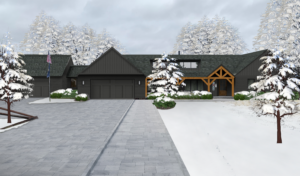
The Impact of Weather and Climate on Building Projects: What You Need to Know & How to Manage It
When it comes to building projects, weather and climate are often overlooked factors that can significantly impact everything from timelines to budgets. Whether you’re constructing a new home, renovating a commercial property, or working on any kind of building project, understanding how the elements affect your plans is crucial for a successful outcome. In this blog, we’ll explore how weather and climate influence construction and offer practical solutions to manage these challenges.