

Bella Baldwin
December 22, 2021What Is A Rendering, And How Can 3D Renderings Be Beneficial?
What is rendering and how can 3d rendering be used? A quick guide to using the latest software to picture your perfect home!
What Is A Rendering?
Rendering is a technique that uses computer programs to create two or three-dimensional images of any model. You can see the use of this method in video games, simulators, TV effects, architectural designs, animated movies, and design visualization. The features and techniques are different based on the project. Rendering can save time and reduce design costs.
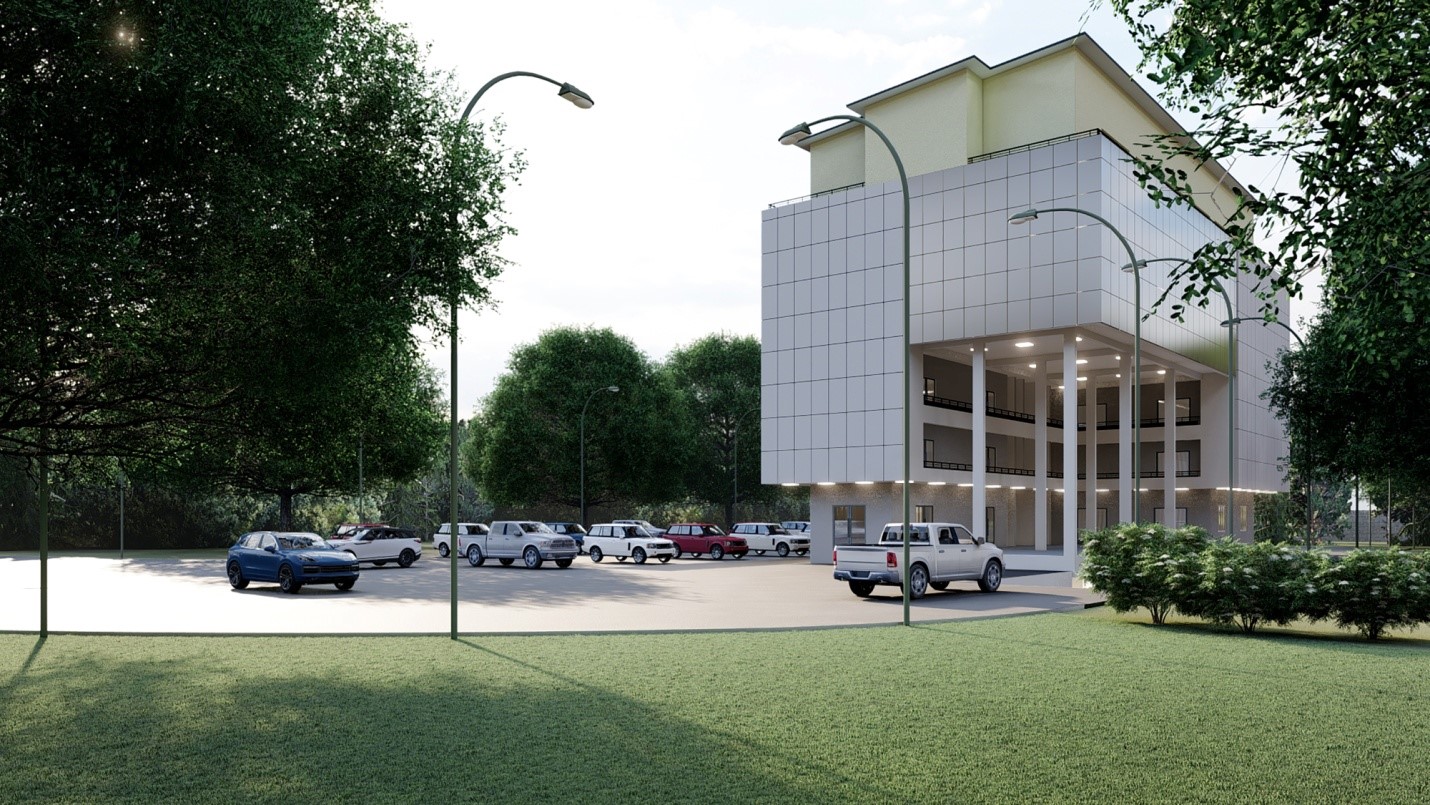
Photo by Ferdinand Asakome on Unsplash
Why Use A Rendering?
You can use 3D renderings to manage the effects of indoor and outdoor lighting. When the rendering technique is used, there is no need to wait for the perfect sunset or a sunny day to capture the architecture and home in the right light.
Without the rendering method, you may have to wait for the sun to shine and shadows to move before taking a perfect landscape picture. 3D rendering allows you to have full control over the intensity of the sunlight, the time of the day, and the angle of the sun. If you want it to be a sunny day while capturing the interiors, then 3D rendering will help achieve the result.
What Can I Expect From A Rendering?
1 – Size Of The Files
If you want a detailed rendering of a large image, this will take longer. The cost of a large rendering is higher than smaller images because it is done using more sophisticated computer software.
2 – Experience Of The Artist
An experienced designer who is comfortable with software renderings will provide a better product than one who has less experience. Inquire as to how long the designer has been producing renderings and ask to see some of their work. You will likely pay more but the result will better meet your expectations.

3 – Clear Communication
3D rendering techniques lets the customer and company have crystal clear communication. When the client can completely understand each part of the project and the planning, they will be more willing to make an instant decision and share feedback when required. Not everyone can visualize their project. 3D renderings take out the guesswork. You can readily see what your project will look like and make adjustments along the way.
How To Find A Reputable Company?
How do you differentiate a great rendering from an average one? Whether you are looking for a product or architectural rendering, always discuss cost, time, and quality.
1 – Cost
When looking for a company, explain your expectations. Based on the scope of your work, they will quote a price. Look for a company that is experienced and reputable. Consider on-line reviews. Many good companies also depend on referrals by word-of-mouth. This is an important step. Choosing the right company will help you realistically meet your expectations for your project.
2 – Time
Discuss your timeframe. More experienced companies have staff that can turn around your project quickly. Smaller companies might take longer.
3 – Quality
Ask to see renderings from previous jobs. Expect clear explanations of the renderings you will receive. Look for diversity in the work. It gives you a feel for the company’s experience level. If you like what you see, it will get you excited for your own project.
Rendering Average Cost
1 – Basic
Basic 3D renderings will likely be in the $300-$400 range.

2 – Mid-Level
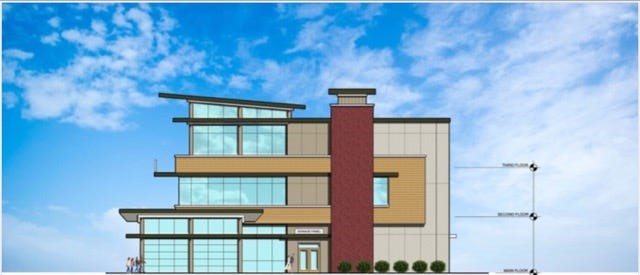
Larger architectural renderings can cost average of $400-$3000.
3 – High-End
If you are looking for the best and highest-quality architectural renderings, hire the most reputable and top-rated company. Expect to pay between $3000-$14000.
Birth Of 3D Rendering
Everything changed in the world of computer graphics when computer scientist Ivan Sutherland introduced Sketchpad in the 1960s. Sutherland joined David C. Evans to create beautiful 3D renderings and graphics using the software program. Additionally, they taught the subject at universities and educational institutions, beginning at the University of Utah.
How Does Rendering Work?
The technique of producing a picture using 3-dimensional data saved on a desktop is known as 3D rendering. Like photography and cinematography, 3D rendering is considered a creative method that uses light to produce images.
While using the 3D rendering technique, the graphics stored in the computer will convert 2D images to 3D with photorealistic effects. This rendering technique can take a few seconds to a few days for a particular image or frame.
What Does Rendering Include?
1 – External 3D Visualization
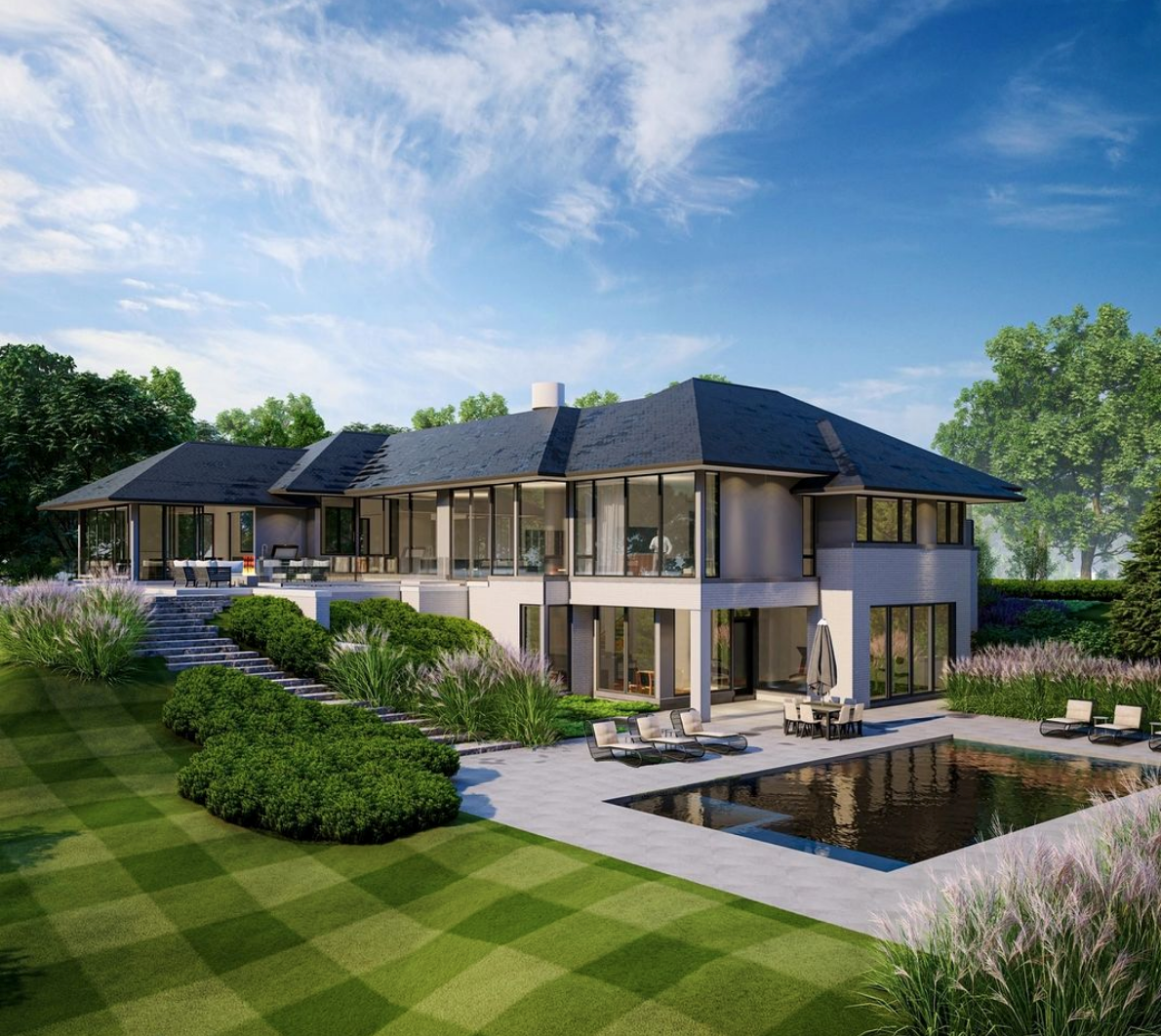
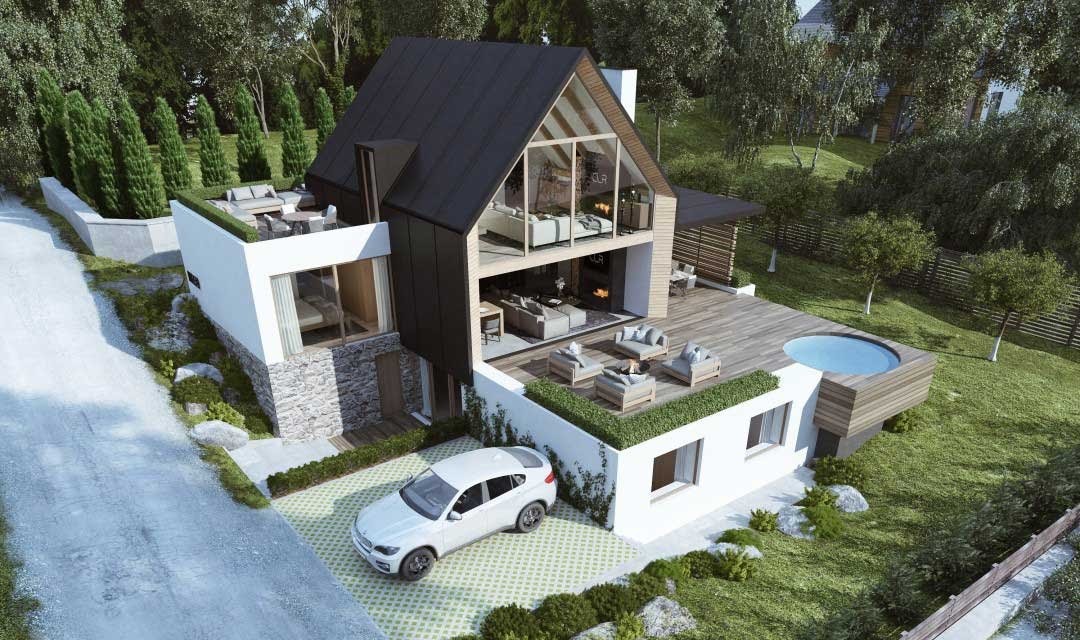
3D renderings are most widely used in the real estate and architectural industries. There isn’t a better technique than using photorealistic images to showcase the exterior of a home.
2 – Interior Rendering
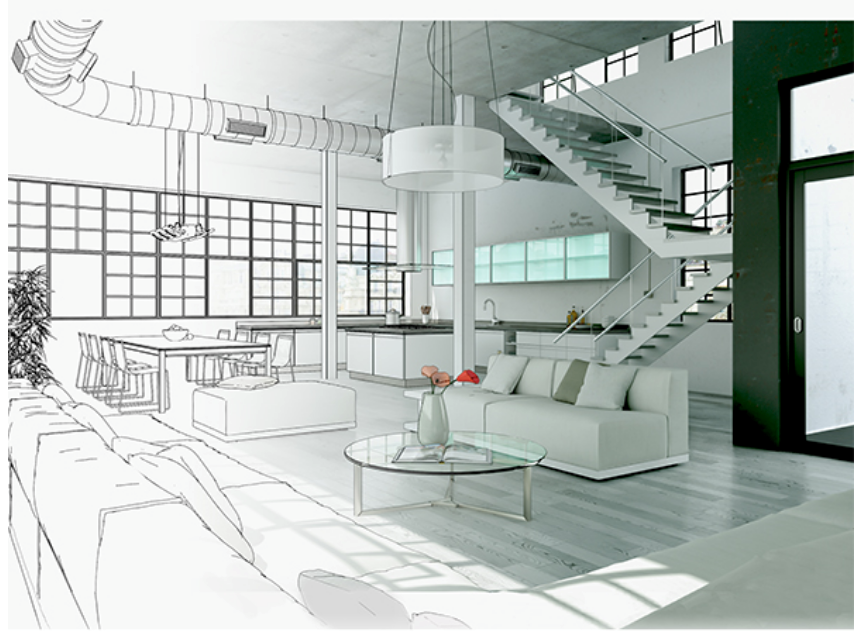
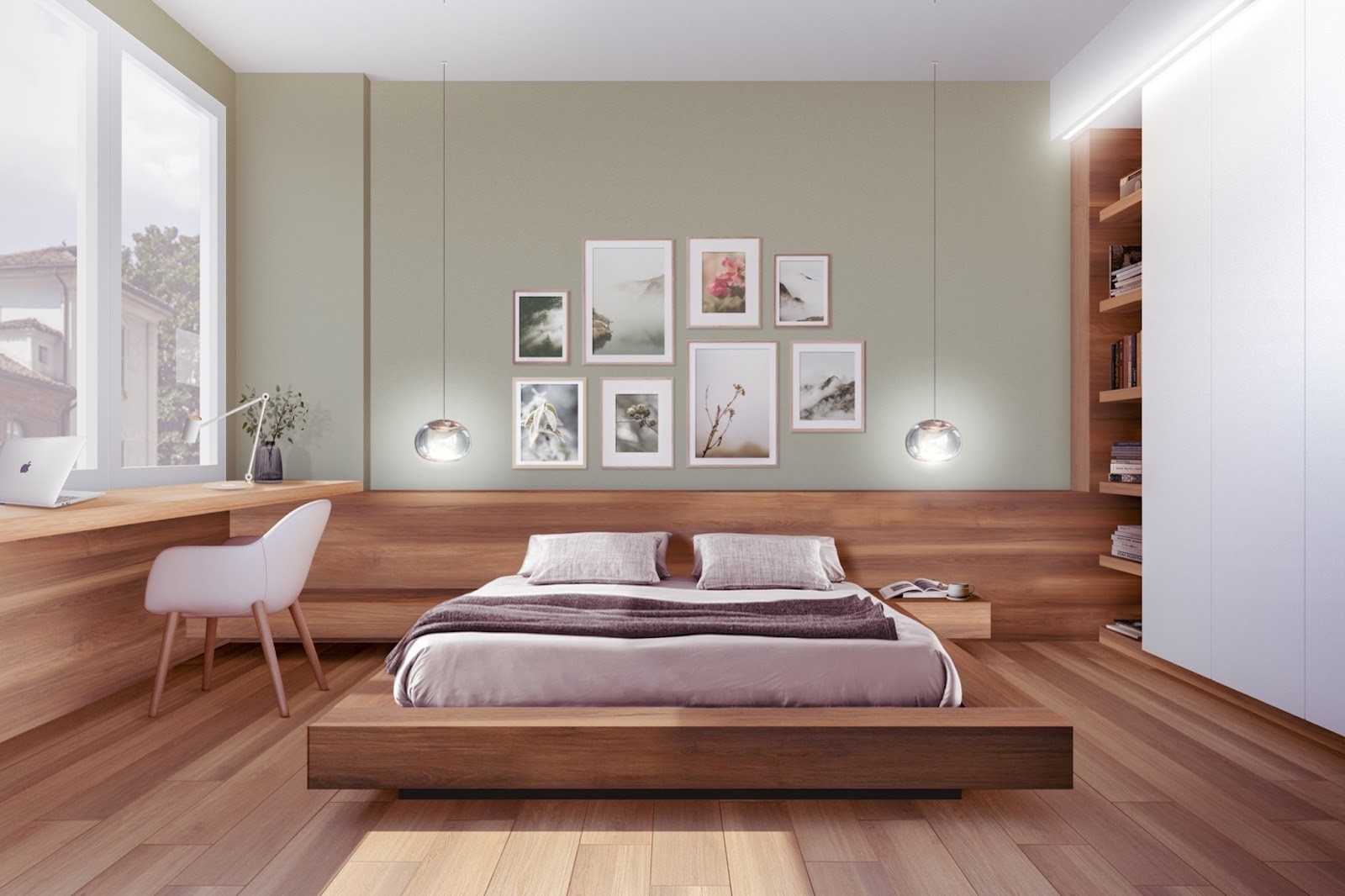
Interior renderings are just as important as the exterior. Still, images of interior rooms of a home help visualize potential improvements. Designers can provide interior renderings in a short time period. With photorealistic images, clients can decide on paint colors, design changes, and furniture placement.

Photo by Chauhan Moniz on Unsplash
3 – CGI Panoramas
There is no better way to showcase a space than using a 360-degree real-time interactive experience. CGI panoramas help the viewer see the space come alive as it moves across the expanse of the project in seconds. You can check details and experience the complete effect of design and color. Decisions can be made quickly and efficiently regarding the scope of your project.
4 – 3D Animation
3D animation techniques show more detail compared to still images. Here, design acts as the main plot of a short movie. This type of rendering is best used for clients who have decided on architectural plans. 3D animation saves time, cost, and effort. Hence, it can be more expensive than other types of renderings.
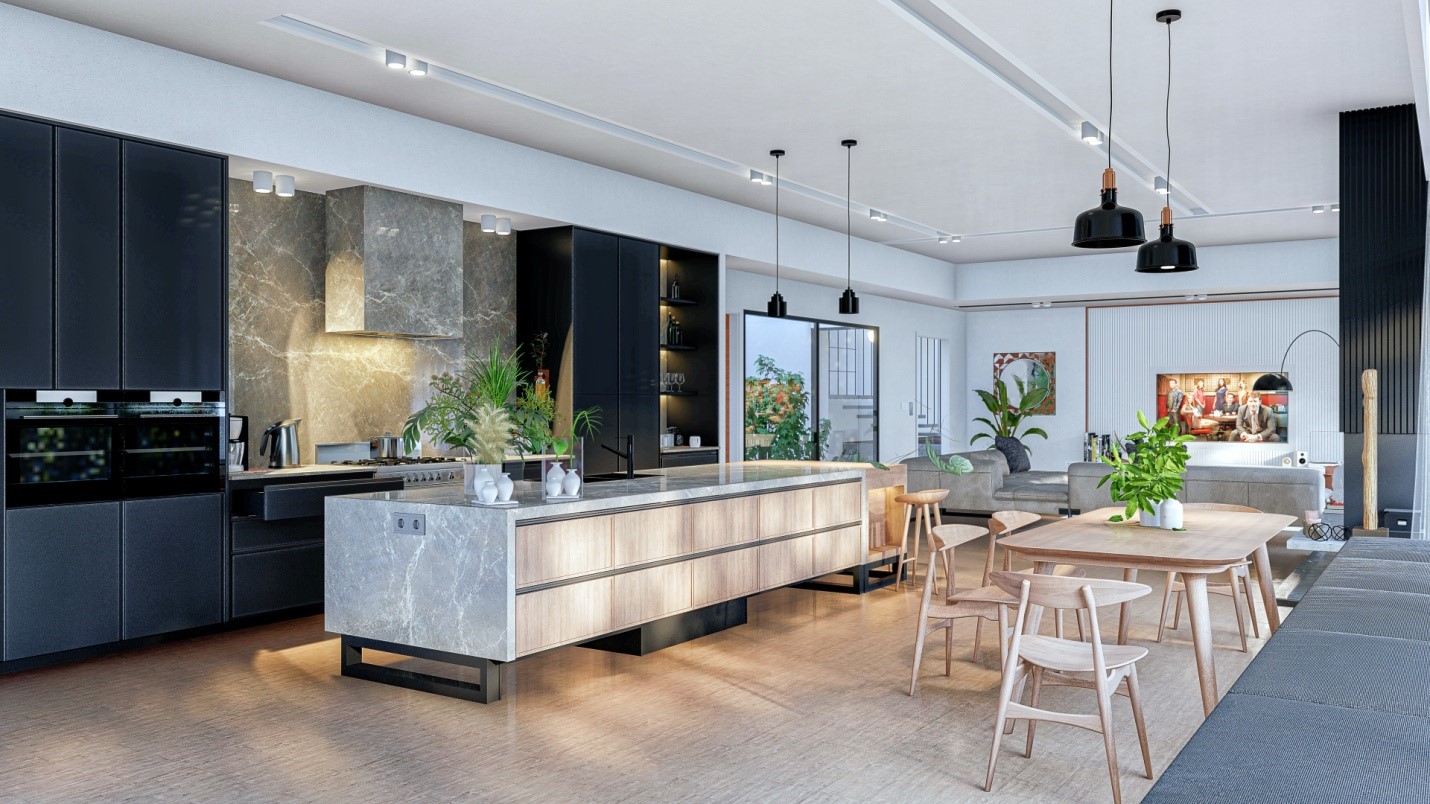
Photo by Murat Demircan on Unsplash
5 – Virtual Tours
One of the most efficient ways to experience an immersive ride of an architectural design is a virtual tour. With a virtual tour, there is a complete set of photos that are sequenced to create a video, including sound and text. Most companies provide virtual tours to allow clients to visualize their home once constructed.
Benefits Of 3D Rendering
1 – Visualize Future Projects And Changes
If the project is still in the planning stage or is unfinished, then 3D rendering can help better understand and visualize features that can enhance and improve the result. Various professionals such as architects and builders use 3D renderings to explore every possible option for their projects.

2 – Marketing
3D renderings allow potential clients to view a company’s work and understand what they can expect for their own home or office. The imagery is a superb quality and helps define an architectural project. Digital photos can’t match up to 3D renderings.
Why Should You Use Pre-Construction Renderings?
1 – Finalize The Design Faster
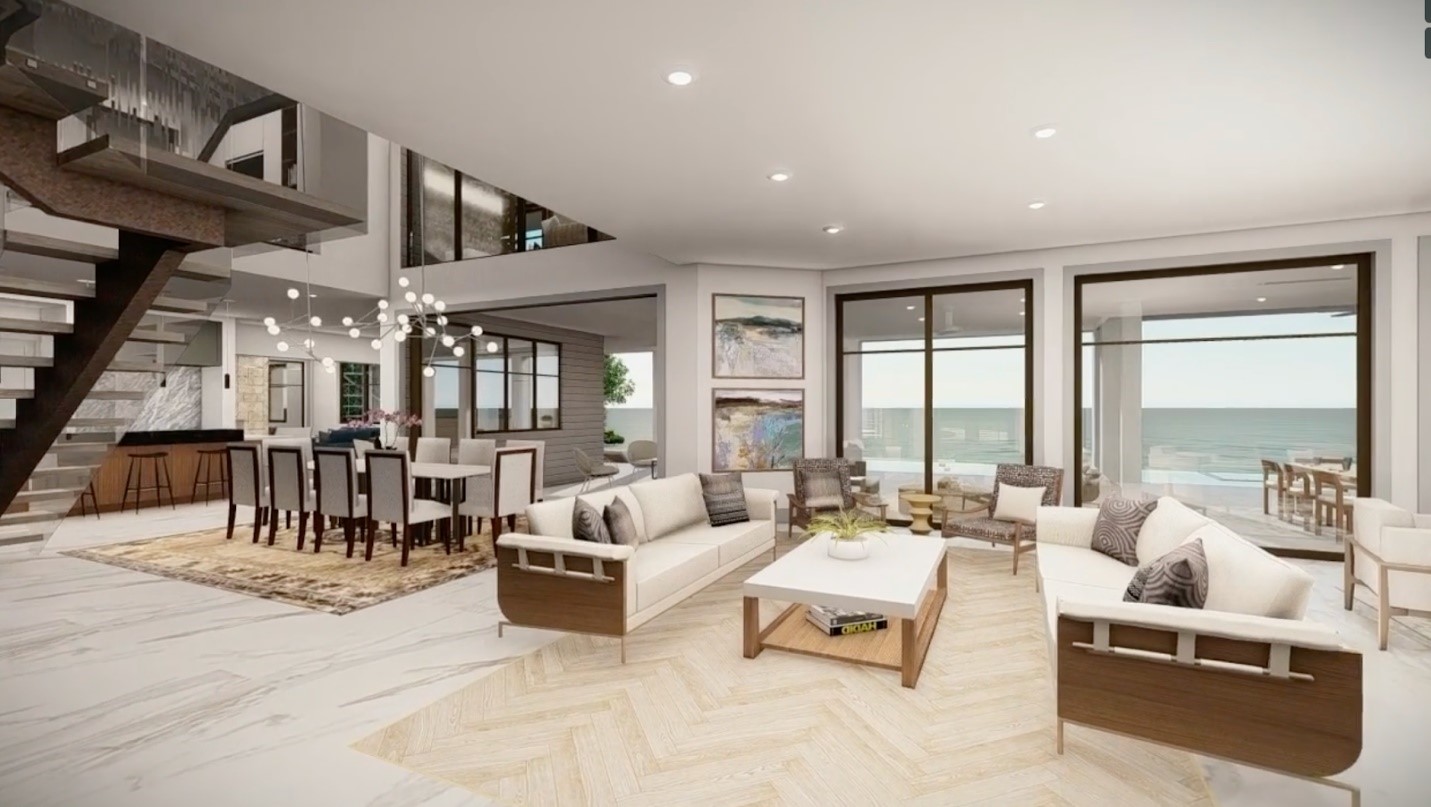
Clients aren’t likely to buy a house or build a home when they don’t like the interior and exterior design. When provided with pre-construction renderings, they are likely to move forward more quickly and confidently.
2 – Market Properties In Advance
Online marketing for a home or building can begin in advance using 3D renderings. Architects and builders can insert their logos which allows the client to see their work. It’s a good method to pair the client with an experienced professional.
3 – Sell Pre-Sale Homes Faster
In several situations, pre-sale homes are more affordable than properties that provide immediate occupancy. Most people want to buy homes that they can visualize before building. Companies use 3D interior rendering services with virtual reality to make clients make better decisions.
Factors That Determine The Quality Of 3D Renderings
1 – Lighting
A good rendering artist assures that lighting looks natural. Direct and indirect lighting, including shadows, are used to accent and dramatize an area.
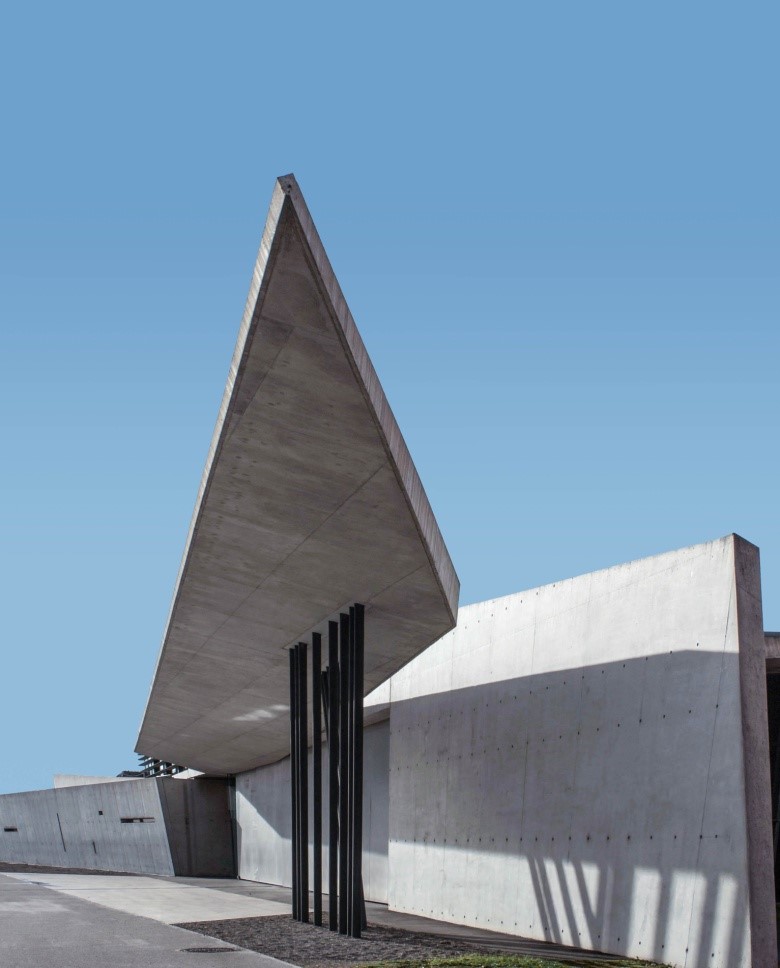
Photo by Victor on Unsplash
2 – Angles
Angles of the 3D rendering should be positioned properly, just like photographs. They should accent the design lines of the project to draw attention to important features.
3 – Level Of Detail
The detail of 3D renderings should appear realistic. It should give the viewer a sense of proportion and include features of space, color, light, and texture.
Kitchen countertops are a good example. Are the patterns of the marble and granite visible in the renderings? Can you almost feel the texture by looking at the picture? These are factors and details that make renderings appear natural and professional.
Importance Of 3D Renderings For Exterior Design
1 – Conveying Your Vision More Easily
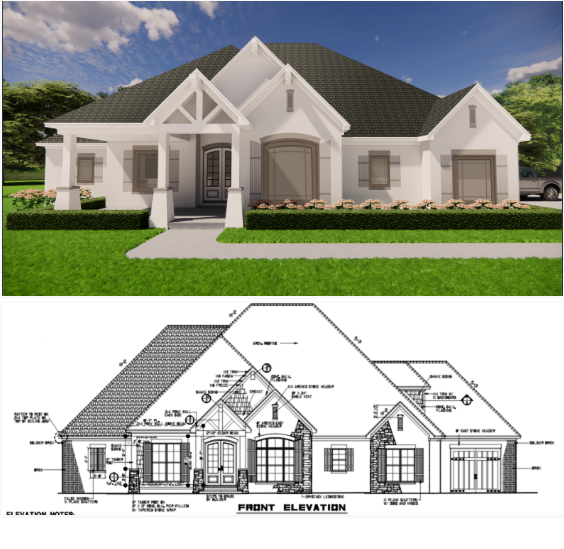
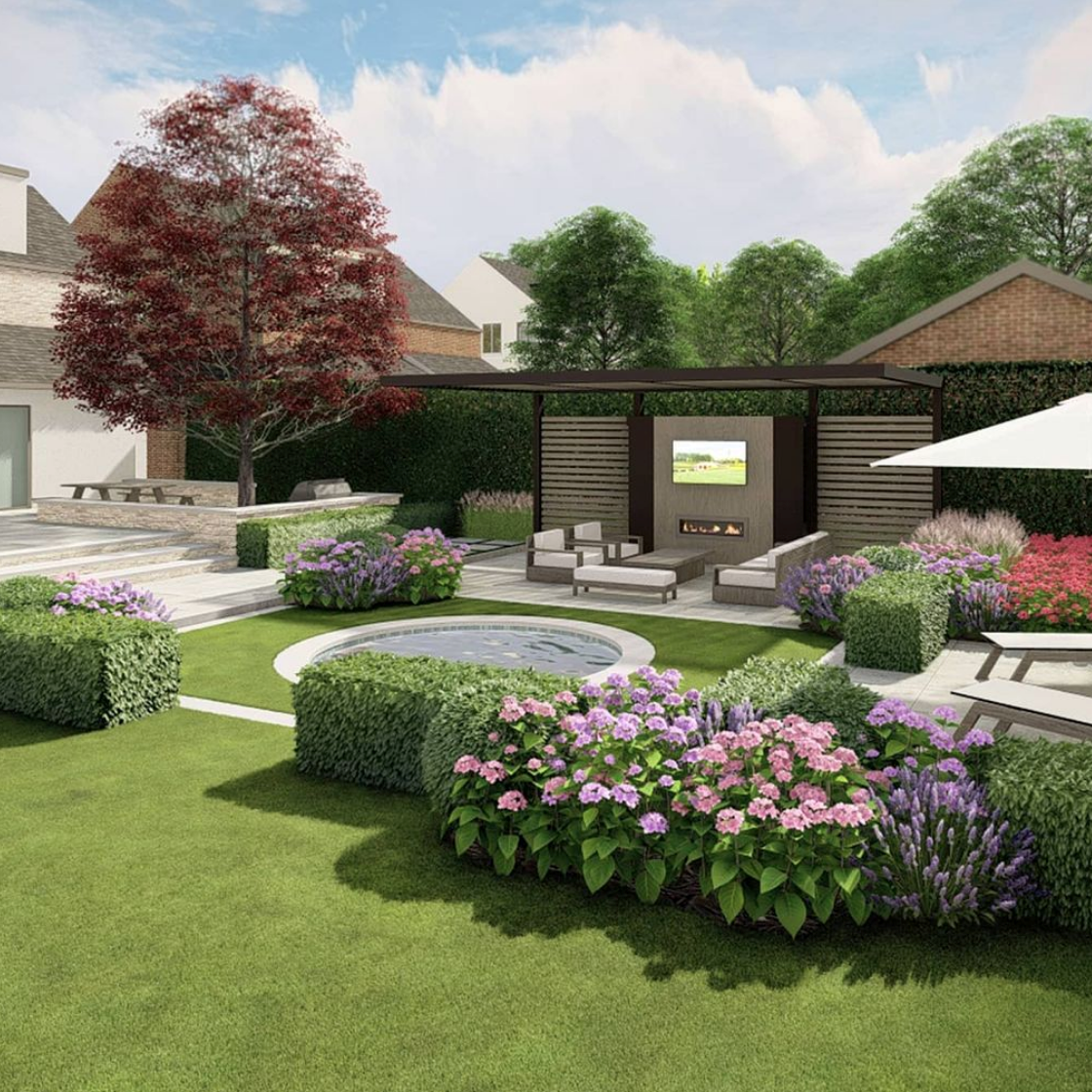
Compared to 2D sketches, 3D renderings don’t leave any room for misunderstanding between the architect and client. The renderings clearly demonstrate what the end result will be. The 3D artist incorporates every minute detail of the design into their renderings so that the photorealistic images don’t need further explanation.
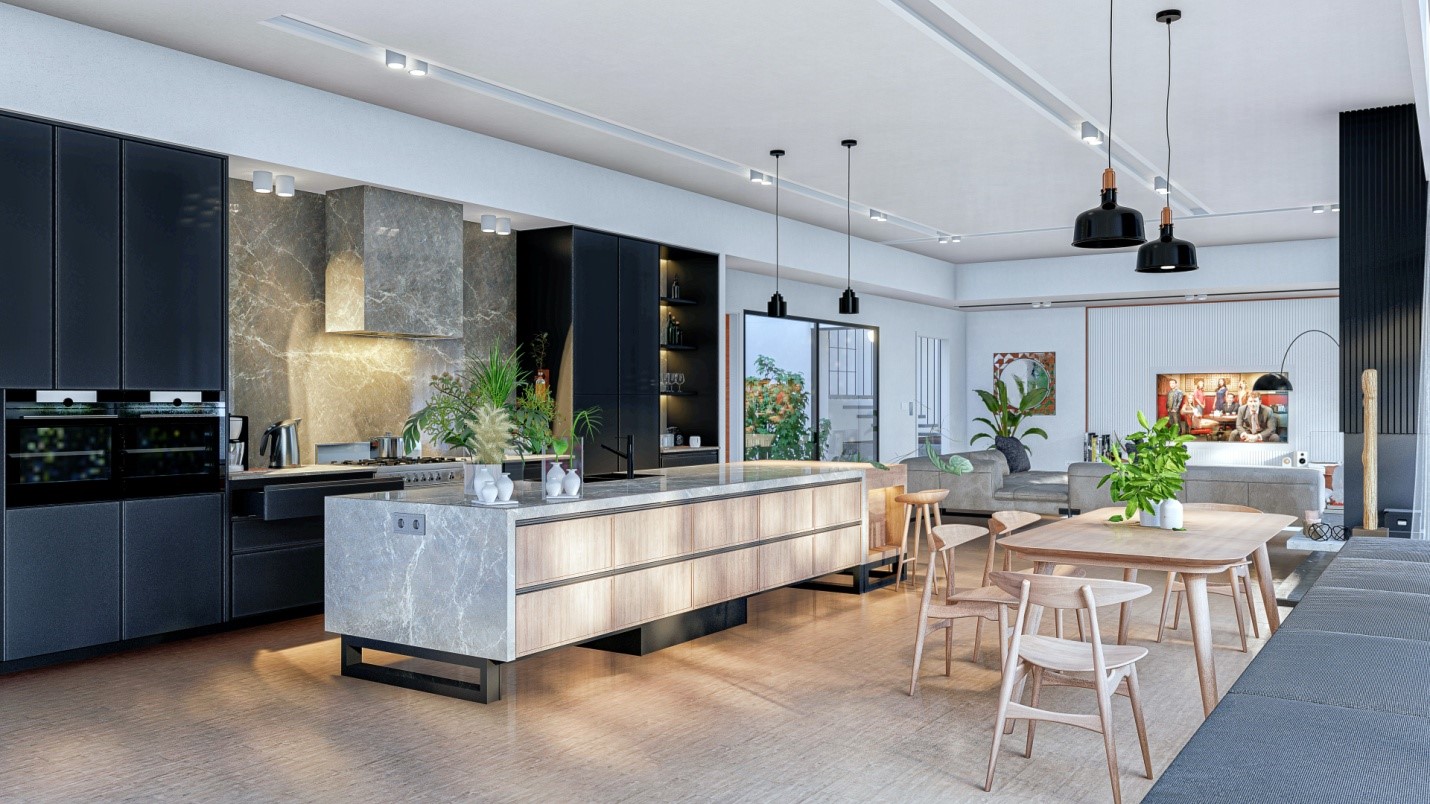
Photo by Murat Demircan on Unsplash
2 – More Insightful Feedback
Feedback from the clients at the beginning of the project allows input about their preferences and defines expectations. Communication is enhanced from the start, leading to a smoother, seamless project. Providing 3D renderings can help clients understand the difference between a great exterior design and an average one.
3 – Using Your Work To Market Yourself
Architectural and building companies who want to stand out from their competition use 3D renderings to market their projects and expertise. It’s a talent that requires investment in staff and equipment. A company that wants to provide a professional experience to their clients takes the extra steps to provide 3D technology.
4 – Better Overview Of The Design
2D images aren’t completely realistic. 3D renderings allow the client to visualize the actual design, including small details. 3D designers can inspect the building from every possible angle. Changes can be made quickly so that work flows smoothly and the project is completed in a timely fashion.
5 – Easily Predicting The Project’s Look And Feel
Since 3D renderings produce realistic exterior designs, the final appearance of the building can be visualized before work begins. This includes the orientation of the building on the property and even within the neighborhood. The designer can determine if the structure of neighboring buildings will block natural light or important views. The orientation of the building can be changed accordingly.
6 – Recognizing And Fixing Mistakes Is Easy
3D renderings for exterior designs give the construction team a clear roadmap for execution of the work. Mistakes can be avoided by using the 3D renderings for design construction and material placement.
Get Rendering!
3D renderings can be valuable to both customers and professionals. An experienced 3D renderer will create designs to help the client realize the potential of their home or office. Visit Dzinly.com to see your new construction project come to life or see your existing home with new materials and colors!
Discover more tags
Popular Posts
View All-

Emerging Trends in Home Construction and Renovation
Image source In the dynamic world of home construction and renovation, staying updated with the latest trends is essential for homeowners, builders, and designers. As we move deeper into 2024, several innovative trends are emerging, driven by technological advancements, sustainability concerns, and evolving aesthetic preferences. This blog will explore these trends, providing insights into what’s […]
-
Best Practices for Client Communication and Project Management
Image Source For design and construction, effective client communication and project management are key pillars that can make or break a successful project. From understanding client needs to delivering a finished product, every step requires clear communication and efficient management. Here are some best practices to ensure a smooth and successful journey from project initiation […]
-
Why Isn’t Your Listing Selling? Actionable Steps for Real Estate Agents
Selling a home should be a smooth process, but sometimes listings sit on the market longer than expected. If a property isn’t generating interest or receiving offers, identifying the root cause is crucial. Here are common reasons why homes struggle to sell and actionable steps real estate agents can take to turn things around. Overpricing […]
-
The Impact of Weather and Climate on Building Projects: What You Need to Know & How to Manage It
When it comes to building projects, weather and climate are often overlooked factors that can significantly impact everything from timelines to budgets. Whether you’re constructing a new home, renovating a commercial property, or working on any kind of building project, understanding how the elements affect your plans is crucial for a successful outcome. In this blog, we’ll explore how weather and climate influence construction and offer practical solutions to manage these challenges.