

Bella Baldwin
October 27, 2022Is Your Home Ready for Fall? Fall Maintenance Projects to Check Off Your List
How to prepare your home for winter months with this list of 10 of the most important home maintenance projects!
Now that the season is changing, it is time to make sure your house is ready for colder days and nights. Fall is a busy season when it comes to exterior home maintenance, but it is also a good time to take advantage of the weather before the first frost sets in. The start of fall is the perfect opportunity to perform routine maintenance on your home before the winter months hit. Most of the items on our fall maintenance checklist are easy DIY projects that will keep your home in peak condition through the winter.
Lawn Maintenance
Sure, the grass is not growing as quickly as it does during the summer months, but it is still growing. Many areas of the country experienced an unusually dry summer this year, so it is important to continue to water the lawn as well as fertilize it with a high phosphorus mix.
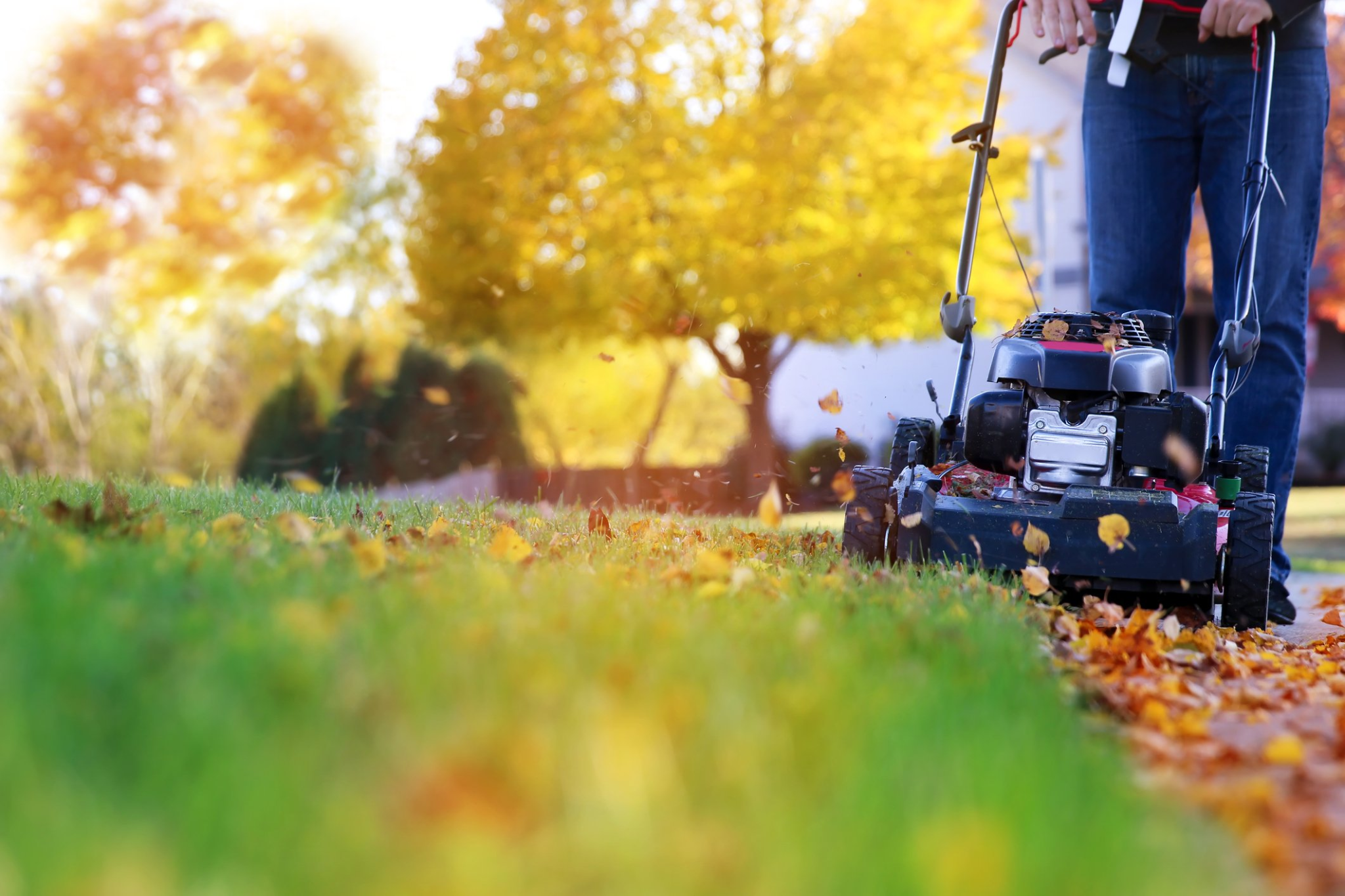
While falling leaves look beautiful on the ground, they should be cleared from the lawn, so they do not get stuck under a layer of snow and inhibit spring growth. Reseed any dead areas from dry summer conditions, and plant spring flowering bulbs.
If you have trees on your property, check for signs of poor health particularly after the dry summer. An arborist can help spot signs of tree decline and prevent loss of the tree. They can also help prune properly before winter storms.
It is important to drain garden hoses and put them back inside and shut off outdoor water valves so there is no chance that they freeze and break any pipes. This is also a good time to put away any summer decorations or planters and clean and store garden tools.
Check Windows and Doors
There are a few signs that the windows and doors need maintenance. Before the cold weather starts, check the windows and doors for air leaks around the frame and whether or not they are opening and closing as smoothly as they should be. You can easily do this by running your hands across the frame of the windows. If you feel a draft, the weatherstripping around the doors and windows may need to be replaced. This will help keep the heat inside your house and the cold air out. Minor leaks can be fixed easily by caulking around gaps, adding or updating the weatherstripping and using a foam sealant for additional insulation.

Heating and cooling the house account for about half of the energy costs of your home, but proper sealing and insulation can save up to 20% on heating costs. This will save money on your monthly heating bill and is one of the least expensive fall maintenance projects. In the case of a damaged window seal, it pays to repair it. The cost is about $70-1$120 but still much cheaper than replacing the entire window or door.
Maintain Your HVAC System
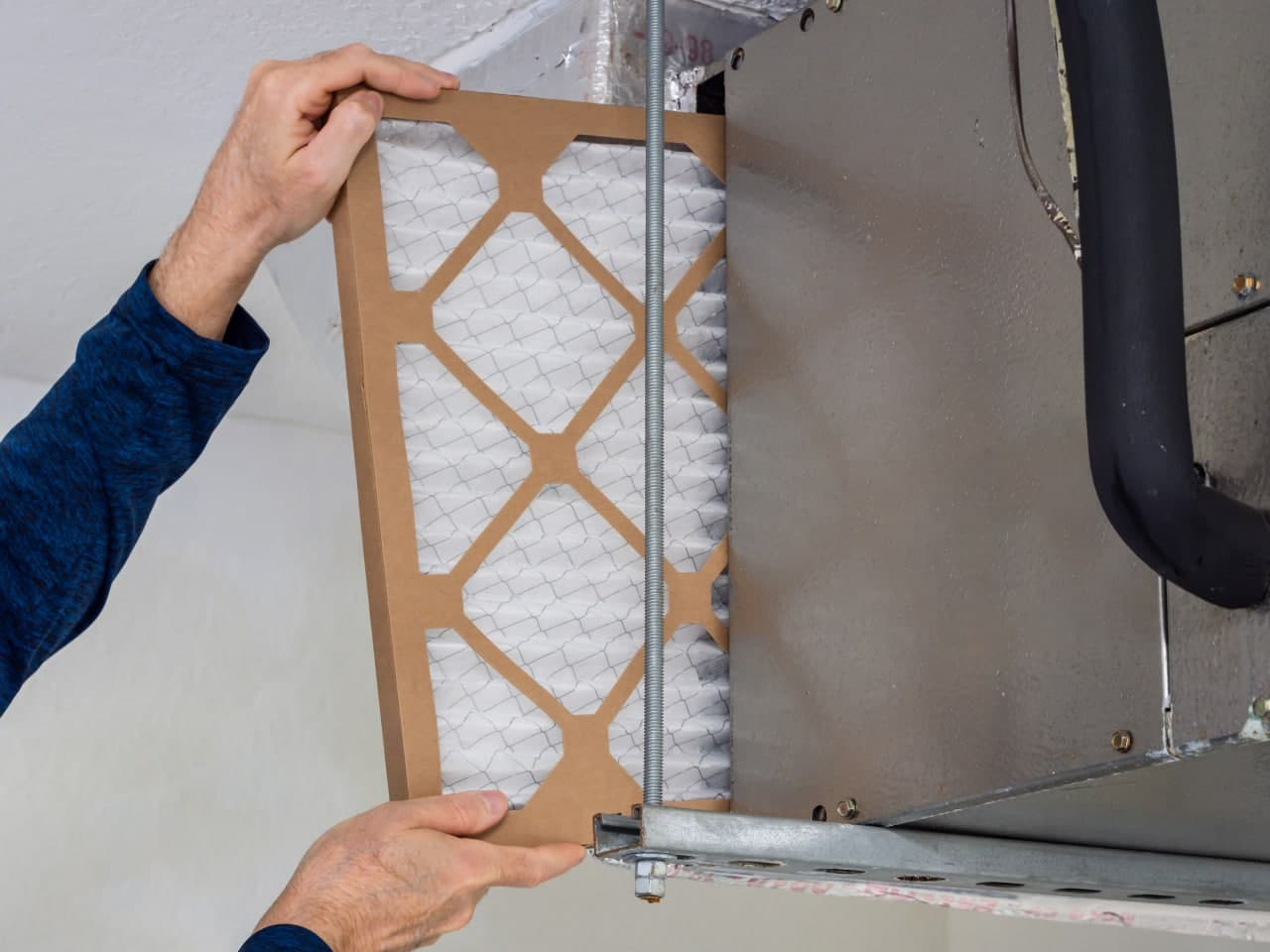
The day when it goes below 40 outside is not the time to turn the heat on for the first time all season. Your home’s HVAC system is how your home stays warm in the winter so make sure it is operating optimally before the cold weather arrives. Change the air filter in your furnace and make sure it is working properly. A clogged air filter can make your furnace work harder than it needs to. The air filter should be changed every month or two during the winter. An HVAC contractor can perform a heating system tune up and test the output of the system, as well as check for hazardous carbon monoxide levels. Heating ducts should also be inspected and cleaned.
If you need to, invest in a new thermostat. A programmable thermostat can help to lower energy costs throughout the winter months by leaving the heat at a set level during certain times of the day and night.
Clean the Chimney
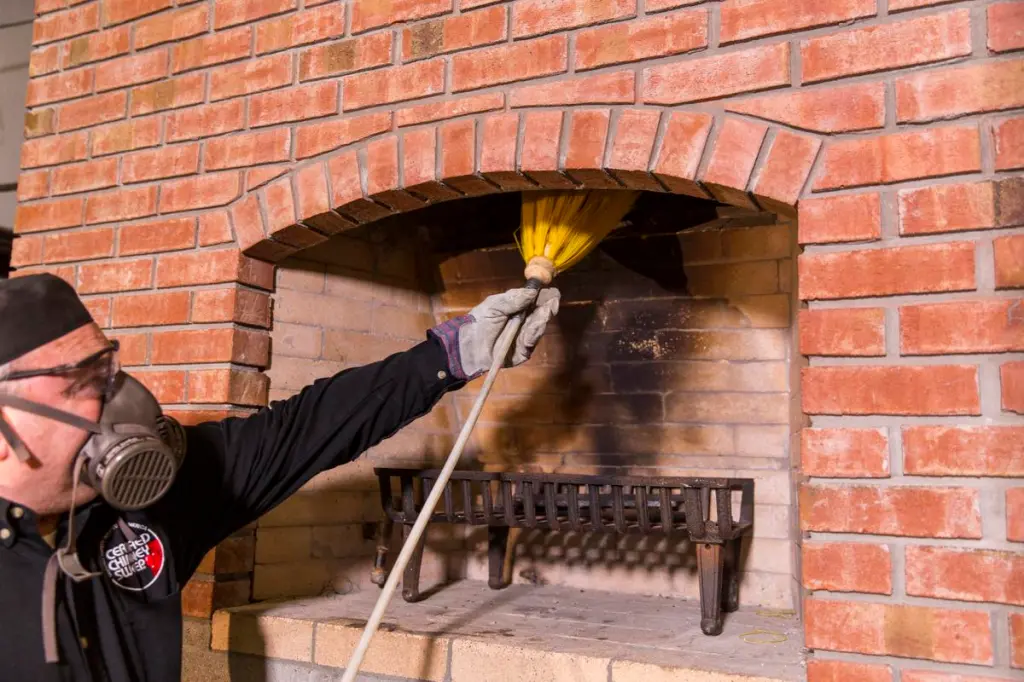
If your home has a fireplace, it should have a yearly cleaning and inspection. A clean fireplace will remove creosote, the tar and toxins given off by the burning wood. Plus, this cuts down on the risk of an accidental fire. If you have not cleaned your chimney in a long time (or ever!) it is recommended that you have a professional do it. This is also a good time to make any necessary repairs to the chimney. Be sure to add a chimney cap if your house does not already have one, as it will stop animals from crawling down your chimney in search of warmth.
Inspect and Repair the Roof
The roof is your home’s first layer of protection against cold weather and the snow and ice. Before the colder months come, make sure it is in good shape. Inspect the roof for missing or damaged shingles. Winter weather like ice, snow, and high winds combined with changing temperatures can negatively affect a roof.
Damage to the shingles can let in not only cold air but also moisture which can cause bigger problems down the road like deterioration to the wood, insulation, and drywall. It’s better to deal with any repairs proactively than to have a leaky roof during a winter storm.
Clean out the Gutters
The gutters on a home get easily clogged during the fall as branches, twigs, leaves, and other debris get stuck in them. Clogged gutters are one of the major causes of damage due to ice dams, which can cause water to go under the shingles and into the home. After the leaves come off the trees, clean out the gutters and downspouts from any debris, flush them with water and tighten the joints and brackets if needed.
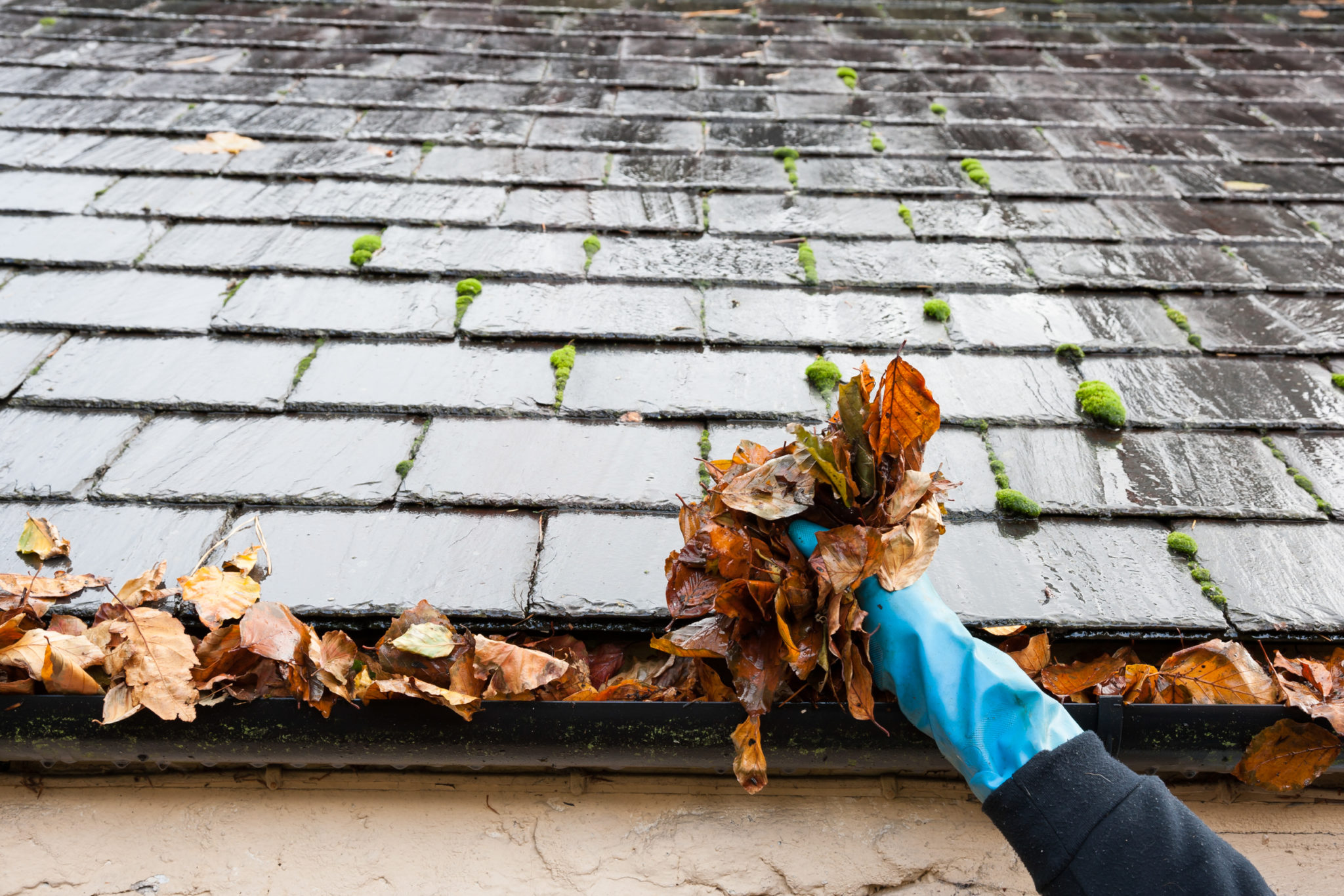
Old or damaged gutters and downspouts should be replaced with ones that have built-in leaf guards. It is best to fix gutters quickly before the moisture enters and freezes which could lead to complications when it melts in the spring.
Check on Water Drainage
After you have finished cleaning out the gutters, check on where the water drains when it rains. Water that pools around the outside of the home can cause big problems throughout the cooler months. The buildup of ice at the base of the home can create cracks and leaks in the siding and foundation that might not be apparent right away if covered under a layer of snow. If not caught right away, they can create significant damage. Rerouting water drainage away from the house’s foundation can help to protect the siding and basement walls from cracks and leaks. This can prevent larger damage from winter storms.
Clean out Window Wells
Window wells provide an emergency exit from the basement of your home, but it also allows natural light into the basement. In the fall, make sure your window is in good condition so that the yard does not collapse into the basement window well. Make sure it is clean from leaves and debris so there is no water damage to the basement area. The bottom of the window well usually has gravel with a drain underneath that helps lead water away from the foundation and into the yard where it slopes, and gravity can pull excess water from the property.
When the window well fills with leaves, dirt, twigs, and other debris, the drainage system will not work properly and with a significant amount of rain, there could be a buildup of water. This can be prevented by maintaining your window well so that it can handle winter storms as well as melting snow after the season.
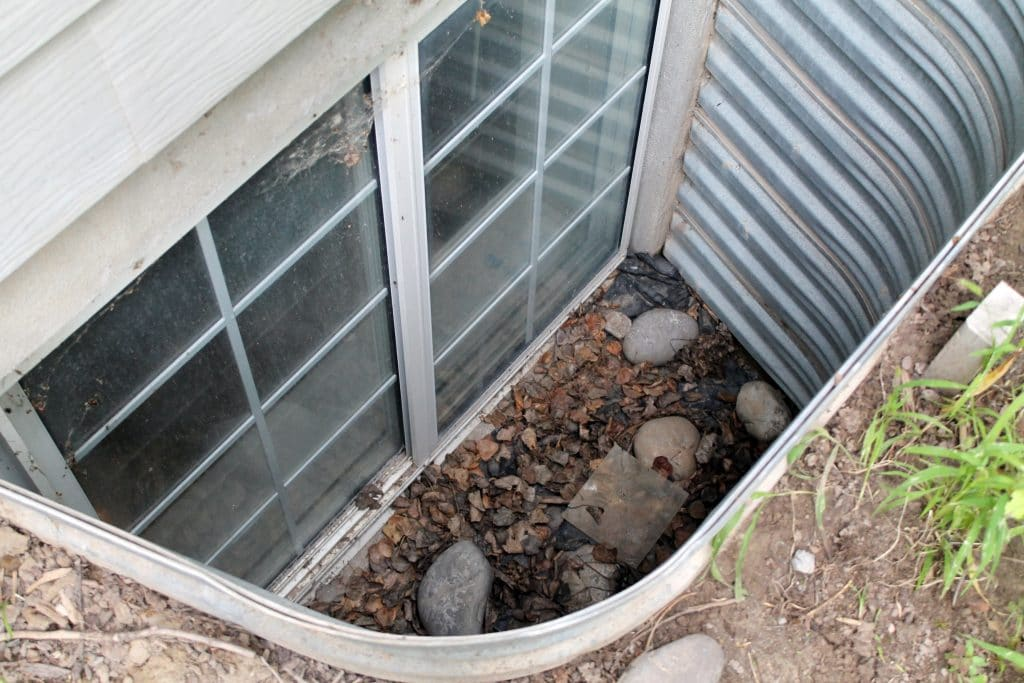
While you are maintaining your window well, it is also a good time to examine the foundation for any cracks or damage that should be repaired with caulk.
Winterize Your Sprinkler System
If your home has a sprinkler system, it should be winterized for the colder weather. Whether it is above ground or below ground, the sprinkler system can burst in cold weather. Draining the sprinkler system will prevent buried pipes from bursting and keep sprinkler heads from cracking.
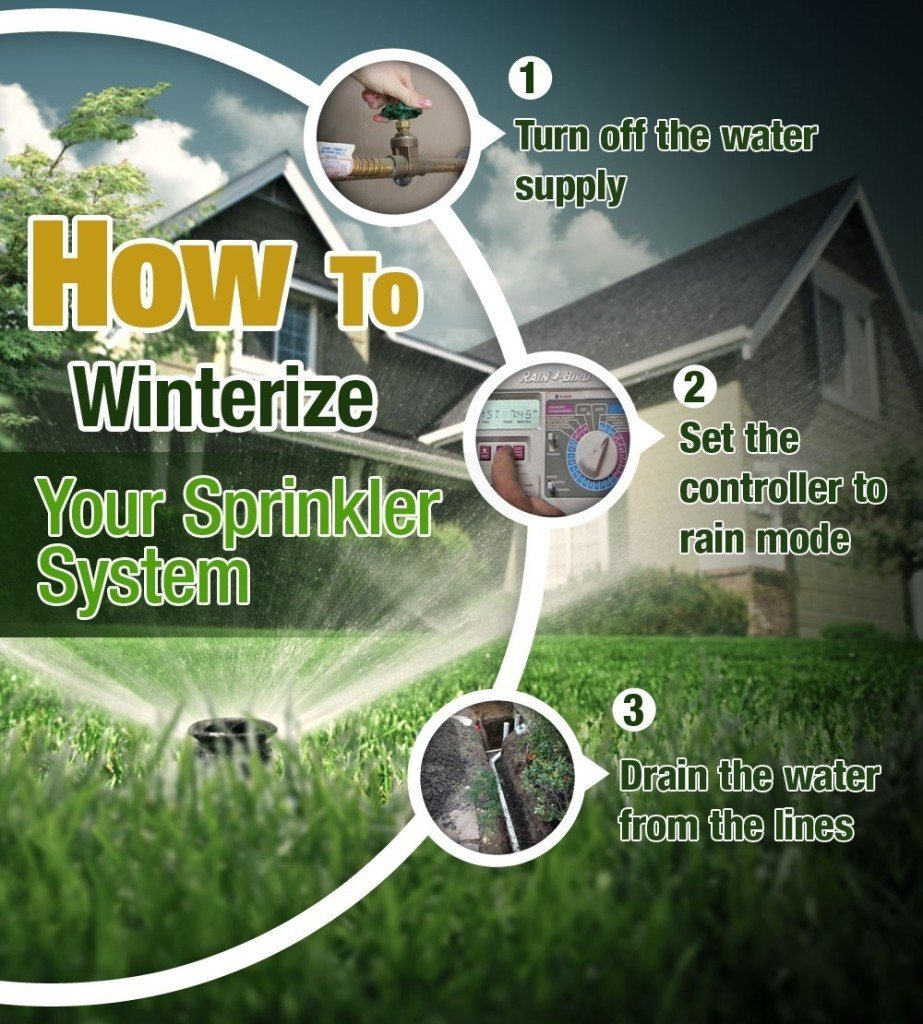
Depending on the type of sprinkler system, you may need to hire a professional to blow out the lines with compressed air. The cost of having this done is much less expensive than the cost of replacing broken lines and sprinkler heads.
This is also a good time to examine the foundation for any cracks or damage that should be repaired with caulk.
Clean Dryer Vents
It’s not something that we think to do often, but cleaning dryer vents is important to the safety of your home. The buildup of lint in your clothes’ dryer vents can make this appliance less efficient and can even cause a fire. The cooler, dryer weather that comes with fall increases static electricity which can cause lint that has collected to catch fire. You can clean it out yourself by unplugging the dryer, shutting off the gas and using a vacuum attachment or lint brush to clean out the hose behind the dryer. There are also duct cleaning specialists that can perform this task. This fall maintenance project will ensure that your dryer continues to work optimally.

Get Your House Ready This Fall
Preparing your house for the colder months takes a little more time than daily house maintenance but is essential to keeping your home in good condition as well as preventing larger issues during the winter months. Fall is the perfect time to improve your home’s energy efficiency. Dzinly.com can help you decide which projects are the most important to complete for your home to increase the energy efficiency of your house.
Discover more tags
Popular Posts
View All-

Emerging Trends in Home Construction and Renovation
Image source In the dynamic world of home construction and renovation, staying updated with the latest trends is essential for homeowners, builders, and designers. As we move deeper into 2024, several innovative trends are emerging, driven by technological advancements, sustainability concerns, and evolving aesthetic preferences. This blog will explore these trends, providing insights into what’s […]
-
Best Practices for Client Communication and Project Management
Image Source For design and construction, effective client communication and project management are key pillars that can make or break a successful project. From understanding client needs to delivering a finished product, every step requires clear communication and efficient management. Here are some best practices to ensure a smooth and successful journey from project initiation […]
-

Why Isn’t Your Listing Selling? Actionable Steps for Real Estate Agents
Selling a home should be a smooth process, but sometimes listings sit on the market longer than expected. If a property isn’t generating interest or receiving offers, identifying the root cause is crucial. Here are common reasons why homes struggle to sell and actionable steps real estate agents can take to turn things around. Overpricing […]
-

The Impact of Weather and Climate on Building Projects: What You Need to Know & How to Manage It
When it comes to building projects, weather and climate are often overlooked factors that can significantly impact everything from timelines to budgets. Whether you’re constructing a new home, renovating a commercial property, or working on any kind of building project, understanding how the elements affect your plans is crucial for a successful outcome. In this blog, we’ll explore how weather and climate influence construction and offer practical solutions to manage these challenges.