

Bella Baldwin
October 20, 2023Exploring Exterior Cladding: Comparing the Pros and Cons of Various Materials
Exploring Exterior Cladding: Comparing the Pros and Cons of Various Materials. Examine the pros and cons of popular exterior cladding materials, including brick, stone, wood, stucco, vinyl, fiber cement, and metal panels. Use our guide to help pick out the best materials suited for your clients' needs and simplify every project!
Brick
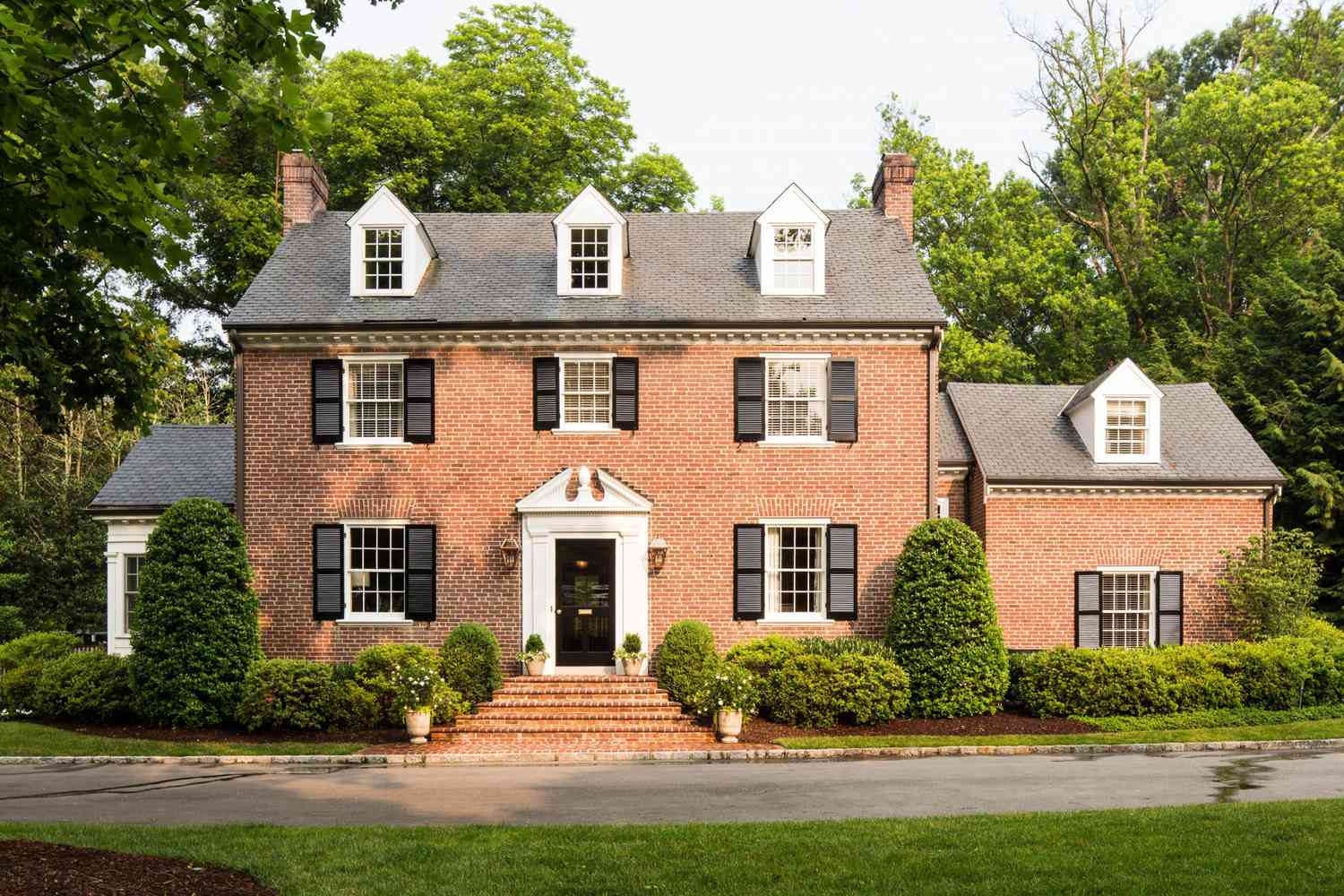
| Pros Timeless Aesthetic: Brick cladding provides a classic and timeless look that works well with various architectural styles. Durability: Bricks are highly durable and can withstand harsh weather conditions, including rain, wind, and temperature fluctuations. Low Maintenance: Bricks require minimal maintenance, typically needing only occasional cleaning to maintain their appearance. Fire Resistance: Bricks are fire-resistant, contributing to the safety of the structure. Sound Insulation: Bricks offer good sound insulation properties, helping to reduce noise transmission from outside. Recyclable: Bricks are easily recycled and reused. | Cons Cost: Brick cladding can be relatively expensive, both in terms of material cost and installation. Limited Design Flexibility: While bricks come in various colors and sizes, they may not offer the same level of design flexibility as other materials. Installation Time: Installing bricks can be time-consuming, which can lead to increased labor costs. Environmental Concerns: Brick production can have environmental impacts, including high energy consumption and greenhouse gas emissions. |
Stone
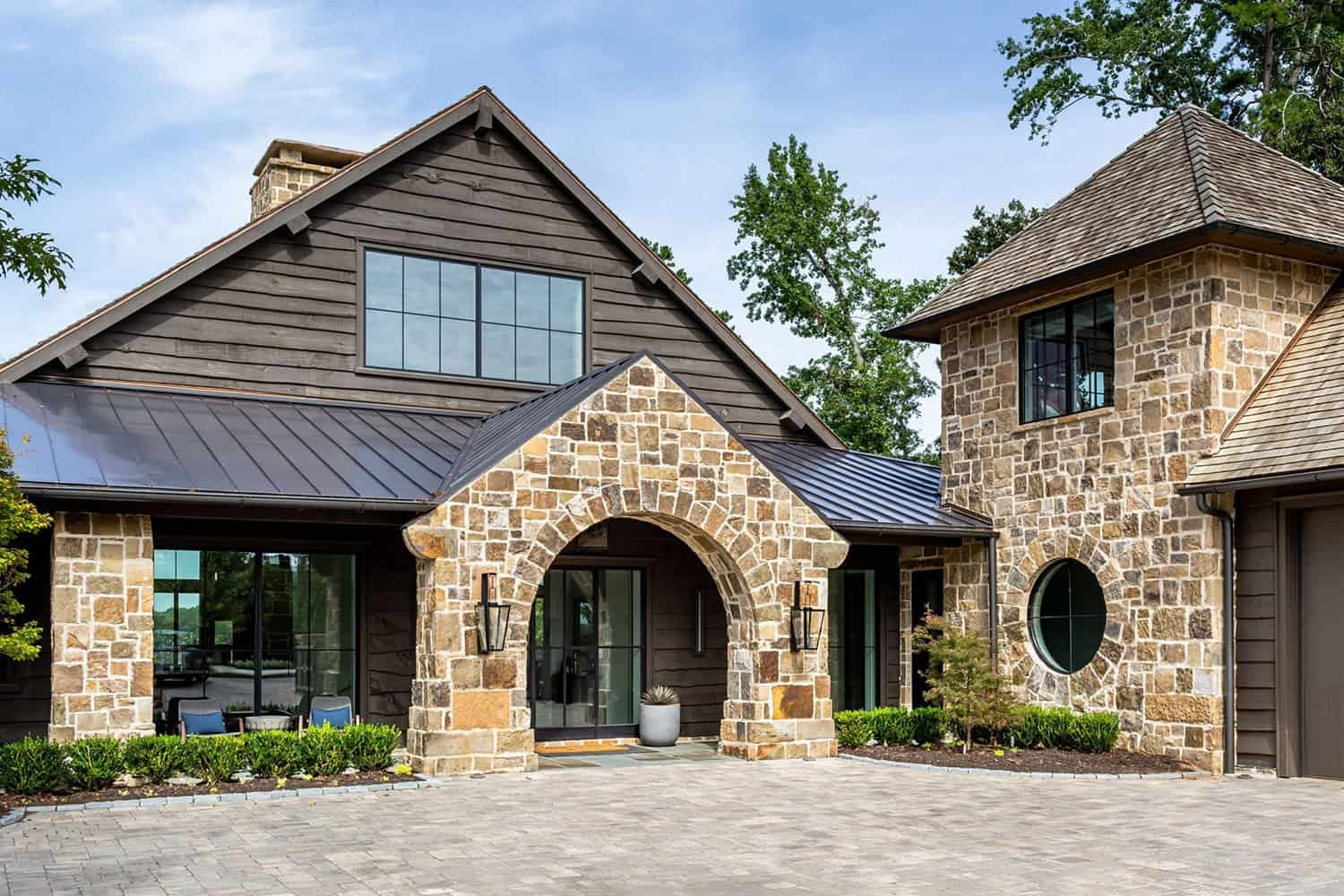
| Pros Natural Beauty: Stone cladding exudes natural beauty, adding elegance and a sense of luxury to a structure. Durability: Natural stone is exceptionally durable and can last for generations. Variety: Stone cladding comes in a wide range of colors, textures, and types, allowing for diverse design options. Low Maintenance: Like bricks, stone cladding requires minimal maintenance and can be cleaned periodically to maintain its appearance. Fire Resistance: Natural stone offers excellent fire resistance. Insulation: Stone is an excellent insulator, reducing other costs like heat and cooling in the long run. | Cons Cost: Stone is often one of the more expensive options due to the cost of the material and installation. Weight: Natural stone is heavy, which can require additional structural support and increase installation complexity. Installation Expertise: Proper installation of stone cladding requires skilled labor, adding to the overall project cost. Environmental Concerns: Quarrying and transporting natural stone can have negative environmental impacts. Maintenance: Stone is difficult to repair when damaged, and susceptible to bacterial and fungal growth |

Stone and brick cladding are timeless symbols of tradition and dependability, offering lasting beauty and performance for generations to come. When deciding between brick and stone, consider your budget, design preferences, and the environment. If you choose to combine both materials, be mindful of colors, textures, and placement to achieve a cohesive exterior look without overwhelming complexity.
Wood
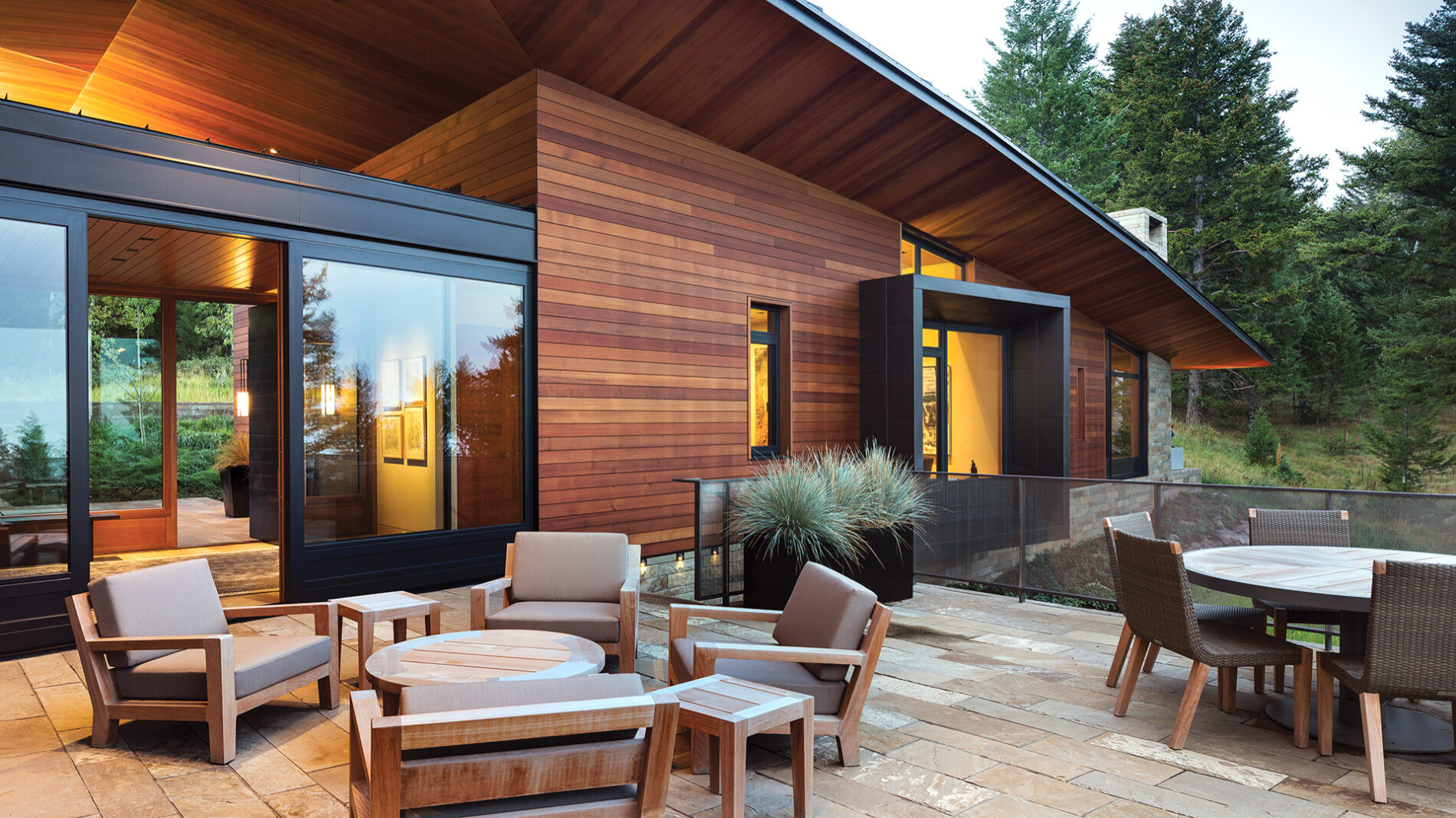
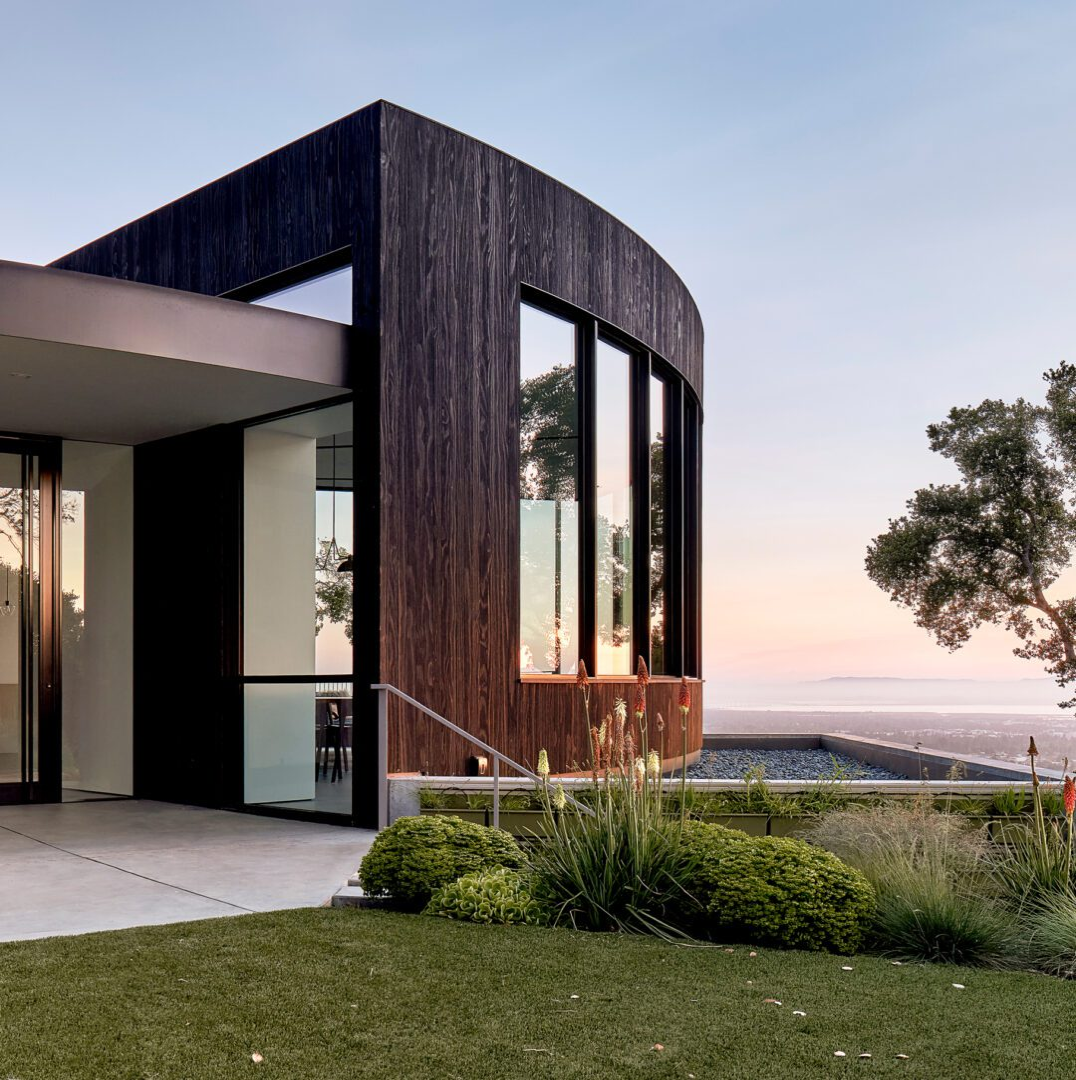
| Pros Natural Aesthetic: Offers a warm and organic appearance. Versatility: Can be stained or painted for various design styles. Durability: Wood cladding has high impact resistance. Insulation: Provides decent insulation for energy efficiency. Eco-Friendly: Sustainable sourcing and biodegradability make it environmentally friendly. | Cons Maintenance: Requires regular sealing and staining to prevent weathering and insect damage. Cost: Can be relatively expensive, and installation costs may vary. Vulnerability: Susceptible to moisture-related issues like rot if not properly maintained. Stability: Wood Cladding is not as stable as other claddings as it expands and contracts with changing seasons. Fire Risk: Poses a fire hazard, necessitating additional fire-resistant measures in some areas. |
Wood cladding is a time-honored choice known for its natural beauty and versatility. Its aesthetic appeal and insulation properties make it a favored option, but the need for regular maintenance and considerations of cost and vulnerability should not be overlooked. Its eco-friendly aspects, including sustainable sourcing and biodegradability, add to its appeal for those who value environmental consciousness in construction choices. When deciding on wood for your home’s cladding, be sure to consider recycled wood for a beautiful and unique rustic look.
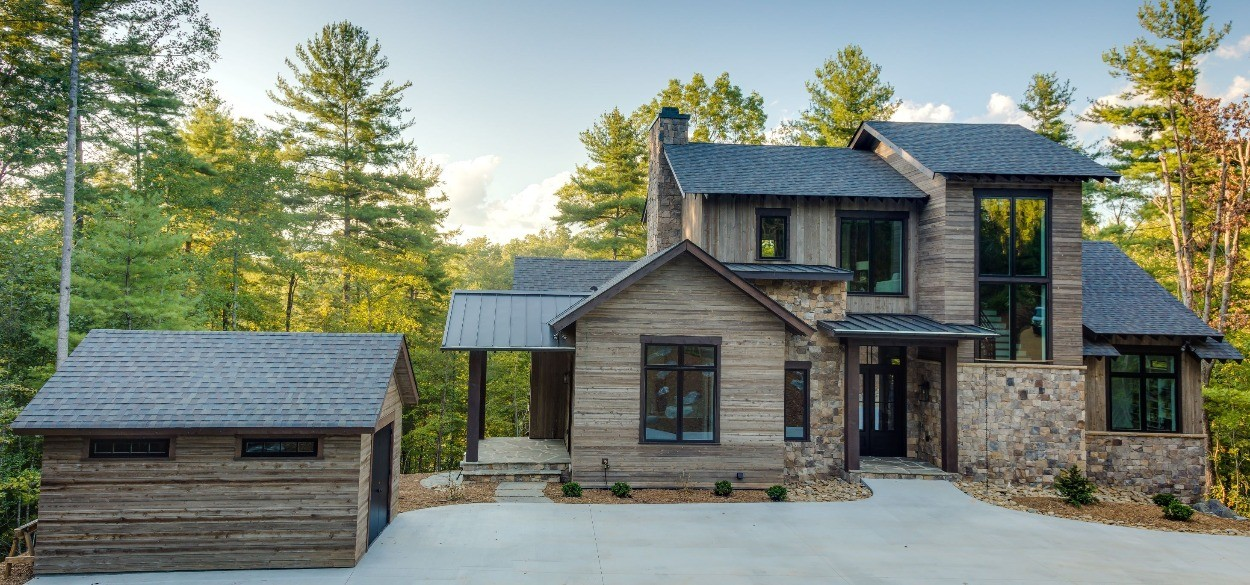
Dzinly’s Favorite Wood Cladding Brands:


Quality Edge Advantage Lumber Delta Millworks
Stucco
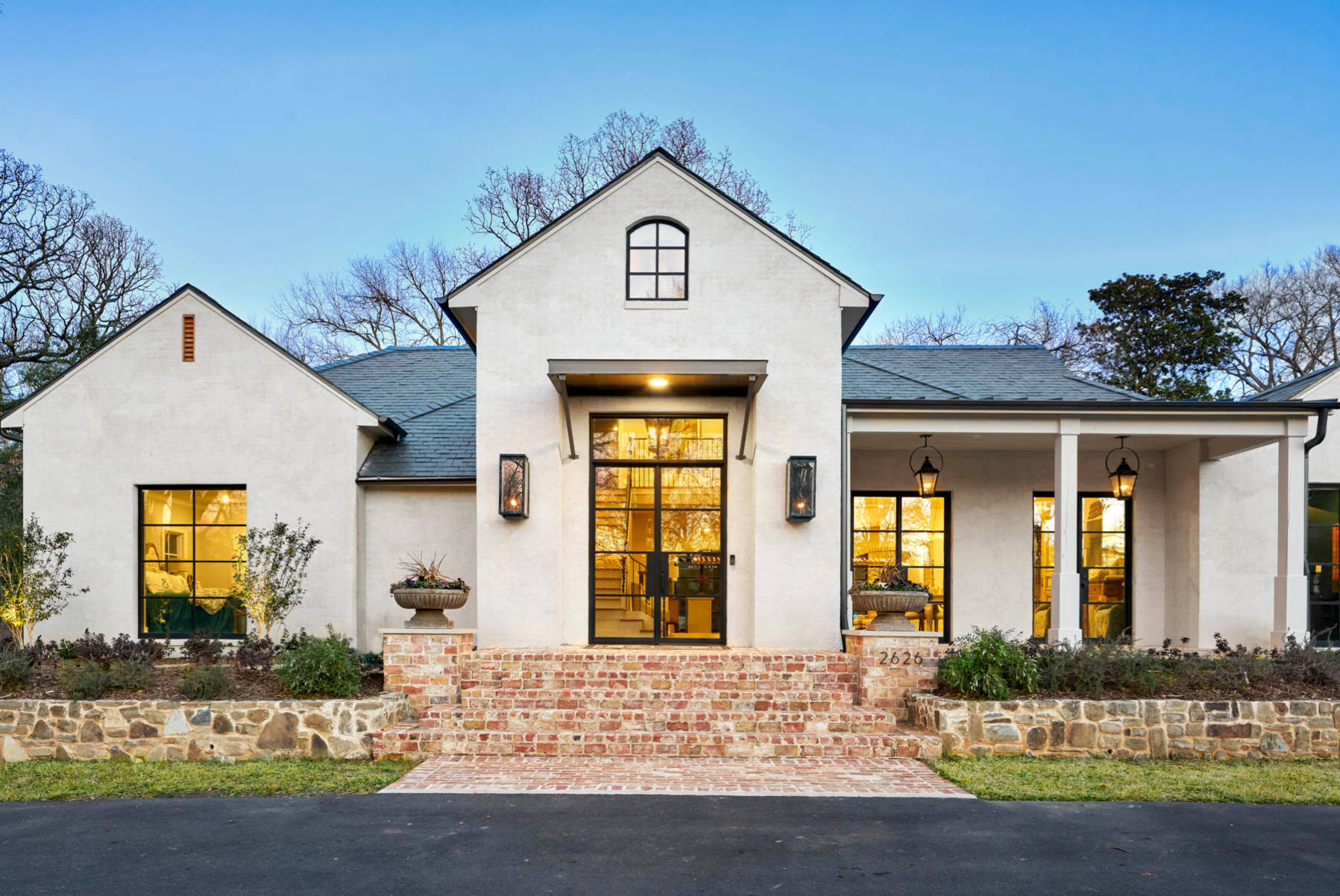
| Pros Aesthetic Appeal: Offers a smooth, clean, and versatile appearance. Cost: Stucco is traditionally made out of cement, water, and sand, making it relatively low-cost. Durability: Resistant to weather, pests, and fire when properly applied. Energy Efficiency: Enhances insulation and energy efficiency. Low Maintenance: Requires minimal upkeep and repainting. Variety: Stucco comes in a wide variety of colors and textures | Cons Cracking: Prone to cracking over time, requiring periodic maintenance. Limited Design Flexibility: Not as versatile in design as some other materials. Moisture Sensitivity: Improper application can lead to moisture-related issues. Stucco is also prone to cracking when applied in areas with large temperature fluctuation. |
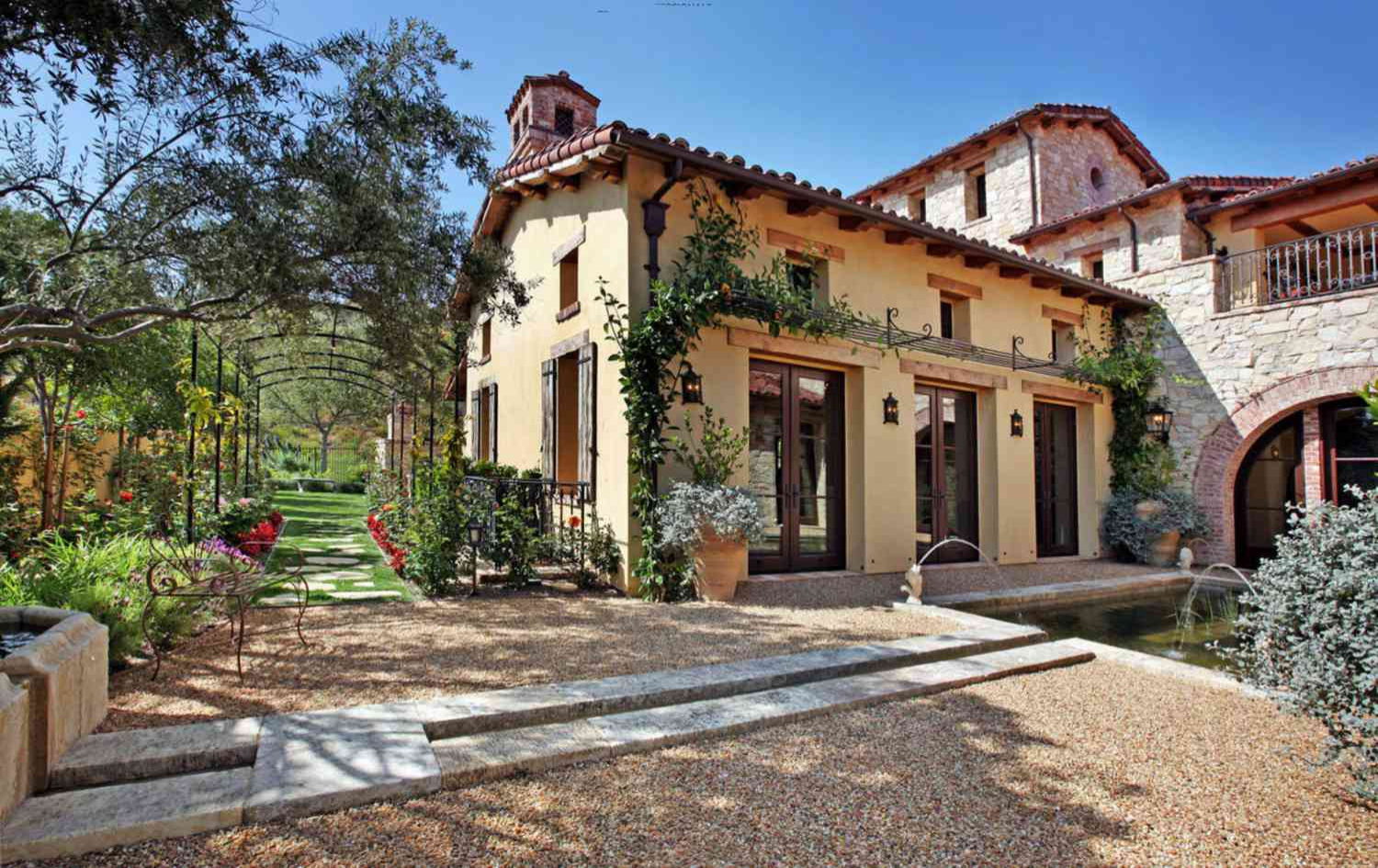
Stucco, known for its sleek and clean appearance, is a versatile cladding material that offers unique design advantages, making it suitable for a wide range of architectural styles. Its smooth texture and clean lines lend themselves well to contemporary and modern designs, where a minimalist aesthetic is desired. Additionally, stucco is a hallmark of Mediterranean and Spanish architecture, where its elegant and timeless look complements the warmth and vibrancy of these styles. Beyond these styles, stucco can adapt to other design variations, providing a neutral canvas that can be customized with various paint colors and textures to suit individual preferences. Its ability to enhance both the traditional and the contemporary makes stucco a favored choice for homeowners and designers seeking a versatile and visually appealing exterior cladding option.
Vinyl
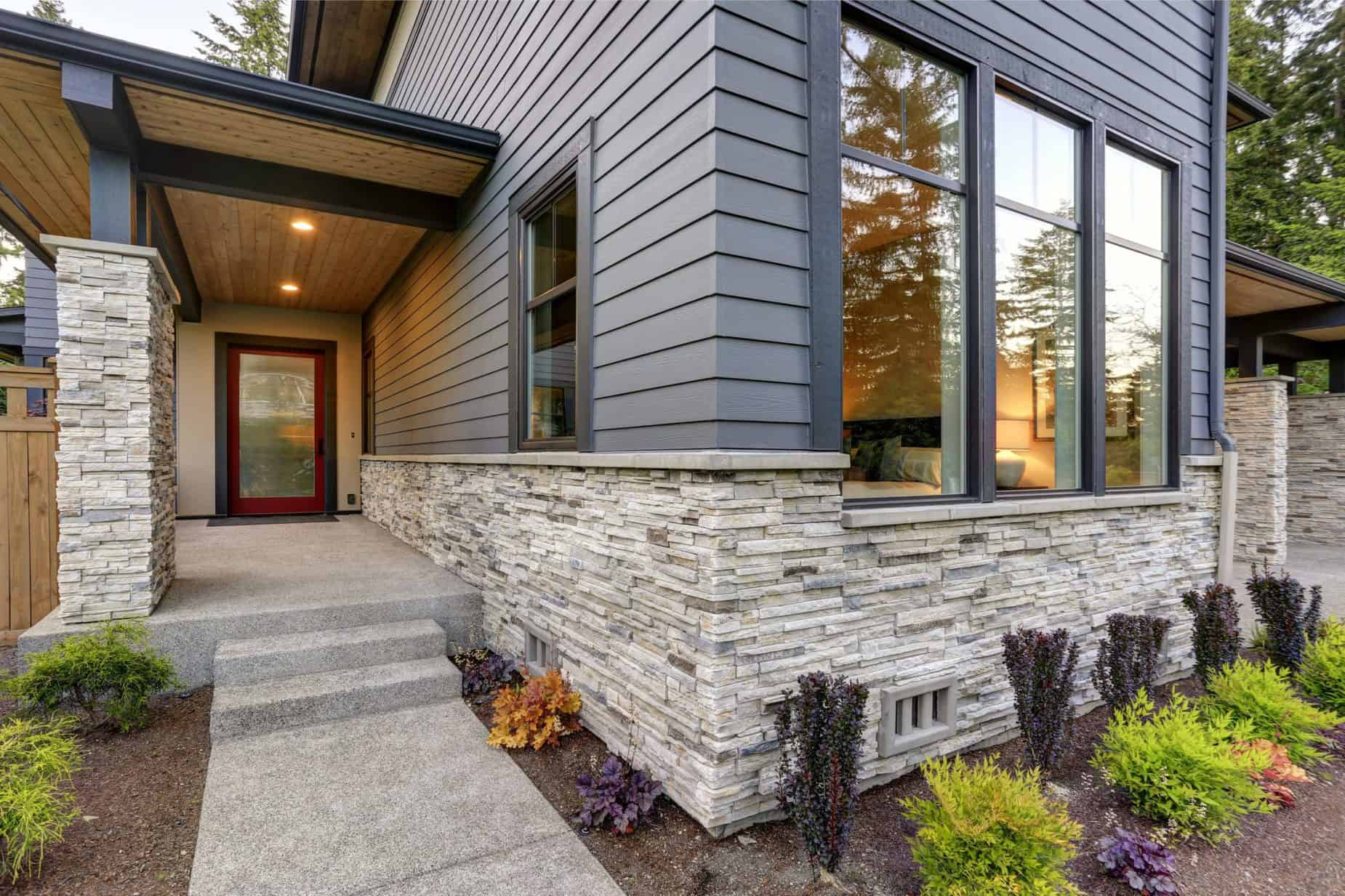
| Pros Cost-Effective: One of the most affordable cladding options. Low Maintenance: Requires minimal upkeep and no painting. Durability: Resistant to weather, pests, and rot. Wide Range of Styles: Available in various styles, colors, and textures. | Cons Aesthetic Limitations: May not offer the same level of visual warmth as natural materials. Fading: Colors may fade over time due to UV exposure. Limited Insulation: Provides less insulation compared to some other materials. Installation: Without proper installation, Vinyl siding can result in damage from storms and moisture build up. |
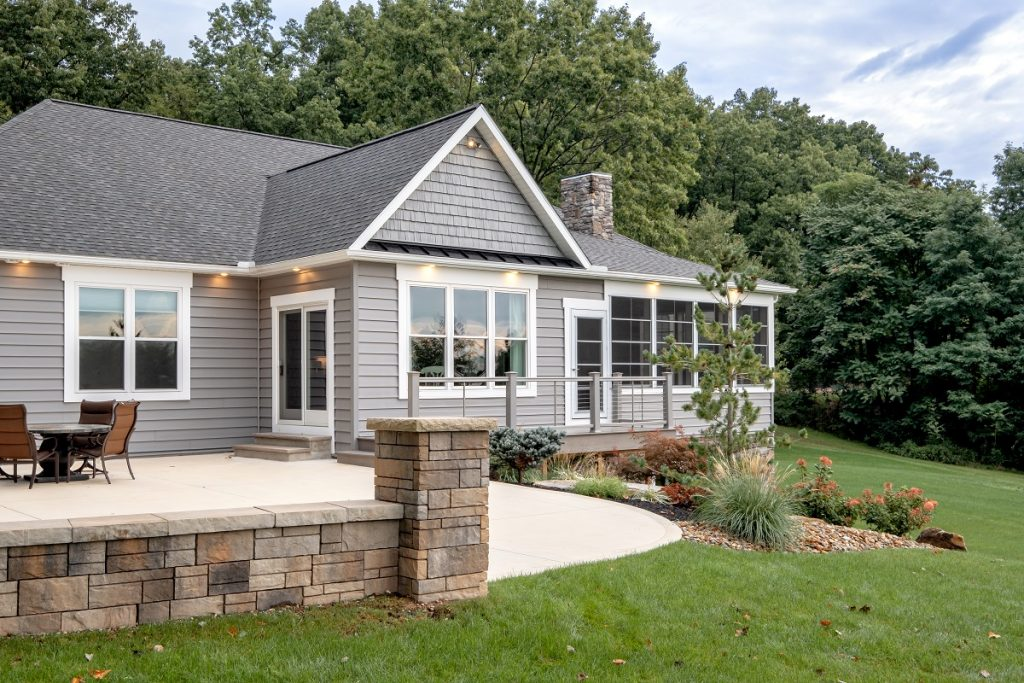
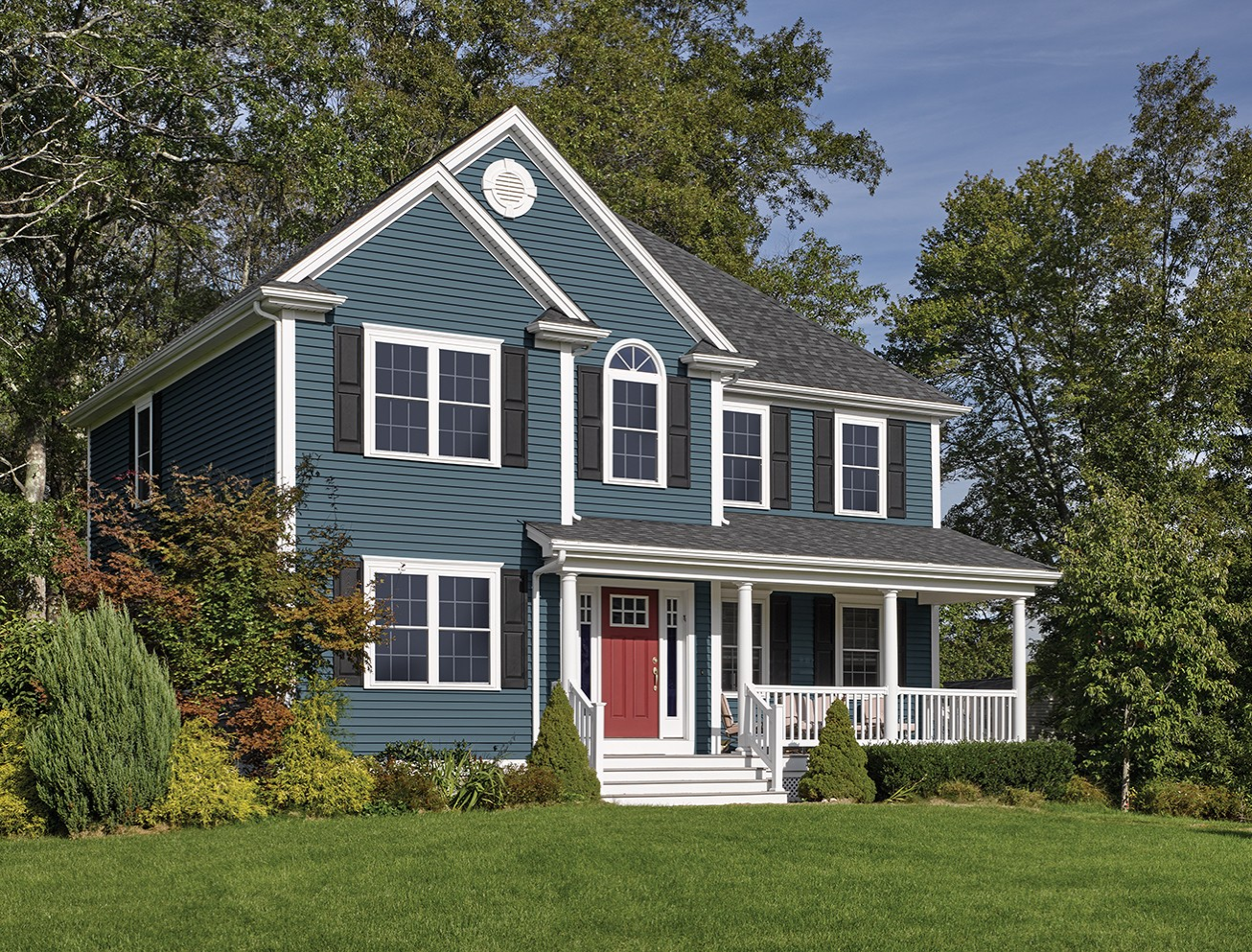
Vinyl siding stands out as an affordable and low-maintenance cladding option with a wide range of styles. Its resistance to pests, weather, and rot is advantageous, but it may lack the natural warmth of other materials. Environmental concerns related to manufacturing and disposal should be considered. For those seeking cost-effective and easy-to-maintain cladding, vinyl siding provides a practical solution.
Dzinly’s favorite Vinyl siding brands:

Fiber Cement
| Pros Look: Expensive Look Durability: Highly resistant to weather, pests, and rot. Low Maintenance: Requires minimal upkeep and repainting. Versatility: Available in various styles, textures, and finishes. Fire Resistance: Offers excellent fire resistance properties. | Cons Weight: Heavier than some other cladding materials, requiring additional support. Cost: Can be relatively expensive, including installation costs. Installation Complexity: Requires skilled labor for proper installation. Dust Hazard: Dust from cutting can pose health risks, requiring precautions. |
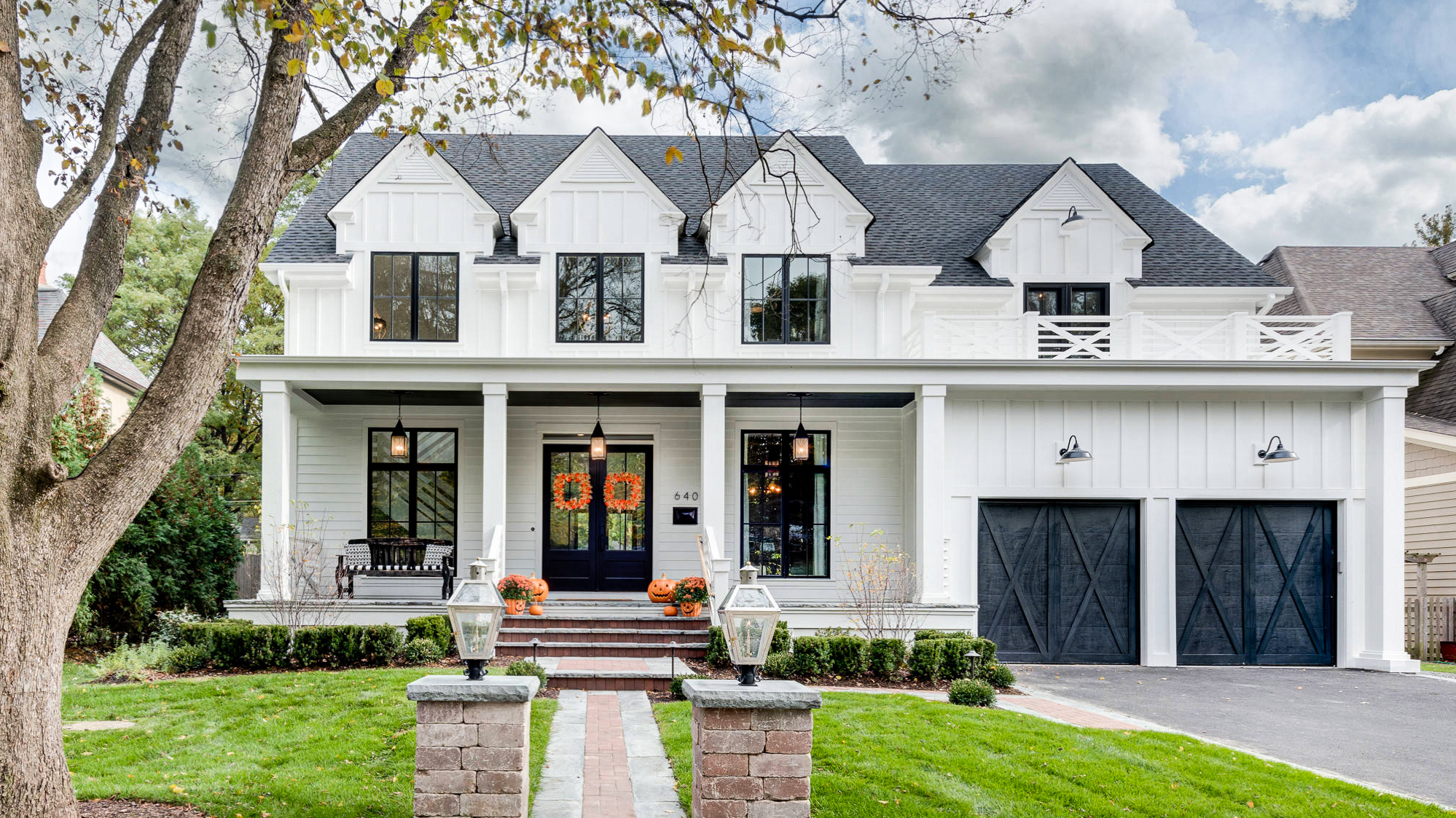
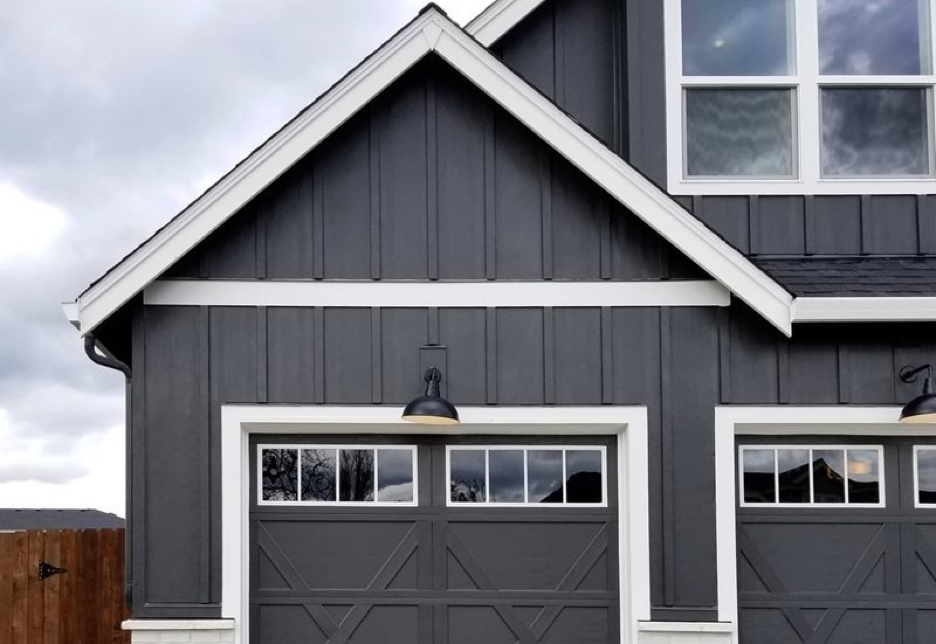
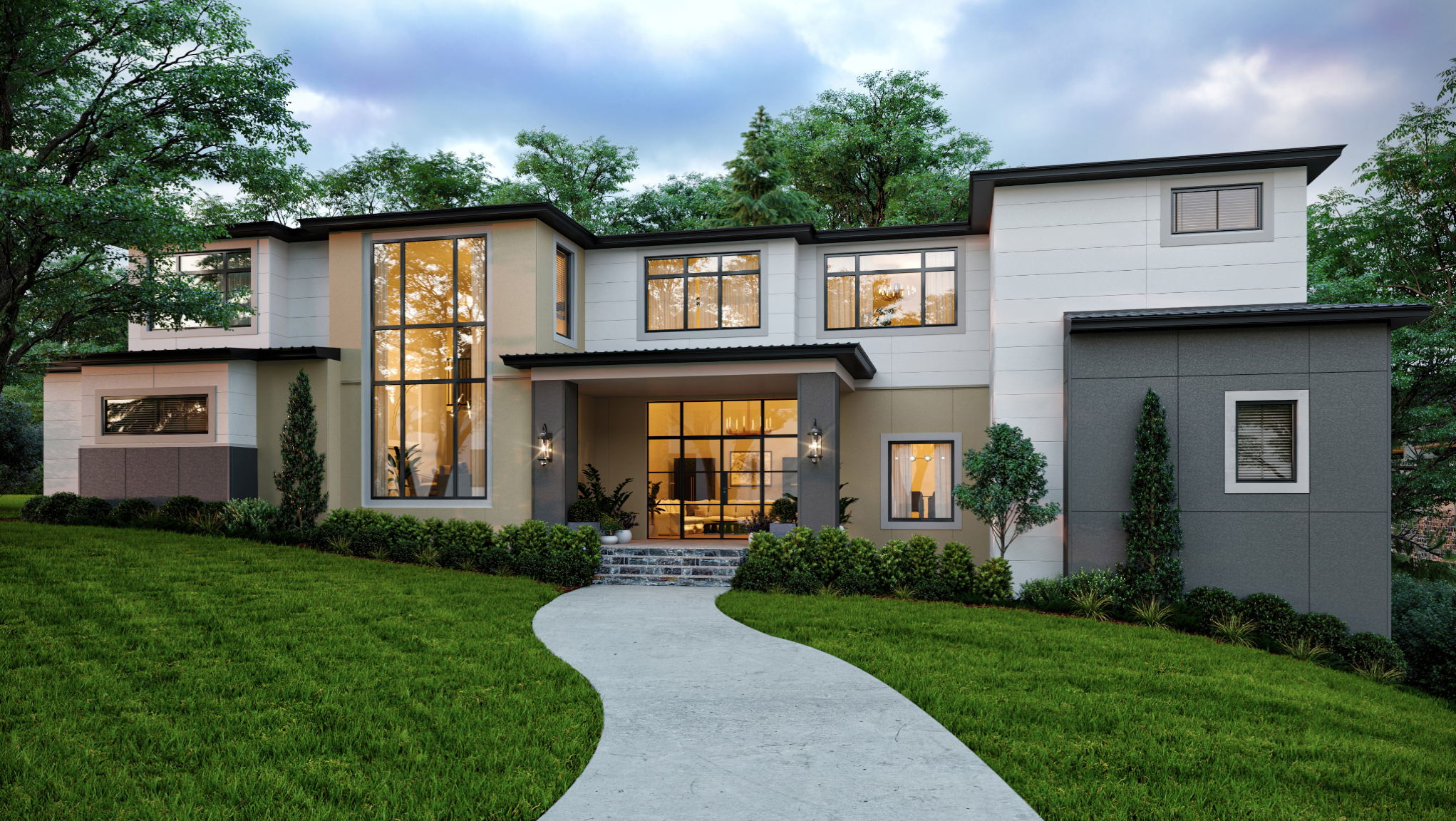
Fiber cement siding offers durability, low maintenance, and fire resistance, making it an attractive option for homeowners. Its versatility in design and resistance to weather and pests are notable advantages, but it can be relatively heavy, necessitating additional structural support and skilled installation. While it may require a higher initial investment, its long-term benefits in terms of durability and aesthetics can make it a worthwhile choice.
Fiber Cement Siding Brands we use often:
Metal Panels
| Pros Modern Aesthetic: Offers a sleek and contemporary appearance. Durability: Resistant to weather, pests, and fire. Low Maintenance: Requires minimal upkeep and no painting. Sustainability: Often recyclable and energy-efficient. | Cons Cost: Initial material cost can be higher than some options. Limited Insulation: Provides minimal insulation properties. Dents: Prone to dents and damage from impacts. Noise: May amplify external noise due to its thin profile. |
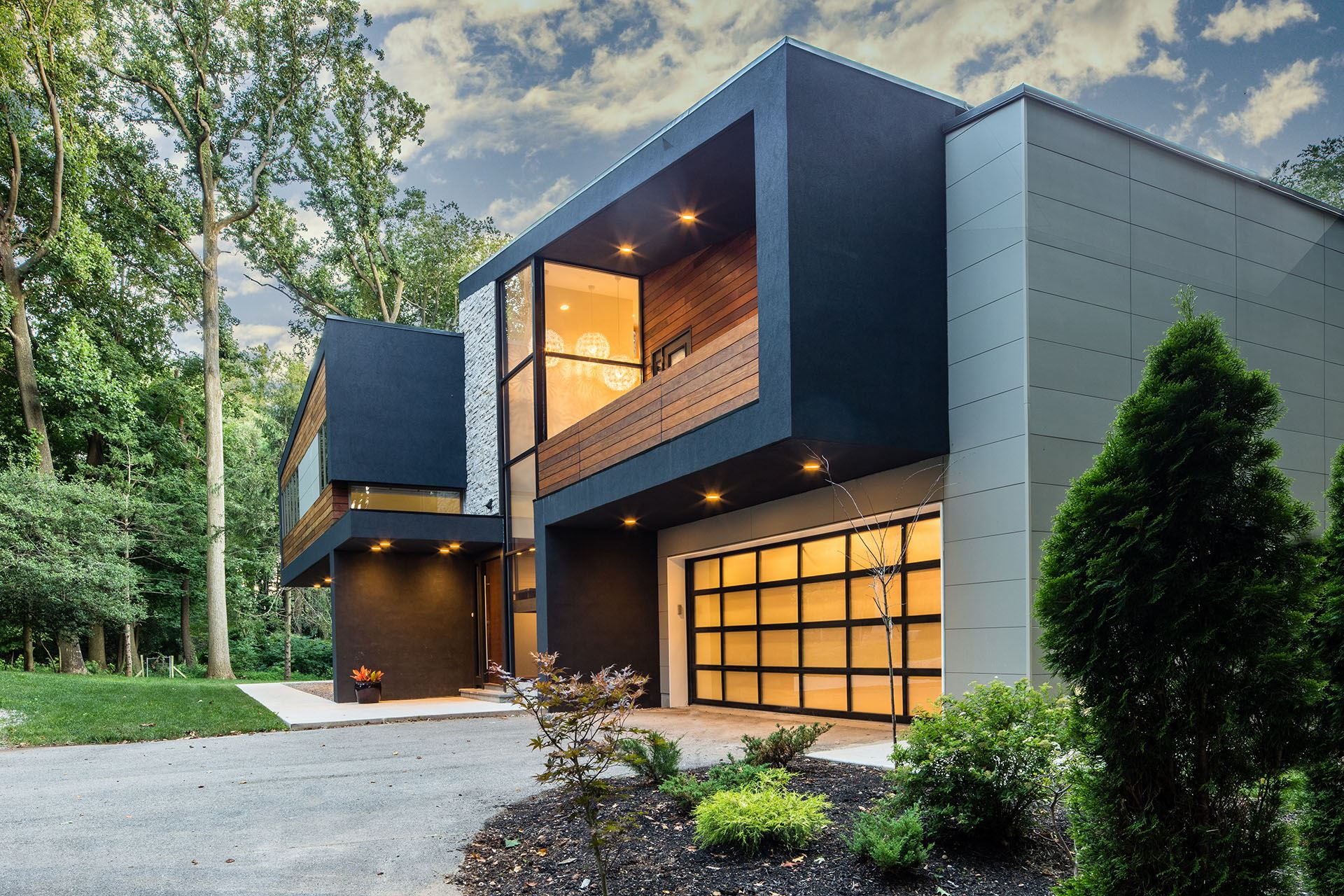
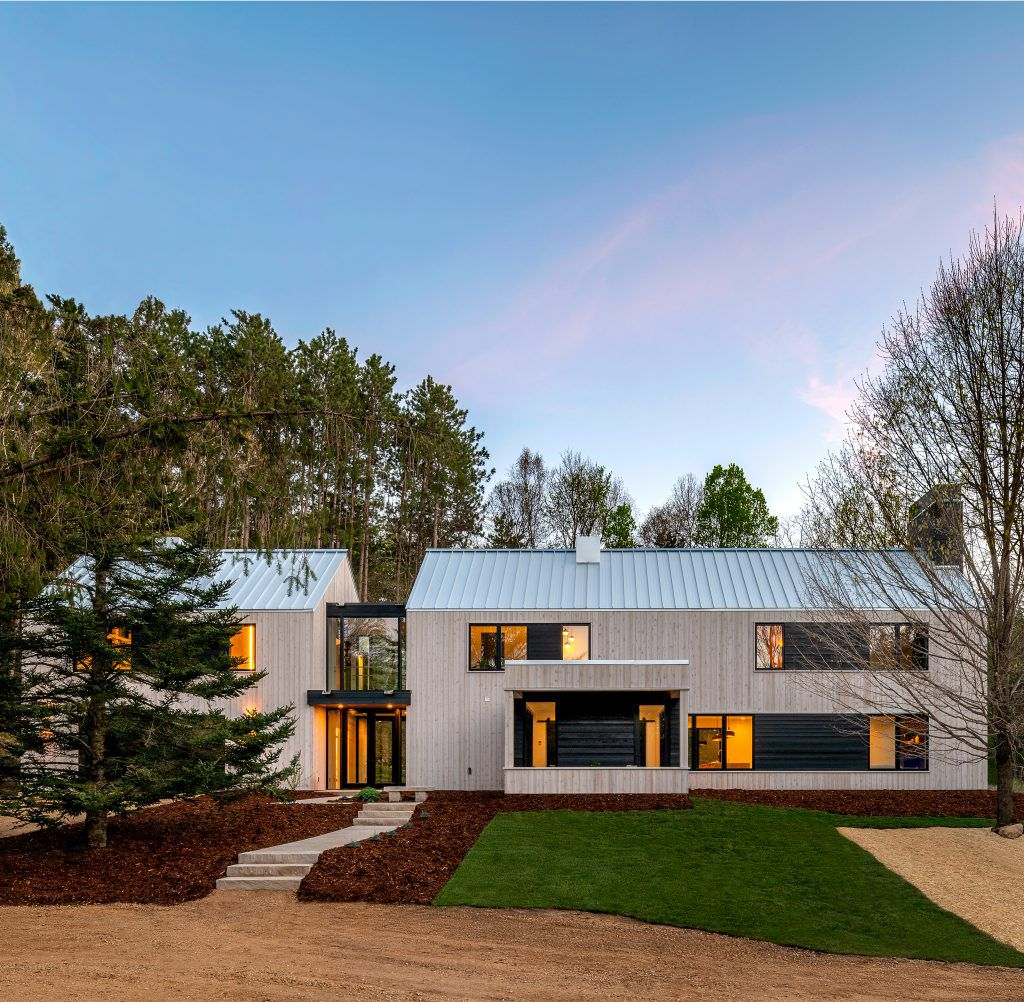
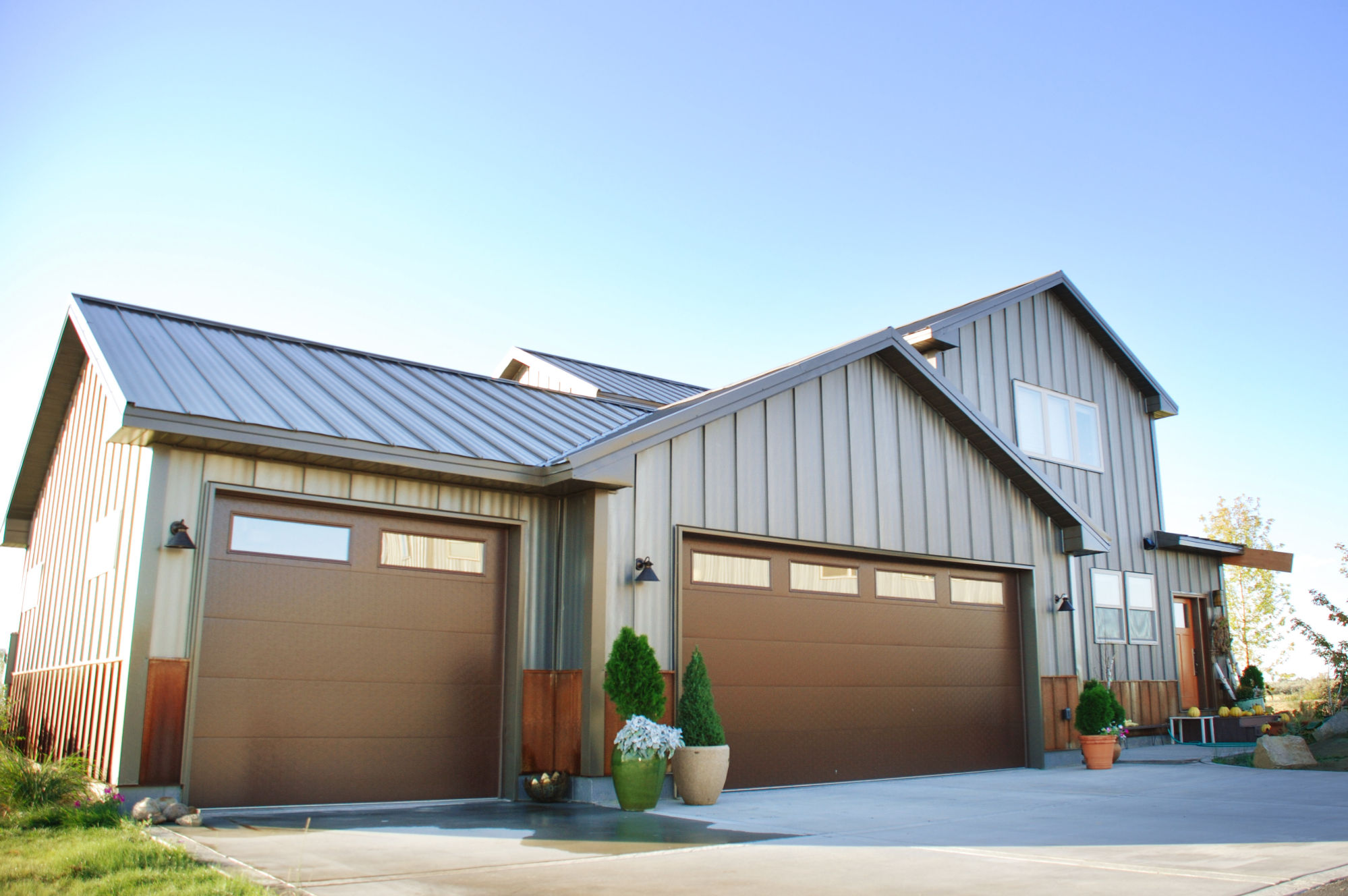
Metal panel siding offers a modern aesthetic, durability, and sustainability. Its sleek appearance and resistance to weather, pests, and fire make it an appealing choice for contemporary designs. However, potential drawbacks include a higher initial cost, limited insulation properties, susceptibility to dents, and the possibility of amplifying external noise. For those valuing a modern look and environmental consciousness, metal panel siding presents a compelling option.
The Role of Contractors vs Designers in Selecting Cladding Materials
Designers play a pivotal role in construction projects by bridging the gap between contractors and clients, ensuring the client’s vision becomes a reality. While contractors focus on technical aspects like durability, architects and designers bring creativity and aesthetics, helping clients make informed choices within budget constraints. This collaboration ensures that cladding materials not only meet functional requirements but also align with the project’s design intent, emphasizing the importance of a harmonious partnership among all stakeholders in successful construction projects.
At Dzinly, we streamline the contractor experience by facilitating connections with top-tier designers and providing clients with a stunning 3D rendering of their homes, ready in just three days. Our commitment is to ensure that clients’ visions are fully realized while allowing contractors to concentrate on their craftsmanship, leaving the intricate selections to us. Explore the benefits of becoming a partner with us at https://dzinly.com/join-contractor to simplify your life as a contractor, or refer a contractor who recently transformed your home and earned your admiration!
Discover more tags
Popular Posts
View All-

Emerging Trends in Home Construction and Renovation
Image source In the dynamic world of home construction and renovation, staying updated with the latest trends is essential for homeowners, builders, and designers. As we move deeper into 2024, several innovative trends are emerging, driven by technological advancements, sustainability concerns, and evolving aesthetic preferences. This blog will explore these trends, providing insights into what’s […]
-
Best Practices for Client Communication and Project Management
Image Source For design and construction, effective client communication and project management are key pillars that can make or break a successful project. From understanding client needs to delivering a finished product, every step requires clear communication and efficient management. Here are some best practices to ensure a smooth and successful journey from project initiation […]
-
Why Isn’t Your Listing Selling? Actionable Steps for Real Estate Agents
Selling a home should be a smooth process, but sometimes listings sit on the market longer than expected. If a property isn’t generating interest or receiving offers, identifying the root cause is crucial. Here are common reasons why homes struggle to sell and actionable steps real estate agents can take to turn things around. Overpricing […]
-
The Impact of Weather and Climate on Building Projects: What You Need to Know & How to Manage It
When it comes to building projects, weather and climate are often overlooked factors that can significantly impact everything from timelines to budgets. Whether you’re constructing a new home, renovating a commercial property, or working on any kind of building project, understanding how the elements affect your plans is crucial for a successful outcome. In this blog, we’ll explore how weather and climate influence construction and offer practical solutions to manage these challenges.