

Bella Baldwin
September 26, 2024The Future of Exterior Home Design: AI and the Human Touch
Dzinly experts examine how AI is transforming exterior home design while still we emphasize the need for human creativity. We answer the questions of how far can AI go without the guidance of the human element and why it is limited
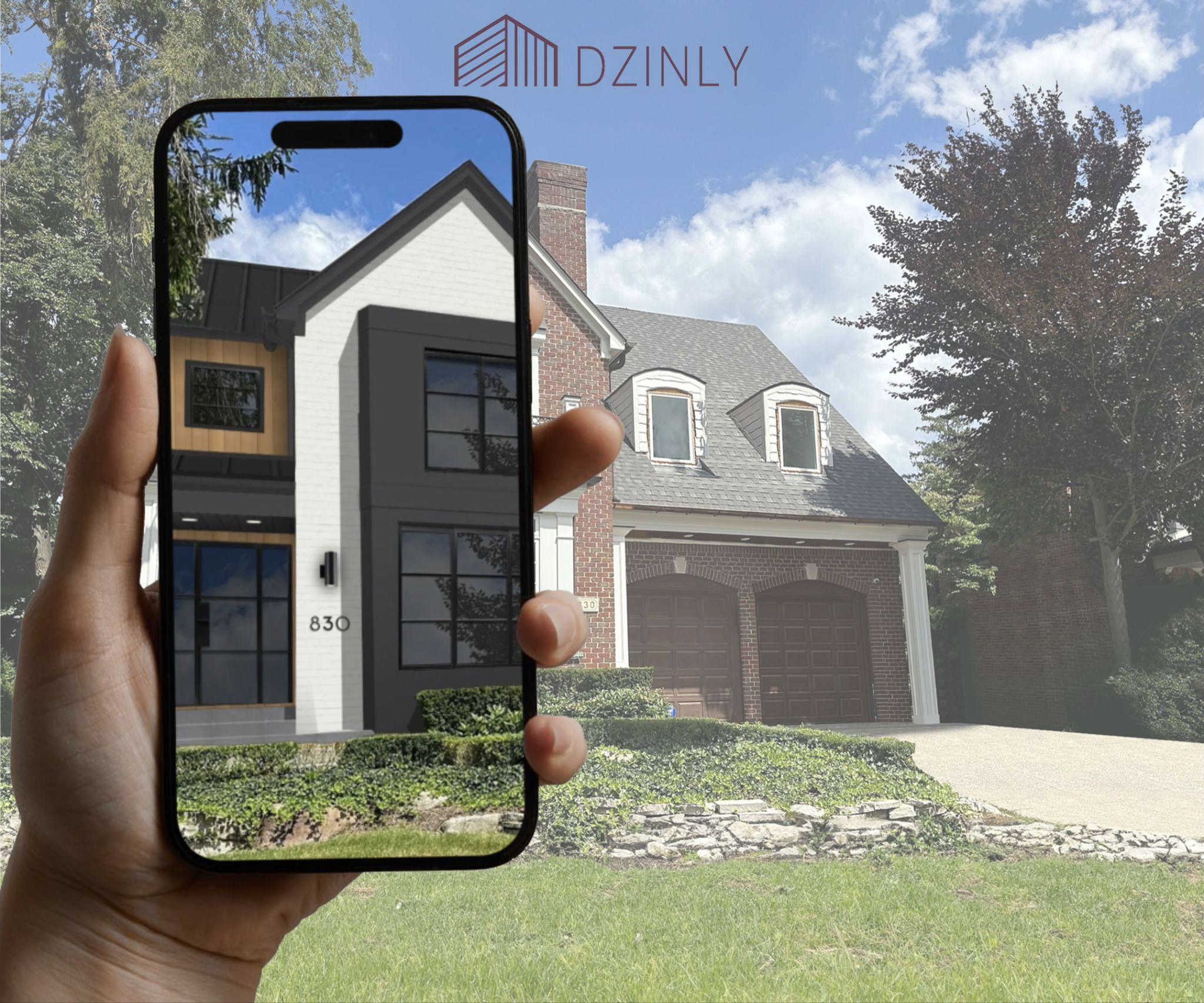
As time progresses, so does technology and the constant pursuit of greater efficiency. Leading this charge is AI, which is revolutionizing how we work and live. While artificial intelligence has been present for many years, primarily in professional industries such as finance, healthcare, and manufacturing, it has now become accessible to nearly anyone with a smartphone or computer. This widespread availability is bringing powerful tools to the hands of everyday users, allowing them to enhance productivity, creativity, and problem-solving in ways that were once reserved for specialists.
The accessibility of AI has transformed the home design world by offering unmatched speed, efficiency, and the ability to generate ideas and visuals rapidly. AI helps streamline processes by automating repetitive tasks, which reduces human error and allows designers to produce concepts, and offer more options in less time. Its full-time availability allows for round-the-clock ideas, enabling quick decision-making when tight deadlines are involved and your creative human brain might not be on.

However, while AI excels in assisting with routine tasks, it may fall short when it comes to capturing the nuanced, creative decisions that truly bring a design to life. The human touch—guided by experience and personal expertise—is still essential for achieving the best, most tailored results. Let’s dig a little deeper as to why this is.
Understanding Client Preferences
Humans can interpret subtle cues, emotions, and preferences in ways that AI cannot. Designers with experience can ask the right questions, listen carefully to feedback, and adapt designs based on personal interactions that lead to more customized results. Often, a design client may initially express strong preferences, saying they want or don’t want certain features. However, through deeper conversations with a designer, it often becomes clear that they are uncertain or may not fully understand what will best meet their needs. In these moments, a human designer can help guide the client by interpreting their thoughts, uncovering their true desires, and offering expert advice to steer the project in the right direction. AI, on the other hand, tends to take instructions at face value, making it less capable of navigating these nuances or adjusting to evolving preferences in a meaningful way.

Creative Problem-Solving
AI can generate options based on data, but it often is very literal, lacking the creativity and flexibility to think outside the box. On the other hand, human designers are uniquely equipped to innovate and solve design challenges in a way that feels personal and customized. For example, if you show your designer an image of your neighbor’s house, saying, “I love this look and vibe, but I don’t want to copy it since it’s my next-door neighbor,” a human designer can interpret this feedback and create a design that captures the same essence, but with distinct elements to make it your own. If you made the same request to AI, it most likely will take the instruction too literally and give you something completely different, missing the subtle inspiration behind your preferences.
Reality
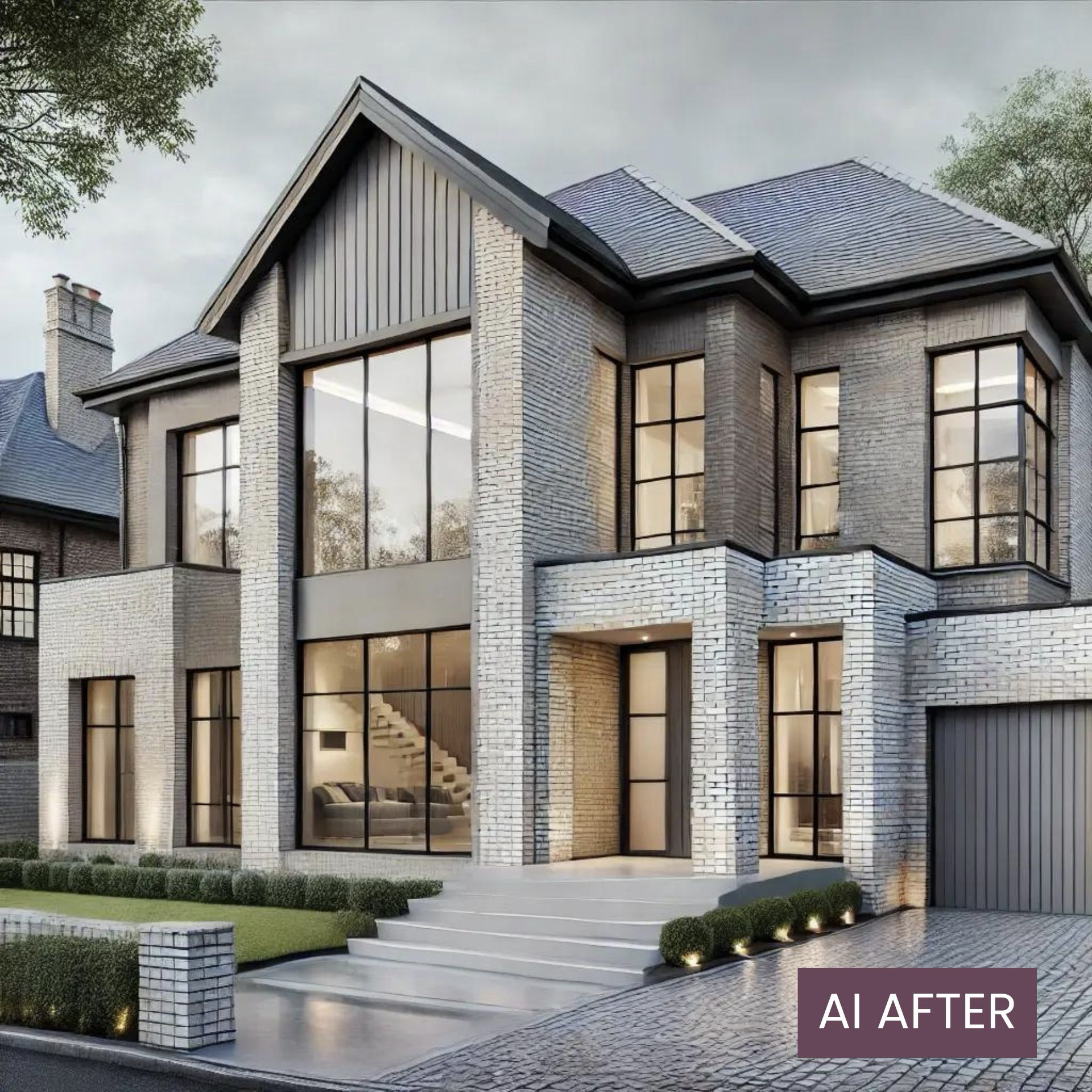
While AI can produce visually striking and imaginative designs, these images often lack realism or practicality. Key elements may be altered without consideration for their functional importance, resulting in designs that prioritize aesthetics over feasibility. Frequently, these AI-generated designs feel more like something from a dream or fantasy rather than something you’d see in the real world. It’s similar to trying on a wild, colorful wig—fun to experiment with, but not something you’d actually wear in everyday life. AI’s creations can be exciting, but they don’t always translate into achievable, real-world designs.
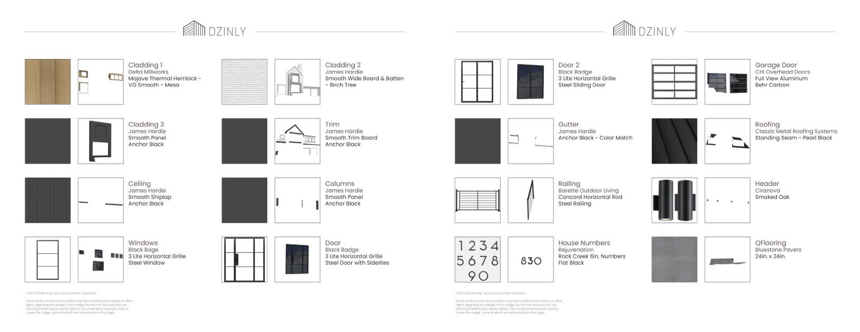
As shown here, AI was prompted to “modernize this house”. The result, although a very nice looking house and design, this is not a realistic plan for a remodel and would essentially be a new construction. A human designer at Dzinly was given the same house and requested, “modernize this house”. Resulting in a realistic and achievable design with specifications for all colors and materials used for easy implementation.


Emotional Connection
Home Design is not just about aesthetics—it’s about how a space feels and how it connects with people emotionally. A human designer can infuse a project with warmth, personality, and meaning, elements that AI cannot fully grasp or replicate.
Imagine a homeowner wants to redesign the exterior of their house to reflect the charm of the coastal cottage they grew up visiting as a child. While AI can suggest popular colors, materials, and architectural trends that fit a “coastal” theme, it wouldn’t fully grasp the deeper meaning behind the homeowner’s memories and inspiration.
A human designer, on the other hand, could take the time to understand these personal stories and translate them into design decisions. They might choose a soft, weathered siding that mimics the look of the cottages along the shore, select a specific shade of blue that feels like it’s been there forever, and add details like window shutters or flower boxes inspired by the ones from the homeowner’s childhood. The designer could even suggest natural stone paths or coastal landscaping with native plants that enhance the nostalgic feel while still meeting modern durability standards.
By combining the technical needs of the project with emotional and personal elements, the designer creates a space that not only looks aesthetically beautiful but also captures the warmth and memories the homeowner holds dear—something AI, with its focus on data and trends, cannot fully replicate.
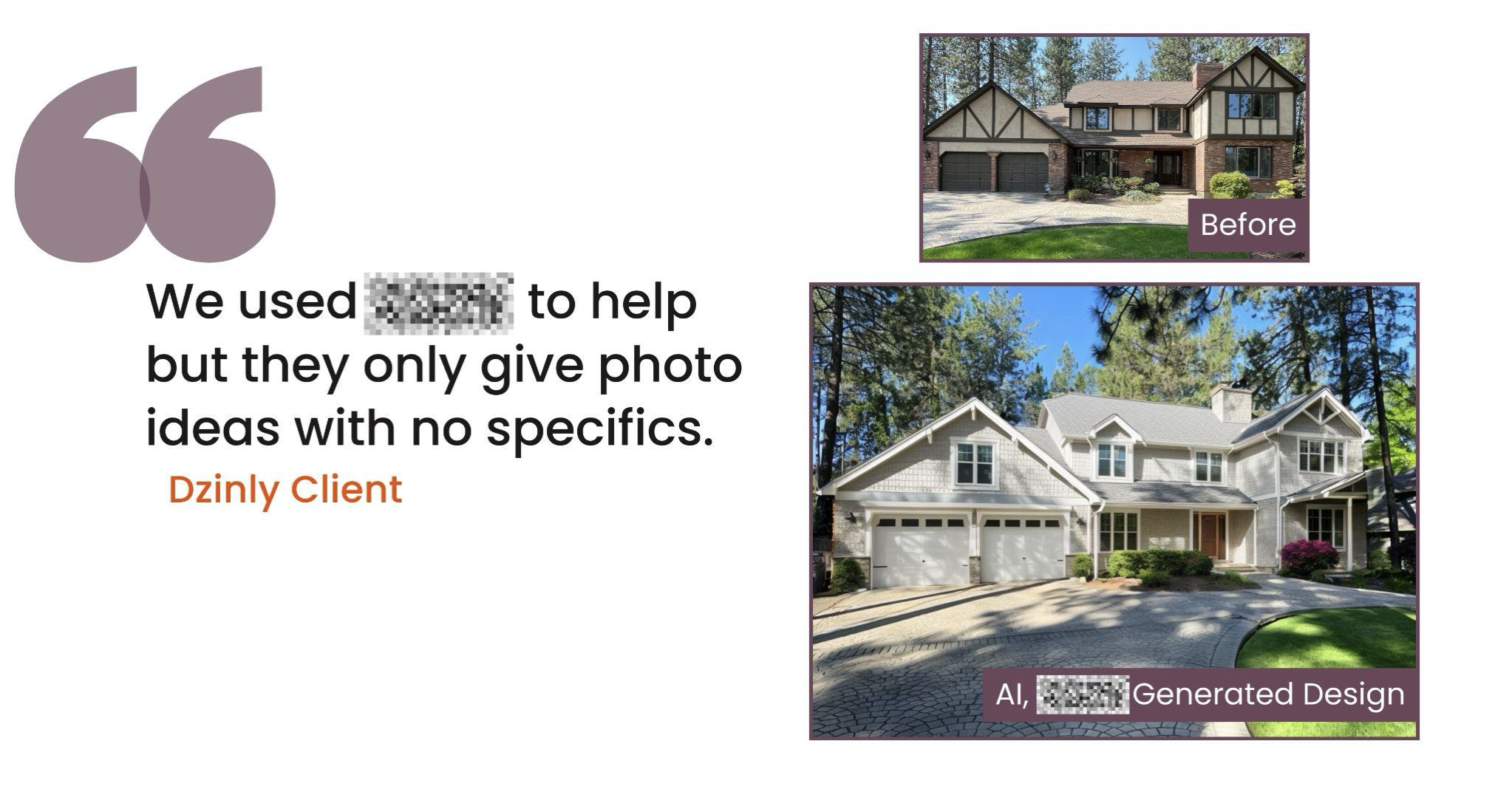


As you can see, home design is much more than simply pairing colors and materials; it is about evoking a specific feeling and creating an experience that reflects a lifestyle. Great design tells a story—it shapes how people interact with a space, how they feel when they see it, and how they connect emotionally. Whether it’s a warm, welcoming home or a sleek, modern exterior, home design communicates personality, values, and aspirations, going beyond aesthetics, and influencing how people live and what they experience within that space. While AI is an incredible, invaluable tool, and its capabilities mind boggling at times, it still cannot replicate (thankfully) how a human processes certain things or feels.
While AI has undoubtedly changed the landscape of design by enhancing speed and efficiency, it is not a replacement for human creativity, intuition, and the emotional connection that defines truly great design. AI can provide helpful tools, but it’s the human touch that transforms a design into a space that feels personal and meaningful. Whether you’re working on a new exterior or an interior renovation, the balance between technology and human expertise is essential to achieving the best results. After all, great design is about more than just aesthetics—it’s about telling your story, making your space feel like home, and creating a lasting emotional impact.
If you’re looking for a blend of both worlds, Dzinly offers a unique approach, combining the speed of AI with the thoughtful expertise of real designers, to ensure your project is everything you dreamed of and more.
Discover more tags
Popular Posts
View All-

Emerging Trends in Home Construction and Renovation
Image source In the dynamic world of home construction and renovation, staying updated with the latest trends is essential for homeowners, builders, and designers. As we move deeper into 2024, several innovative trends are emerging, driven by technological advancements, sustainability concerns, and evolving aesthetic preferences. This blog will explore these trends, providing insights into what’s […]
-
Best Practices for Client Communication and Project Management
Image Source For design and construction, effective client communication and project management are key pillars that can make or break a successful project. From understanding client needs to delivering a finished product, every step requires clear communication and efficient management. Here are some best practices to ensure a smooth and successful journey from project initiation […]
-

Why Isn’t Your Listing Selling? Actionable Steps for Real Estate Agents
Selling a home should be a smooth process, but sometimes listings sit on the market longer than expected. If a property isn’t generating interest or receiving offers, identifying the root cause is crucial. Here are common reasons why homes struggle to sell and actionable steps real estate agents can take to turn things around. Overpricing […]
-

The Impact of Weather and Climate on Building Projects: What You Need to Know & How to Manage It
When it comes to building projects, weather and climate are often overlooked factors that can significantly impact everything from timelines to budgets. Whether you’re constructing a new home, renovating a commercial property, or working on any kind of building project, understanding how the elements affect your plans is crucial for a successful outcome. In this blog, we’ll explore how weather and climate influence construction and offer practical solutions to manage these challenges.