

Bella Baldwin
June 1, 2022Exterior Element Terms to Know
The insiders guide to knowing the terms for exterior designers. Learn how to speak the lingo to get the most of your home!
Contractors and architects have specific terms to describe architectural and building elements of homes. We all live in houses, no matter rented or owned, but yet are often unfamiliar with terms we come across daily. This can make conversations with contractors and architects formidable. You might feel as if they are speaking a different language. Fear no more! The following is your guide for language you might come across when enhancing the exterior of your house.
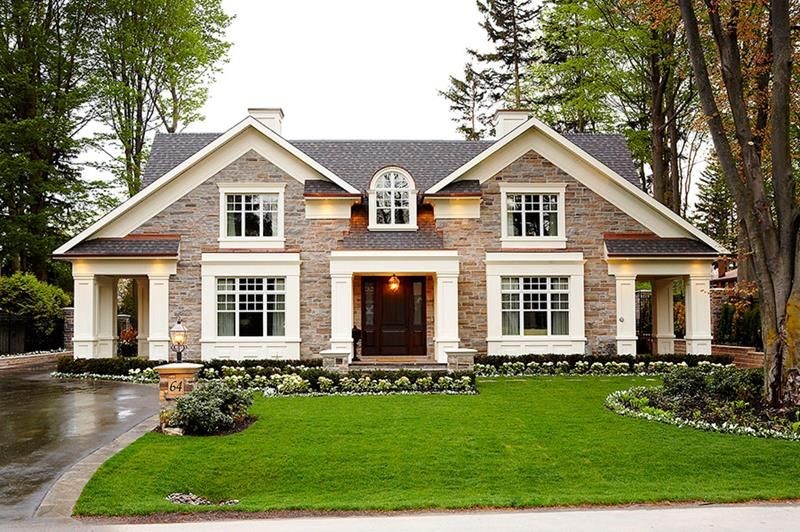
Exterior Element Terminology
1 – Facade
The facade is the front face of your home. It is the very first view that someone gets of your home front. To make a first impression that lasts, your property’s facade must be intriguing. Choosing a facade for your home isn’t easy as limitless options are available. From elegant contemporary style to eclectic and traditional, you can select from a wide variety.
If you get confused over what facade to choose, consider the interior of your home. The interior and exterior of your home must blend well to create balance and harmony. Pick a facade that matches the style of the interior. Speak to your builder about the street appeal of your home to make each penny of your investment count.
2 – Box End
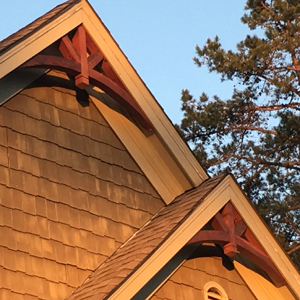
Box ends are the part of the house located at gables, at the place where siding and roofline connect. They give your home a better appearance and seal the area where the roof and siding meet.
3 – Siding Corner
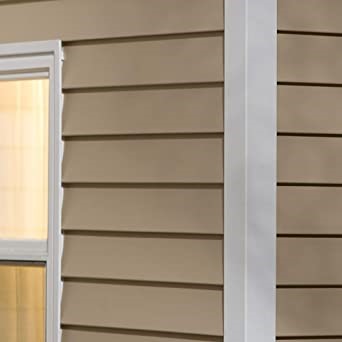
The siding corner is built at a right angle to hide or cover where two sides of adjoining faces meet. Siding corners can be of different styles and colors to complement the siding.
4 – Dormer
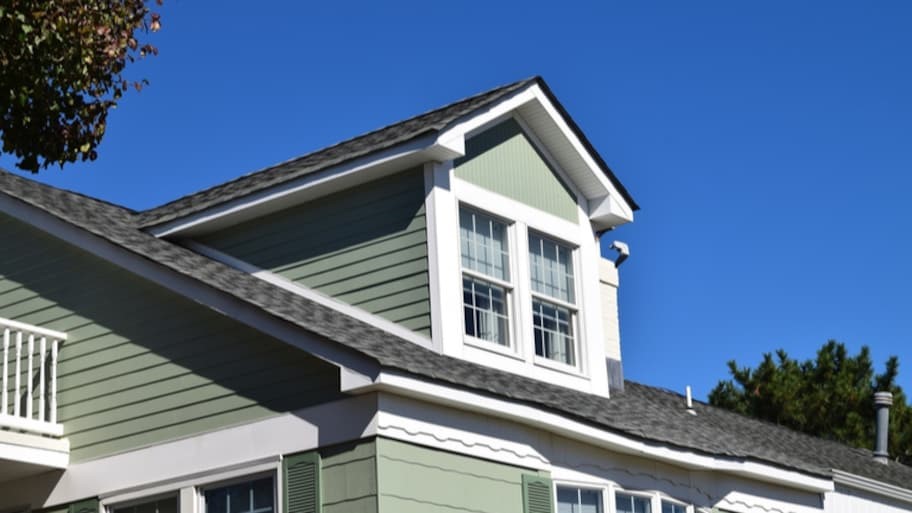
A dormer is a structure built on a roof to create window openings in attics or loft spaces to add light. They can also add interesting roof angles. They can be installed either on the front or side of the home.
Dormers come in different styles:
• Hipped dormer
• Eyebrow shaped dormer
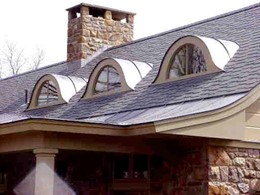
• Segmental dormer

• Shed dormer
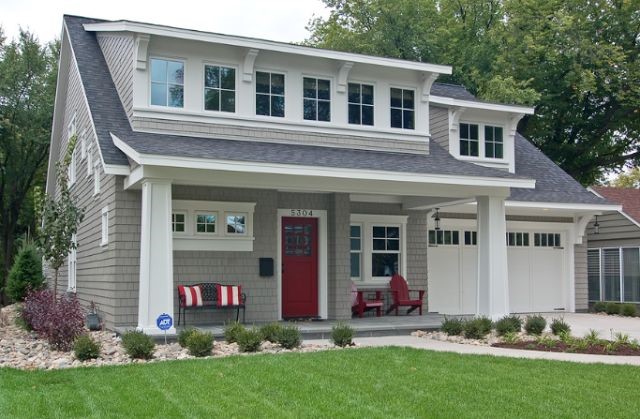
• Gabled dormer
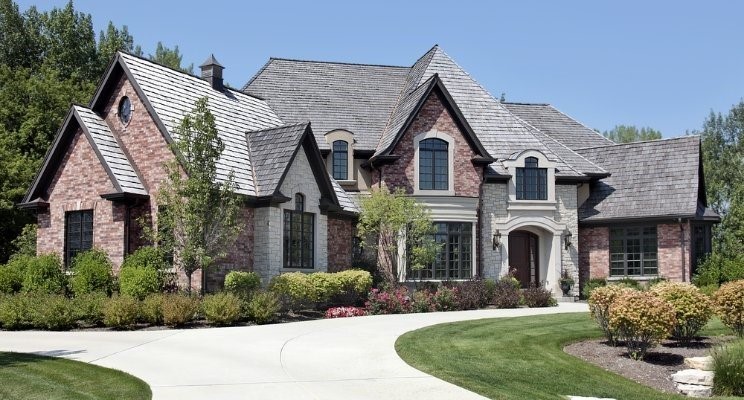
• Arched dormer
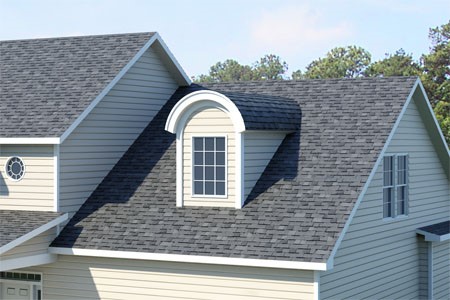
• Flat dormer

5 – Downspouts
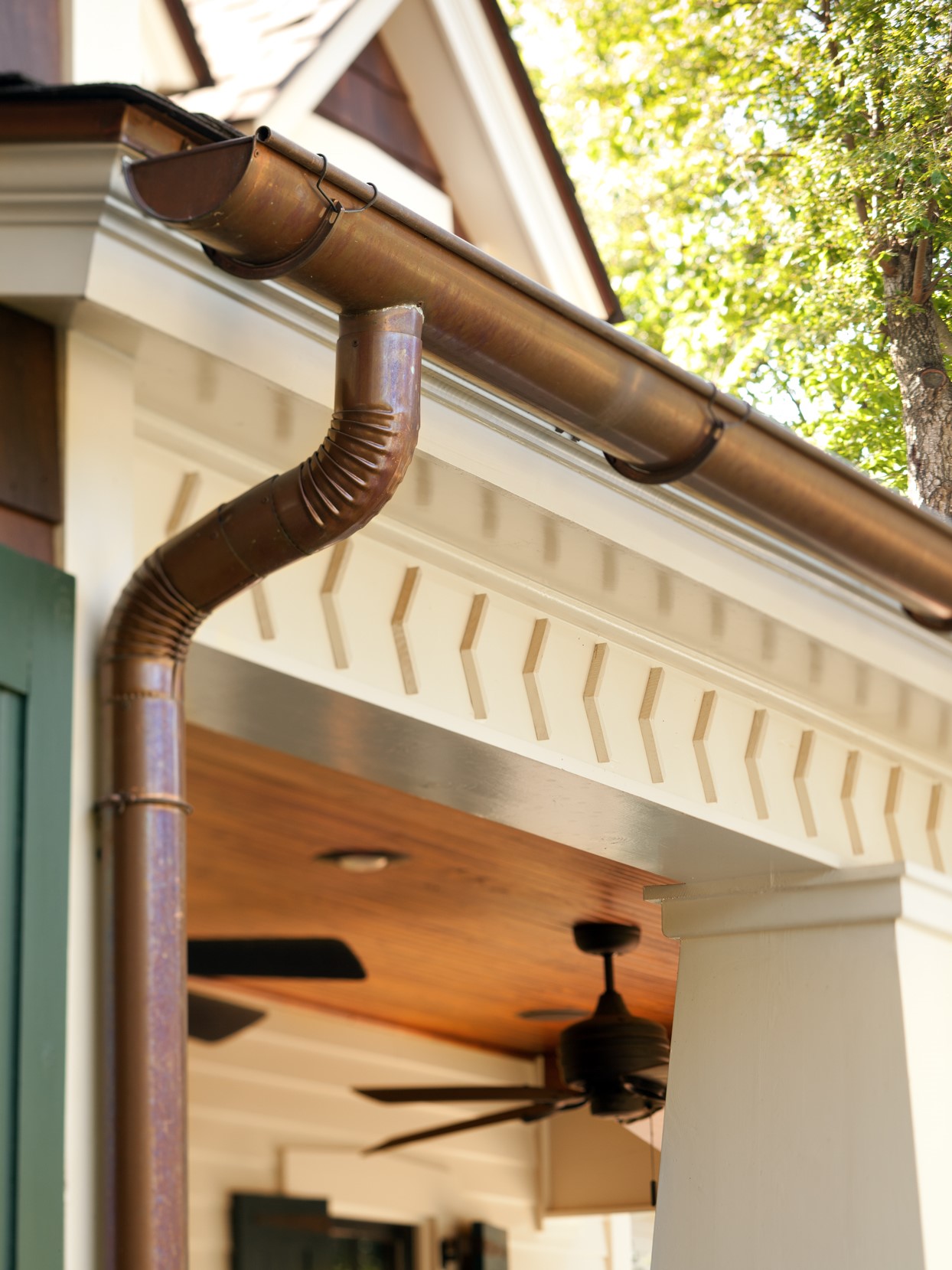
Downspouts are connected to the gutter at one end; they run down the edges of your house vertically. They are aluminum tubes that direct water vertically down the house and away from the foundation.
6 – Eave
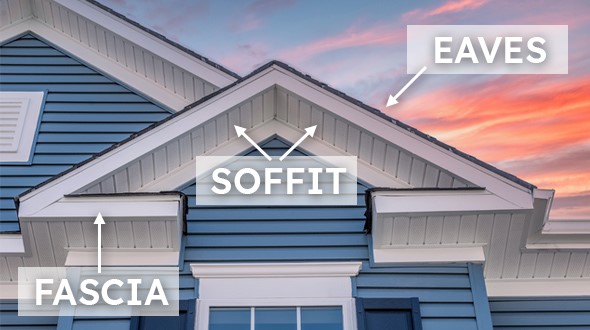
An eave is the part of the roof that protrudes over the side of your home. They are also called overhangs. Eaves protect the siding of your home from water run-off. The inner part of the eave never receives any sunlight, so keep a regular check for growing molds and insects.
Eaves provide shade in the summer and can be a good place to install security cameras. Houses with no eaves are prone to water damage and leaks.
The following are typical types of eaves:
Box Eaves: These eaves create a box-like appearance. They are enclosed with soffits and ornamental molding in a way to hide rafters.
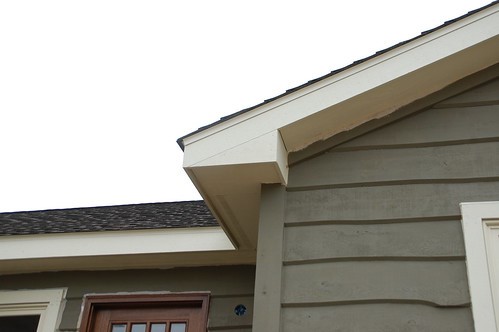
Open Eaves: These are overhanging with exposed inner sides and viewable rafters.
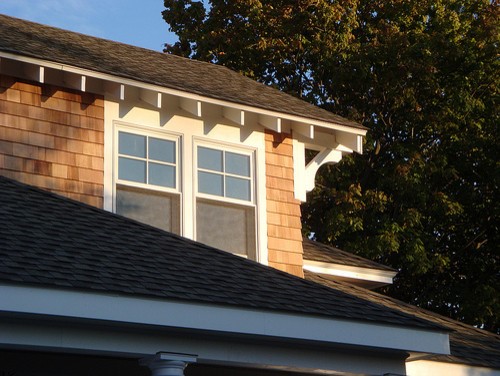
Closed Eaves: These are similar to open eaves, but the overhangs are covered with soffit. They have a tidy-looking underside.
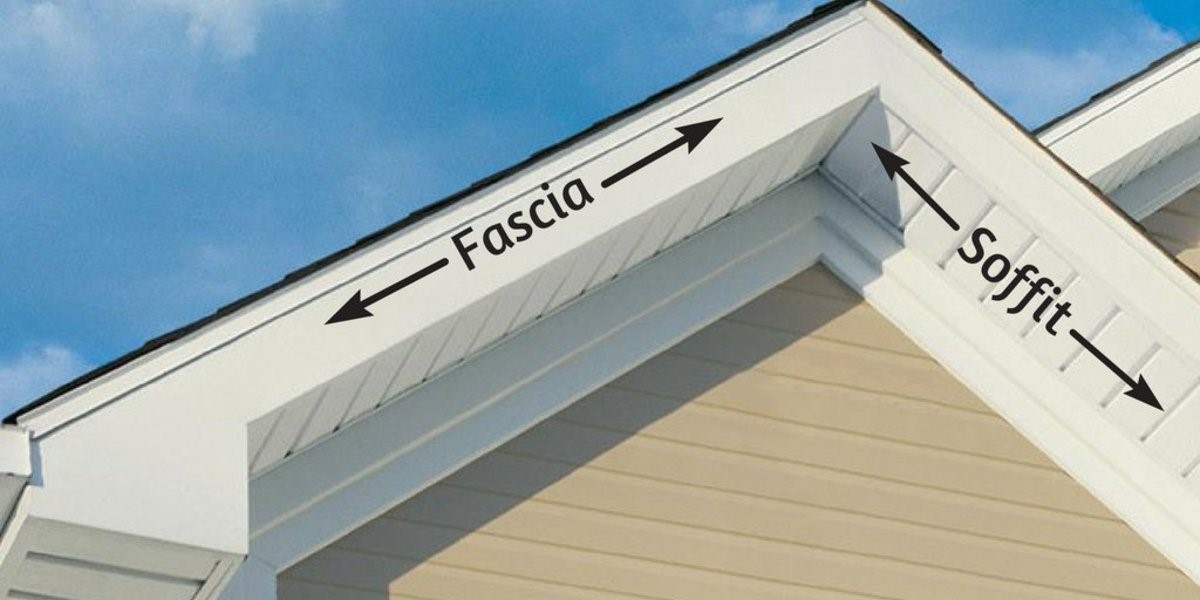
7 – Fascia
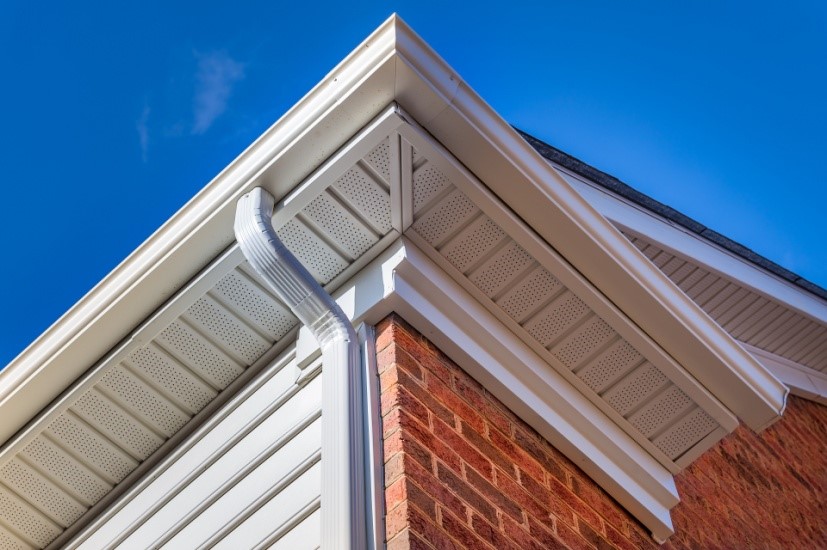
Fascia is an architectural term for the board located under the roof lining or edge. It is located at the point where the roof edge meets the gutter. If a gutter fails or gets clogged, the fascia is the first thing to come in contact with the water. It protects the inner parts of the roof from external elements. Fascia trim provides a curb appeal and tidy look. It also keeps the roof safe from insects and cavities.
Fascia comes in a variety of materials:
Aluminum Fascia: Aluminum fascia is strong and durable. It can easily be wrapped around wood, thus extending the lifespan of your home. It is more expensive than wooden fascia, but its weather resistance is superior.
Wooden Fascia: Wooden fascia is an affordable option. Wooden fascia is typically pine, fir, or spruce wood. It is not waterproof and can lead to mold due to moisture over time. If you want to increase the longevity of your wooden fascia, prime, paint and maintain it properly.
Vinyl Fascia: Vinyl fascia or polyvinyl chloride (PVC) fascia is made of plastic and is highly flexible. It is used along with wooden fascia to increase strength and life span. It also enhances the final look of the property and keeps it rot-resistant.
Unplasticized Vinyl Fascia: It is similar to vinyl fascia but doesn’t contain plasticizers. UPVC fascia is rigid and long-lasting. It gives your home nice curb appeal and provides excellent water drainage and rot resistance.
8 – Gable
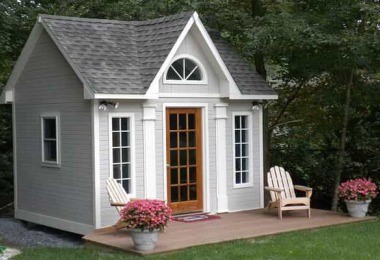
When two adjoining slopes of a roof connect, a triangle is formed. That triangular extension is called a gable. It can also be called an A-section of two sloping roofs. A property can have two or more gables depending on its size and exterior design. Gables add detail, structure, and depth to a property. Gables provide good water drainage and headroom to shelter your front door area from rain.
Various types of gables to consider include:
Front Roof Gable: This gable is located on the front of the house facing the street. The front door is located under the gable. They are typical on a traditional home.
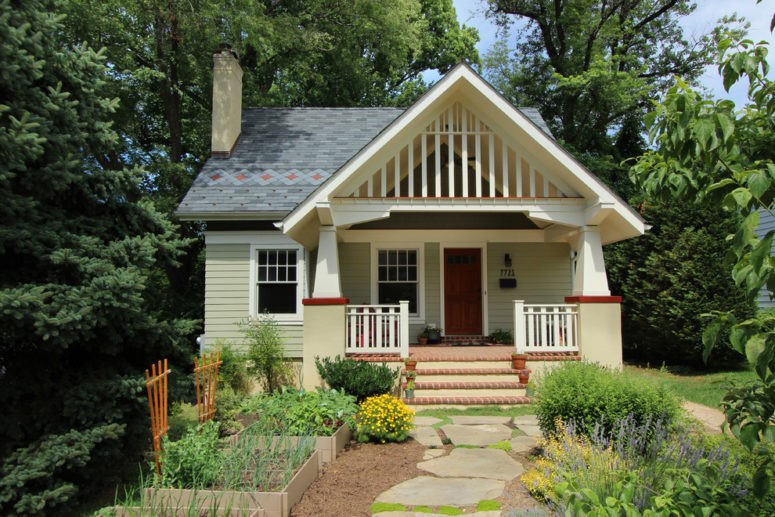
Box Gable Roof: A box gable has two sloping sides that meet together at a point.
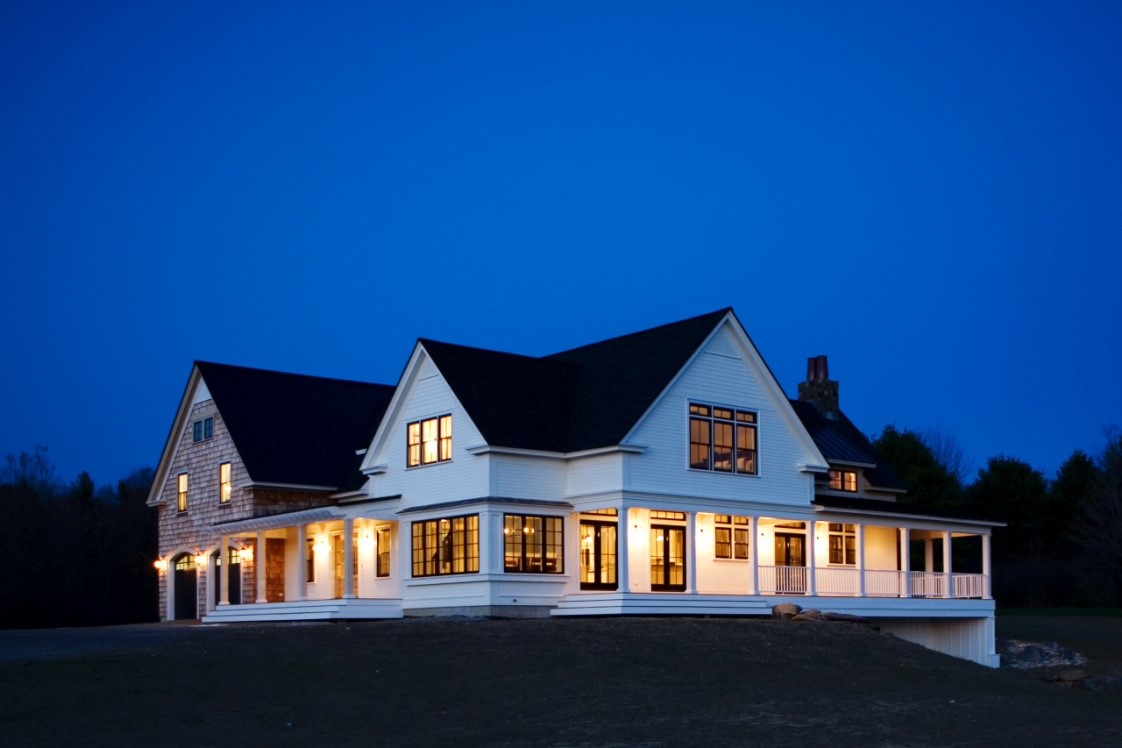
Cross Gable Roof: This is a roof with two or more gables that link up at an angle usually perpendicular to each other. A cross gable roof gives your house a more complex design and layout. Such homes may have an attached garage, a large porch area, and separate wings. They are common with larger homes.
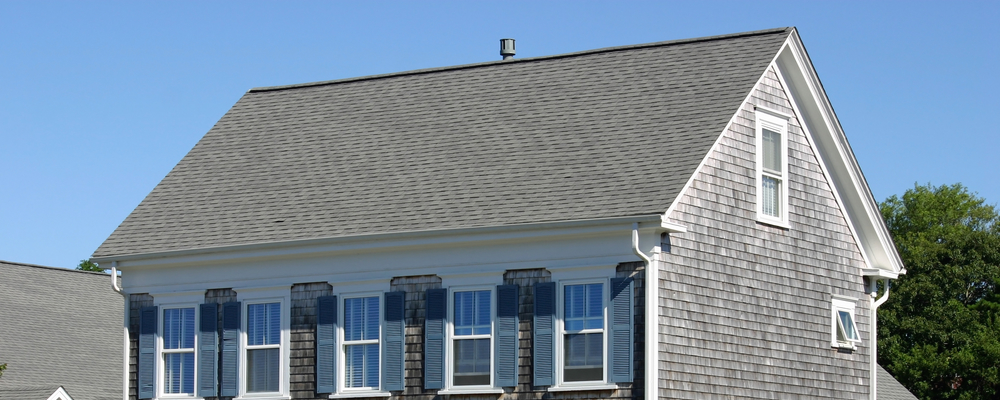
Gable Roof With A Shed: This is a small box gable extension and an additional shed for more space.
9 – Rake
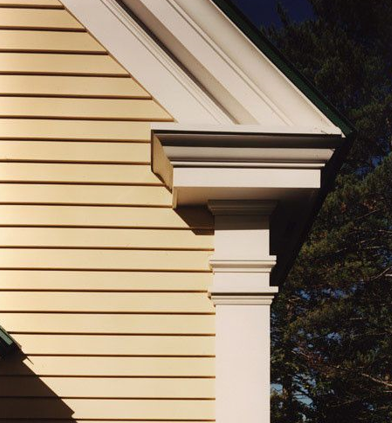
The edges of the triangular section of a gable are called the rake. It can either be flat without overhang or provides an overhang like an eave. The overhang can be left open or covered with a soffit. There are three types of rakes:
• Overhanging with exposed rafters
• Overhanging and boxed with soffit
• Extended rake
The purpose of the rake is to cover exposed edges and the gable ends to provide a neat appearance. It is available in different materials such as pinewood, cedar, concrete board, and PVC board. You can choose the material that complements your roof. The rake can also be painted in different colors.
10 – Siding
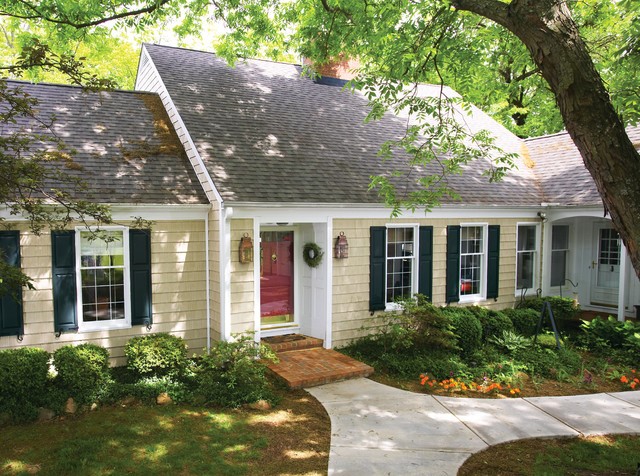
Siding is also known as wall cladding. It is a material used to protect a building against unfavorable weather elements. It keeps the temperature of your house regulated. Siding keeps molds and insects at bay. Much like an insulator, siding shields your home against snow, hail, rain, heat, and strong winds. There are abundant options of siding material. Let’s discuss a few types of siding.
Wood Siding: Wood is the most common siding material used. It is available in varied texture, style, quality, and finish. Wood siding is very affordable and readily available. The downside is its short lifespan; wood siding is prone to mold and rot.
Metal Siding: Siding made of metals such as aluminum and steel are a modern alternative to wooden siding. Aluminum siding was the first metal siding available in the market. Today, several homeowners install metal siding. The advantages are long-lasting and give homes a contemporary look. The downside is that metal siding can be noisy during rain/hail storms and can be easily dented.
Fiber Cement Siding: This is the most recent type of siding developed. Fiber cement siding is highly durable, low-maintenance, and environment friendly as it is made of recyclable material. It can be cut and installed similar to wood siding. However, it requires less time and labor as it comes primed and pre-finished. Fiber cement siding is free from insect and rot damage. Also, this siding requires negligible maintenance. It is expensive but absolutely a great investment.
Vinyl Siding: If you are looking for a budget-friendly, low-maintenance, and highly durable siding, vinyl is the answer. It comes in plenty of styles, textures, and colors. Vinyl siding is low-cost and doesn’t require painting as it is already colored. It is weather and rot-resistant. However, it is prone to cracking in colder temperatures.
11 – Starter Strip Shingles
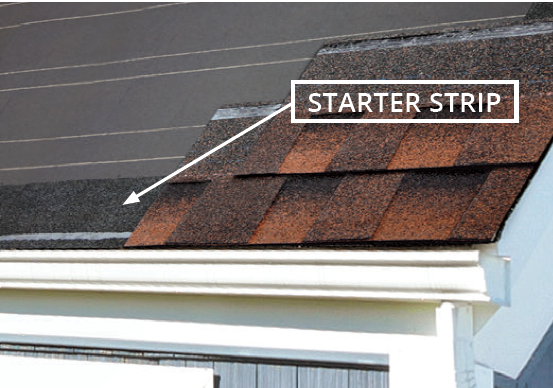
Starter strips or starter shingles are installed on eaves and rakes of the roof. Starter shingles are the initial sheets installed on the roof to cover and protect from water and wind damage. They are followed by the final shingles. Any color of starter strip can be used as it won’t be visible. It is designed to provide support for the weight of the actual roofing materials. Installation is easy – it is nailed to the roof.
12 – Shutters
A window shutter is a window covering that is attached on both sides. Window shutters are not only aesthetically pleasing but also functional. They provide privacy, protection, decoration, and ventilation to a house. Shutters make a home look beautiful and welcoming. There are many reasons to install shutters, but the main purpose is to control the amount of light entering a room and protect from unfavorable weather conditions like wind, dust, rain, and snow.
Here are a few different types of window shutters:
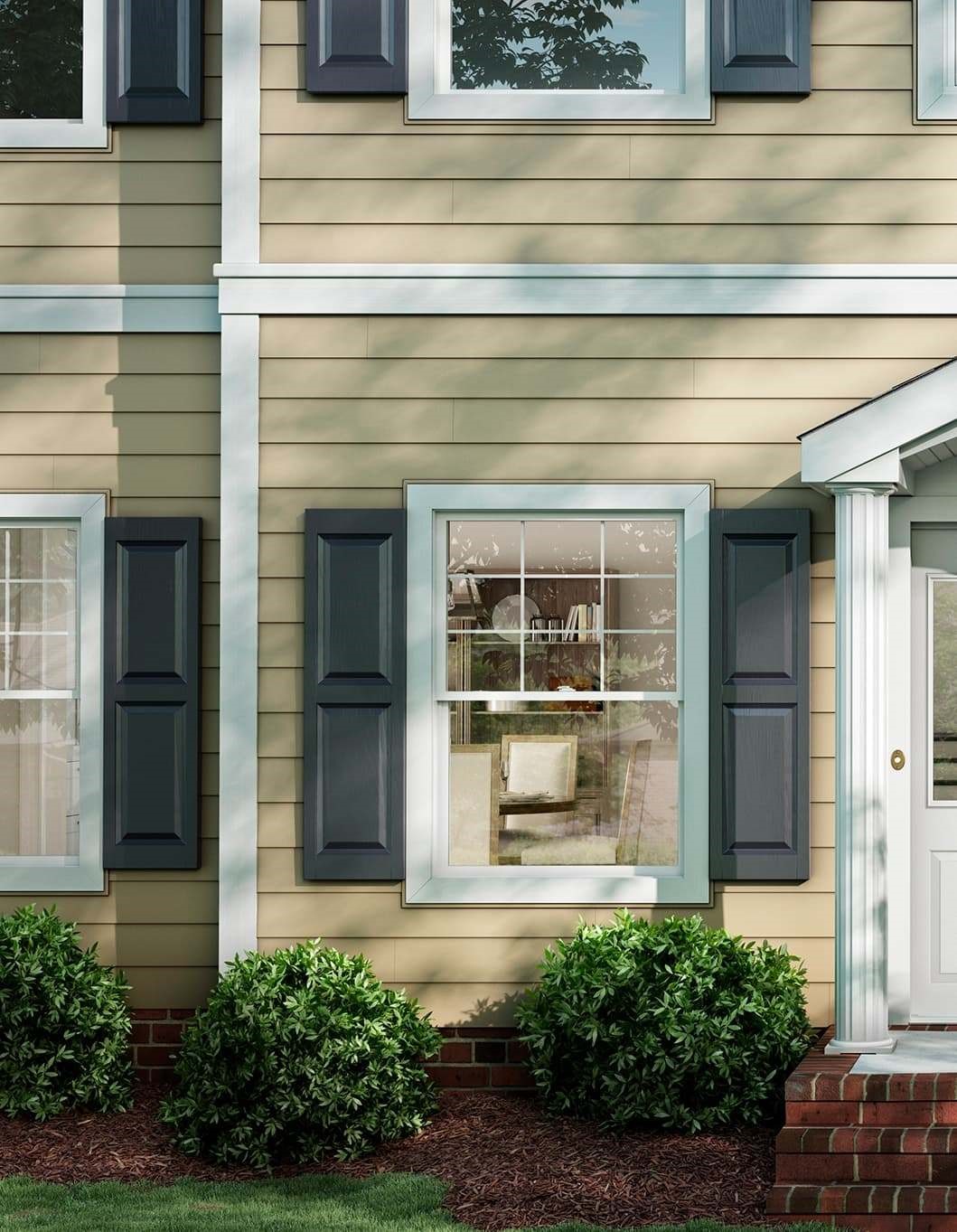
Raised Panel: These shutters look like doors or cabinets with one or two raised panels. They are low-profile shutters that blend well with almost every house style.
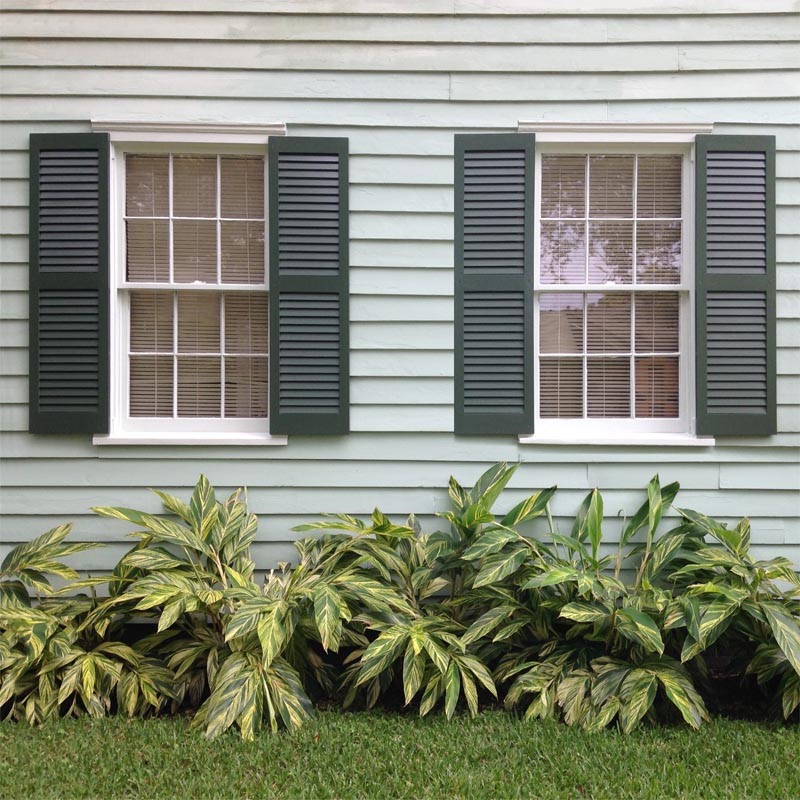
Louvered Shutters: They look like a door but have angled slats that allow light and air to pass through. Louvered shutters blend well with classical and elegant homes.
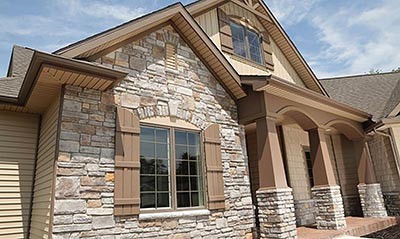
Board And Batten (Bnb): These shutters look historic and rustic. Their construction is simple and old world. They are made by connecting two to three boards with a thin horizontal cross panel.
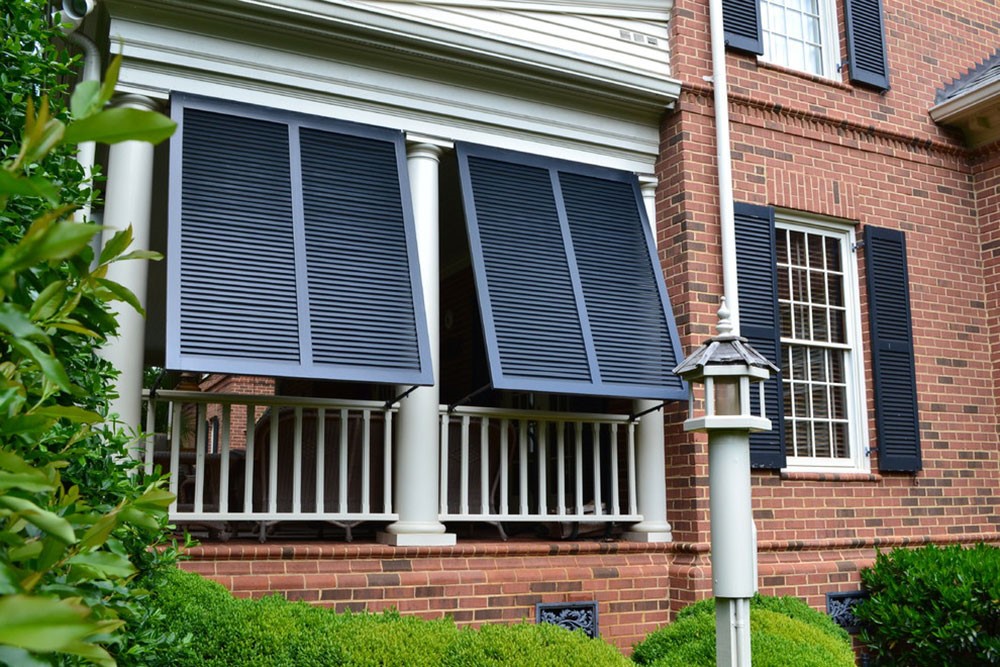
Bahama or Bermuda Shutters: These shutters are similar in appearance to louvered shutters but are fixed at the window top instead of the sides. Bahama shutters allow a gentle passage of air and light. Typically found in tropical regions, Bahama shutters also protect from storms.
13 – Soffit
A soffit is attached to overhangs to provide cover under roof extensions. It is used to conceal a porch ceiling, give overhangs a box look, shield a rafter, and block gaps between walls and roofs. They are generally vented to allow air to pass through. Soffits are made of materials such as wood, vinyl, UPVC, and aluminum. They keep water, insects, and animals from entering the roof spaces.
14 – Window Head Flashing
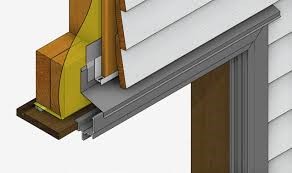
Window head flashing is a material extended by a few centimeters to prevent water from entering windows, doors, electrical lines, and pipe openings. It is a continuous piece of wood or other material installed to provide protection. Window head flashings can be kept exposed or covered.
15 – Window And Door Trim
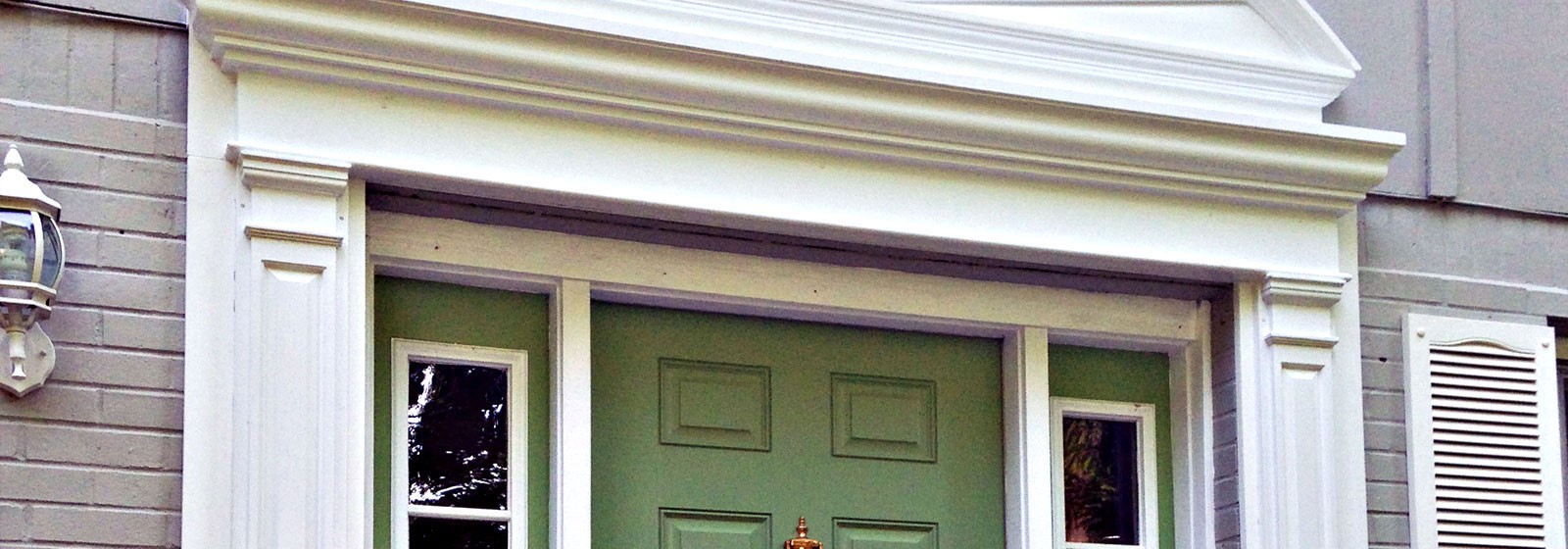
Trim is the casing around a window or door which provides a finished look. It can be decorative as well as functional. Trim is used to cover or hide gaps between the wall and window or door frames. Trim is usually painted a color that compliments the paint of the existing doors and windows. It comes in different materials such as wood, aluminum, and vinyl.
The Bottom Line
Hopefully this discussion of building and architectural terms will help you understand terminology you might have heard before but weren’t necessarily familiar with. You can appear confident when discussing exterior home details with your contractor. Having knowledge of these materials and their purpose will help you make smart decisions. Visit Dzinly.com to explore various design elements and how they will look on your home. You will see actual design details on your own house and can change them up as you like. With the assistance of Dzinly.com designers, you can do a virtual transformation of your home right before your eyes. Get started!
Discover more tags
Popular Posts
View All-

Emerging Trends in Home Construction and Renovation
Image source In the dynamic world of home construction and renovation, staying updated with the latest trends is essential for homeowners, builders, and designers. As we move deeper into 2024, several innovative trends are emerging, driven by technological advancements, sustainability concerns, and evolving aesthetic preferences. This blog will explore these trends, providing insights into what’s […]
-
Best Practices for Client Communication and Project Management
Image Source For design and construction, effective client communication and project management are key pillars that can make or break a successful project. From understanding client needs to delivering a finished product, every step requires clear communication and efficient management. Here are some best practices to ensure a smooth and successful journey from project initiation […]
-
Why Isn’t Your Listing Selling? Actionable Steps for Real Estate Agents
Selling a home should be a smooth process, but sometimes listings sit on the market longer than expected. If a property isn’t generating interest or receiving offers, identifying the root cause is crucial. Here are common reasons why homes struggle to sell and actionable steps real estate agents can take to turn things around. Overpricing […]
-
The Impact of Weather and Climate on Building Projects: What You Need to Know & How to Manage It
When it comes to building projects, weather and climate are often overlooked factors that can significantly impact everything from timelines to budgets. Whether you’re constructing a new home, renovating a commercial property, or working on any kind of building project, understanding how the elements affect your plans is crucial for a successful outcome. In this blog, we’ll explore how weather and climate influence construction and offer practical solutions to manage these challenges.